Donations to colleges and universities remain flat for 2019-2020 academic year
Even amid the overall lack of increase in donations, Penn received several large donations during the previous academic year.
In response to the financial downturn brought on by the COVID-19 pandemic, the presidents of four other Ivy League schools have taken pay cuts of 20% or more for this academic year.
Some students who submitted aid re-evaluation forms did not receive their re-evaluated package before the fall tuition bill's Aug. 30 deadline, and consequently could not pay for the semester on time.
This year's endowment had a return rate — the percent of growth from investing the endowment funds — of just 3.4%, continuing the downward trend in return rates since fiscal year 2017 which recorded a 14.3% return rate.
In response to the financial downturn brought on by the COVID-19 pandemic, the presidents of four other Ivy League schools have taken pay cuts of 20% or more for this academic year.
Some students who submitted aid re-evaluation forms did not receive their re-evaluated package before the fall tuition bill's Aug. 30 deadline, and consequently could not pay for the semester on time.
After switching to a completely remote semester, Penn President Amy Gutmann and Provost Wendell Pritchett froze tuition – keeping it at the same value as the previous year – and decreased the fall general fee by 10%.
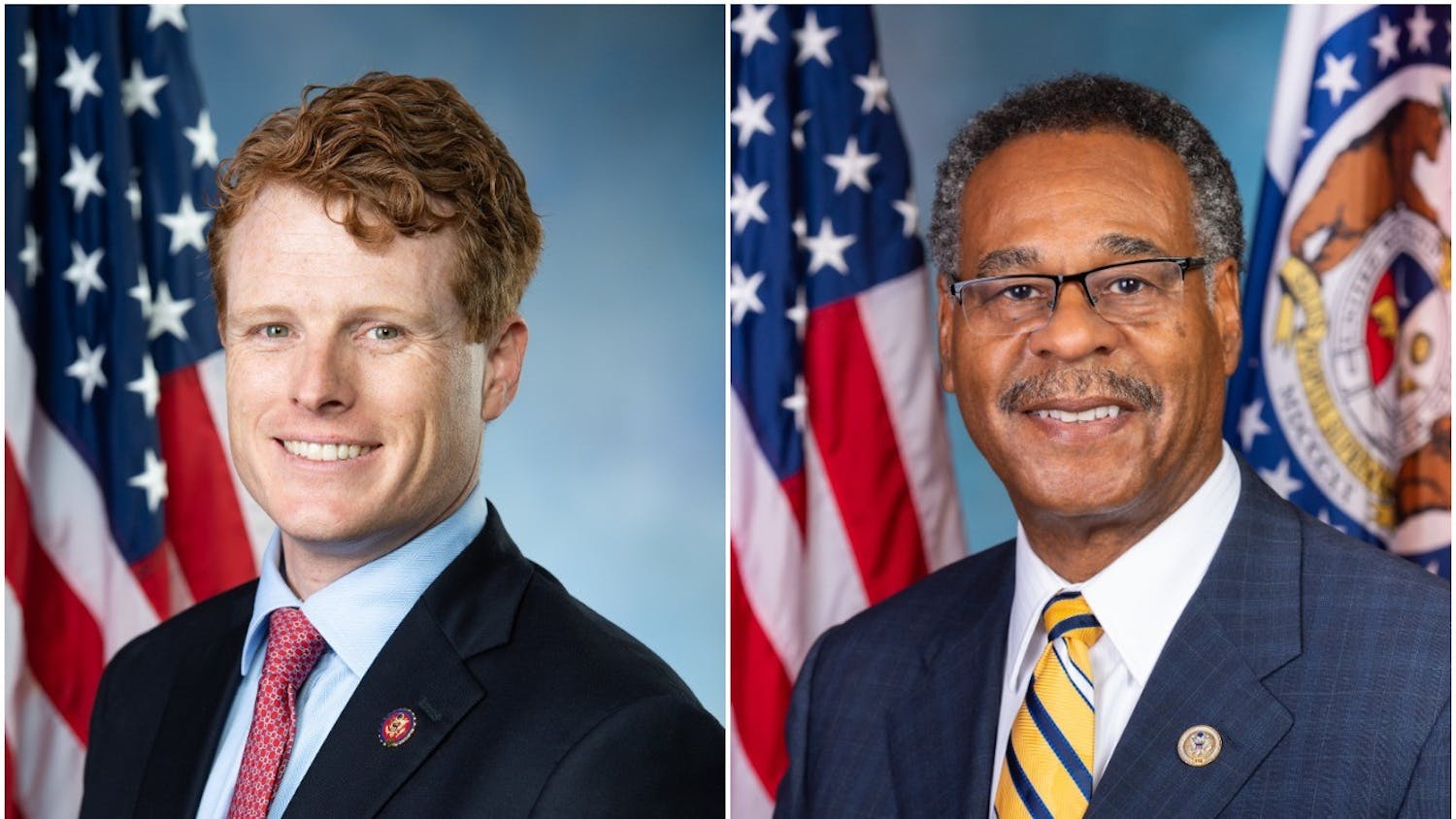
Rep. Joseph Kennedy III (D-Mass.) and Rep. Emanuel Cleaver (D-Mo.) sent a letter to Penn President Amy Gutmann asking for details on what percentage of Penn’s endowment assets are managed by diverse-owned firms.
Penn is facing a net difference in budget of $164 million due to the COVID-19 pandemic largely from forgone revenues including tuition, housing, and others. The University, more tuition-dependent than its peer institutions, will raise its total cost of attendance for the upcoming academic year — but also expects to provide more student financial aid.
What exactly are PILOTs, why doesn’t Penn pay them, and where does that money go instead? The Daily Pennsylvanian has answers to all of those questions and more — here is everything you need to know about the relationship between Penn and PILOTs.
Police Free Penn seeks to reimagine police-free strategies to ensure community safety and well-being, and demands that the University reinvest in community-controlled funds, particularly in West Philadelphia.
The store will feature a beer and wine shop, indoor and outdoor seating, and a Starbucks.
Here’s how all eight Ivy League universities are using — or not using — their CARES funding.
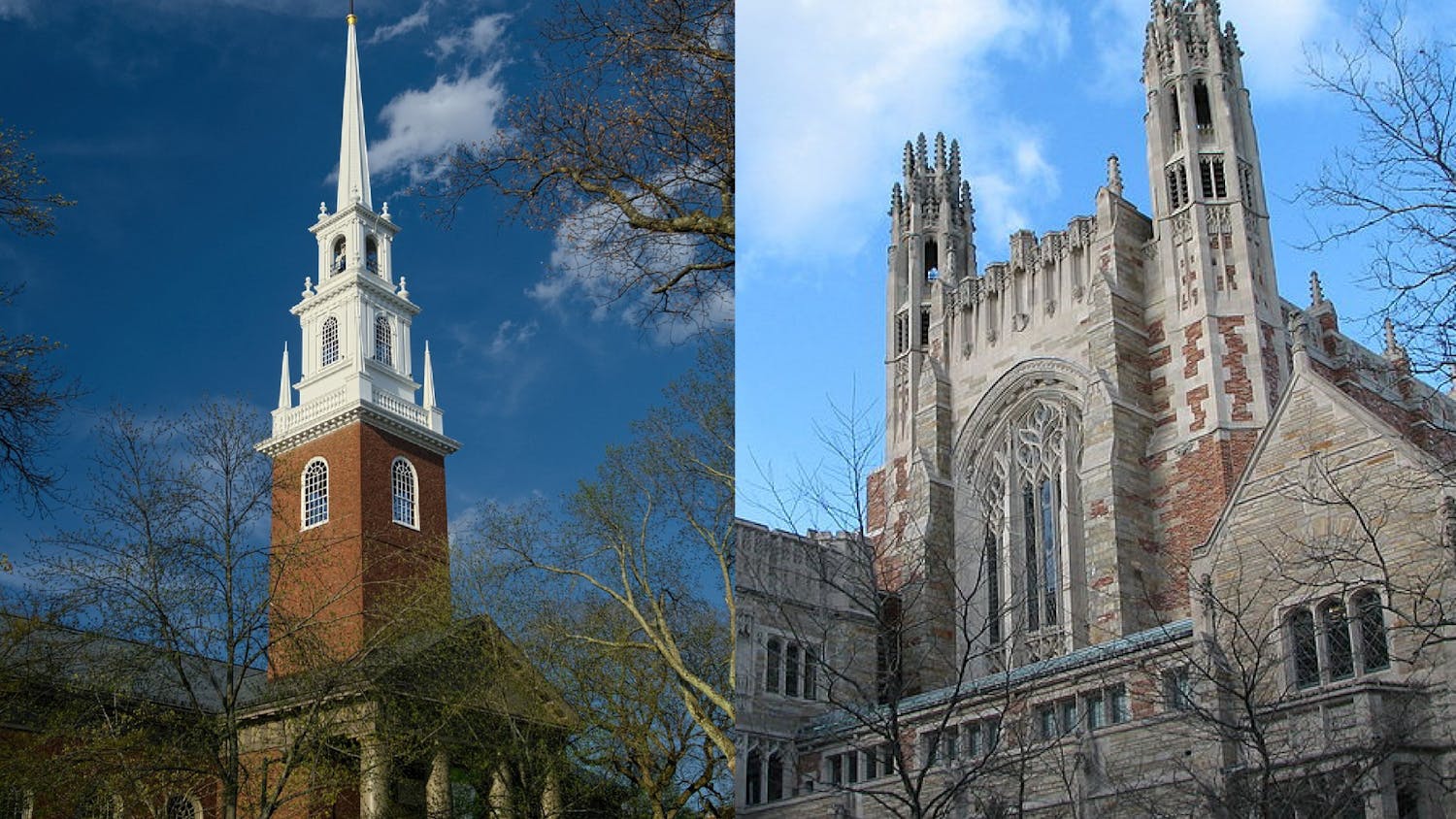
The Department of Education has sent letters to the two Ivy League universities for failing to report foreign donations of more than $250,000, as required by Section 117 of the Higher Education Act.
Penn raised 6 times more than its most the second-highest fundraiser, Thomas Jefferson University at approximately $93 million.
The program, known as Financial Wellness at Penn, is part of the University's larger wellness initiatives and will feature a series of monthly events, including in-person workshops and online modules, focused on preparing students to make better financial decisions after Penn.
The office will soon shift to distributing reimbursements electronically and accepting deposits through a Smart Safe in the lobby.
The Penn Fund, which is separate from the University's endowment, receives donations from undergraduate alumni and current parents that are used to enhance the undergraduate experience.
The decrease in the endowment return rate compared to last year's marks a trend across Penn's peer institutions.
Undergraduate student tuition will increase from $49,220 to $51,156 for the next academic year.