Penn professor uses AI to develop master’s level course curriculum
Fernández-Villaverde used Claude, developed by Anthropic, to create and engage with an individualized curriculum plan that he deemed comparable to one week of a master’s course.
The Futures Fund Partnership for Innovation provides monetary support for projects across human health, sustainable infrastructure, and physical intelligence research frontiers.
According to Lin, who studied finance and computer science with a minor in mathematics, Penn’s Jerome Fisher Program in Management and Technology helped shape her approach to building Copperlane.
Engineering junior Jonathan Wallace created and launched Engram, an AI assistant that builds a persistent model of a user’s goals, projects, and thinking patterns.
The Futures Fund Partnership for Innovation provides monetary support for projects across human health, sustainable infrastructure, and physical intelligence research frontiers.
According to Lin, who studied finance and computer science with a minor in mathematics, Penn’s Jerome Fisher Program in Management and Technology helped shape her approach to building Copperlane.
The lab explores how large groups of artificial intelligence agents — systems that act on behalf of users — can operate together without causing harm in a high-stakes environment.
The Daily Pennsylvanian spoke with University faculty and experts who voiced concerns about current AI regulatory frameworks and offered potential solutions.
Beeman has held the role in an interim capacity since August 2025.
The platform analyzes articles from multiple news publishers daily and categorizes them based on their political affiliation.
The HoloRadar system uses AI to process radio signals and create three-dimensional images that help robots “see around corners.”
The funding will cover a two-year project focused on United States-China nuclear competition and bringing the countries to a consensus about the use of artificial intelligence.
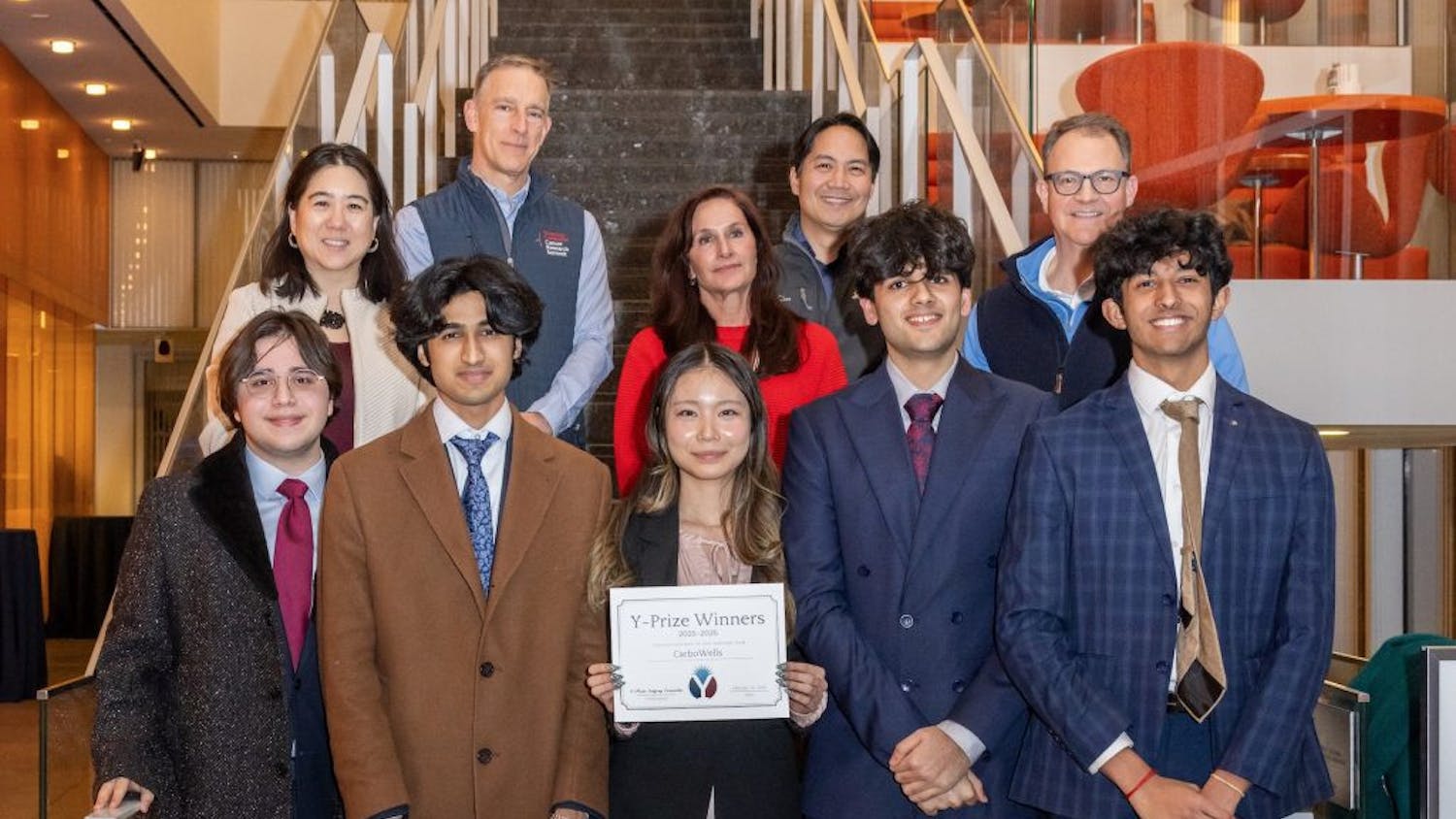
The Jan. 30 pitch competition featured proposals from 11 final teams, before a panel of eight Penn-affiliated judges selected four winning ventures.
The drive — which ran daily from 9 a.m. to midnight — featured drop-off bins in the lobby of Fisher Fine Arts Library, where the general public could donate old and unused electronic devices.
The Feb. 26 discussion was held at Steinberg-Dietrich Hall and highlighted AI-related energy and water consumption issues.
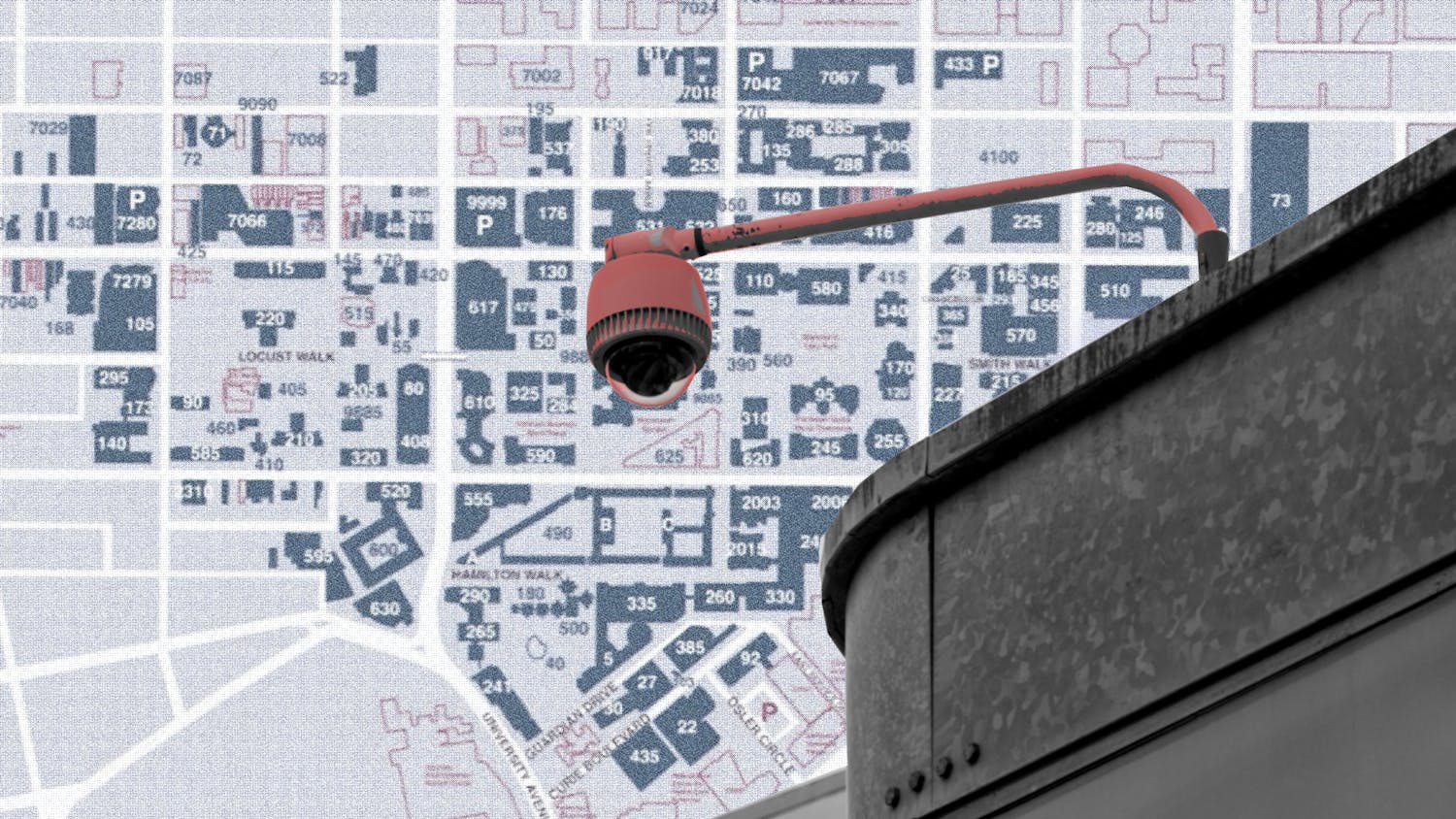
As of January, Penn reports operating more than 145 pan-tilt-zoom cameras and over 1,200 fixed cameras across campus and within its patrol zone.
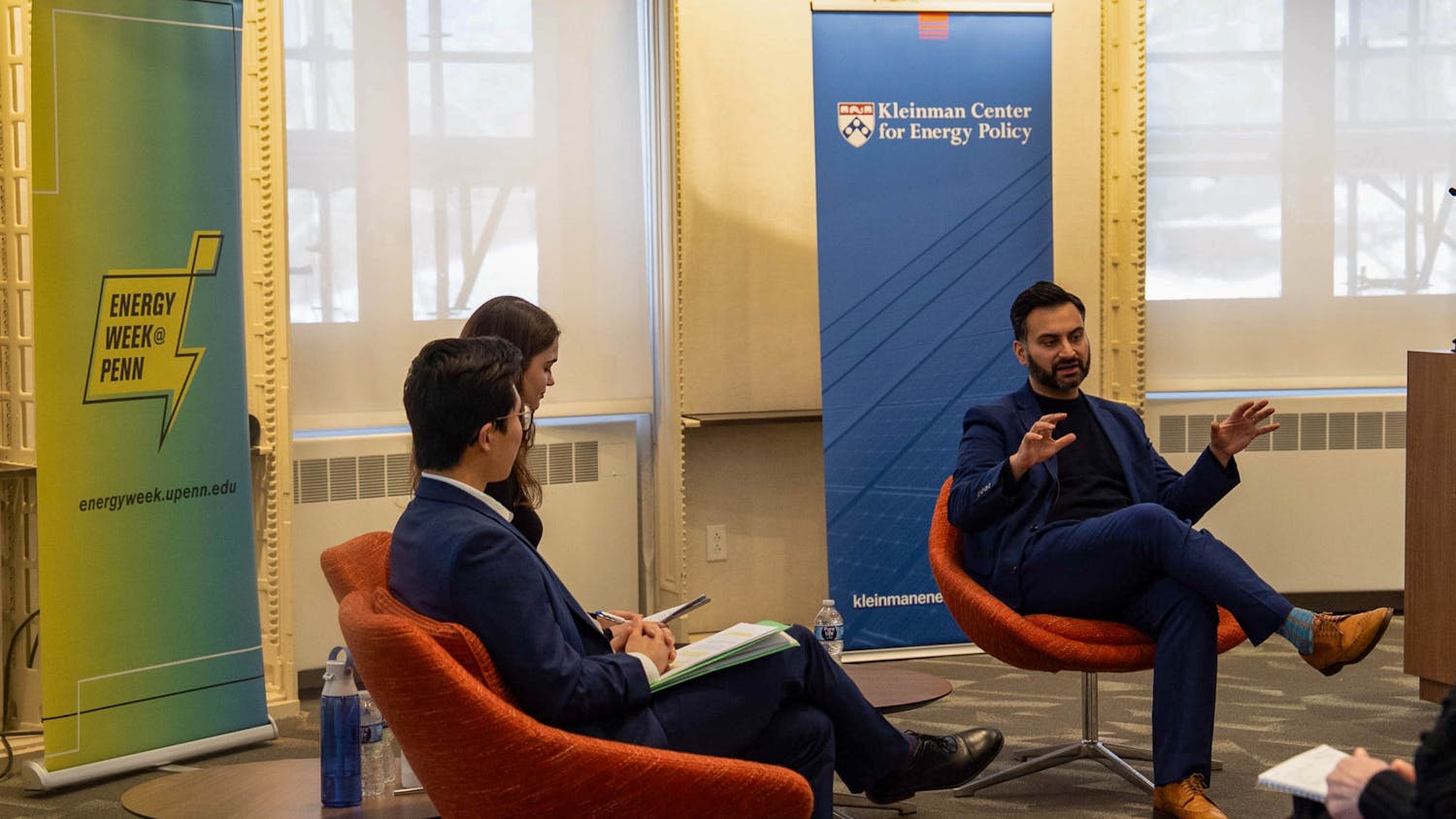
The Feb. 24 event, titled “Lessons from the White House: Climate, AI, and the Future,” featured a conversation with School of Engineering and Applied Science professor Ali Zaidi.
The Y-Prize competition — now in its thirteenth year — challenges student-led teams to develop a commercial use for an emerging technology developed at Penn.
This year, the week’s key focus is on how artificial intelligence and the growing demand for data centers affect the energy landscape.
The School of Nursing received $17.9 million in NIH awards in 2025, reclaiming the top spot for the first time since fiscal year 2019.