


While friends and families of graduates weren't allowed into Franklin Field as spectators this year, here's what the unusual commencement honoring the Class of 2021 looked like.
While friends and families of graduates weren't allowed into Franklin Field as spectators this year, here's what the unusual commencement honoring the Class of 2021 looked like.
Director of Campus Health Ashlee Halbritter said the continued low case count was good news and urged students to continue following public health guidelines as the end of the semester nears.
City Health Commissioner Thomas Farley said at a press conference the the rate of new COVID-19 cases decreased in the city last week, allowing for the loosening of restrictions.
From May 2 through May 8, only four undergraduate students tested positive, less than 0.10% of students who were tested for COVID-19.
The Class of 2021's final year at Penn was marked by pandemic-induced modifications to academics and campus life, featuring online classes, COVID-19 testing, and a largely shuttered campus.
The Class of 2021's junior year started off like any other, but was upended as the COVID-19 pandemic swept the globe, forcing students to cut their spring semester on campus short and transition to online learning.

The Class of 2021's junior year started off like any other, but was upended as the COVID-19 pandemic swept the globe, forcing students to cut their spring semester on campus short and transition to online learning.

Director of Campus Health Ashlee Halbritter said the continued low case count was good news and urged students to continue following public health guidelines as the end of the semester nears.
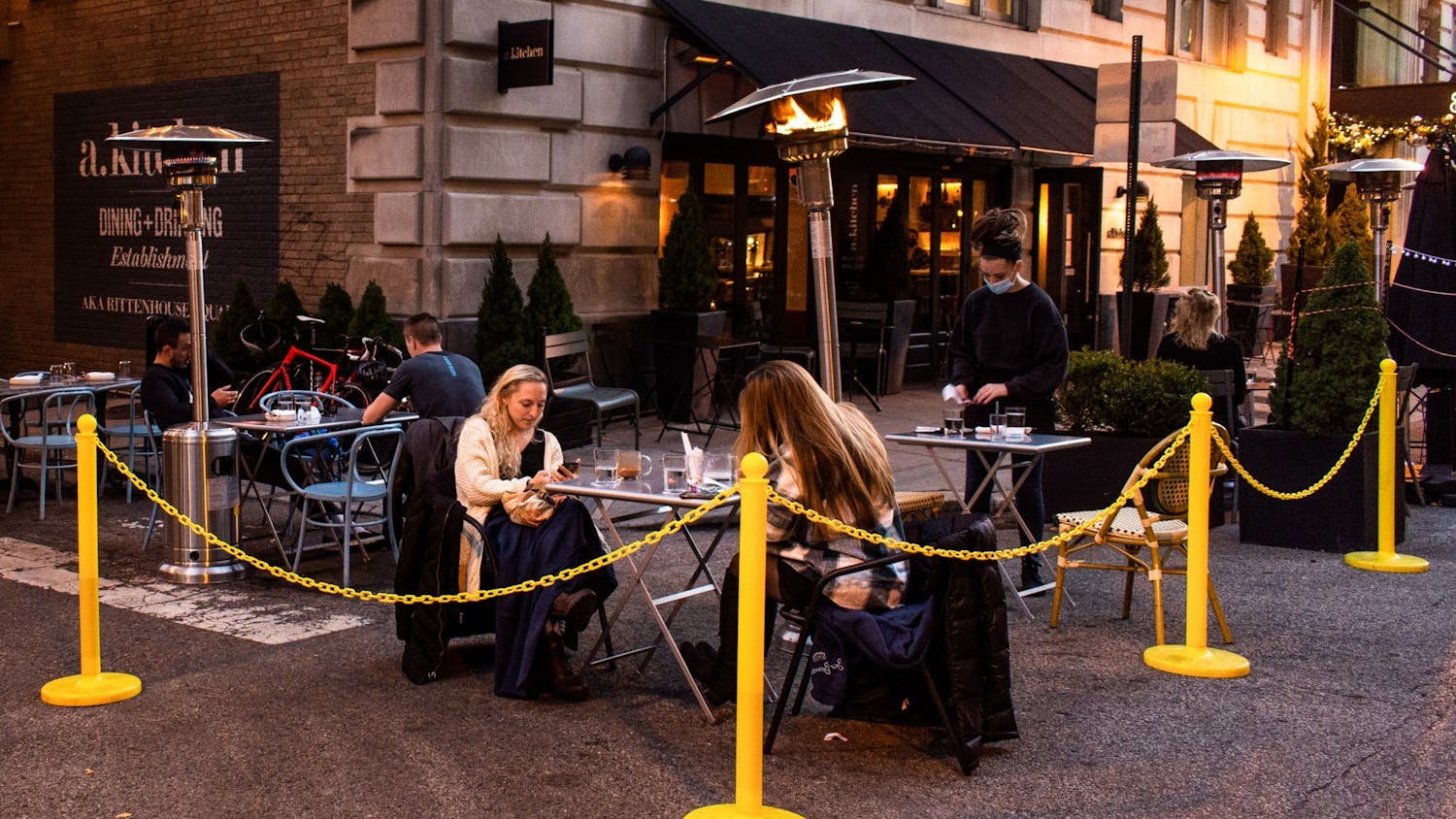
City Health Commissioner Thomas Farley said at a press conference the the rate of new COVID-19 cases decreased in the city last week, allowing for the loosening of restrictions.
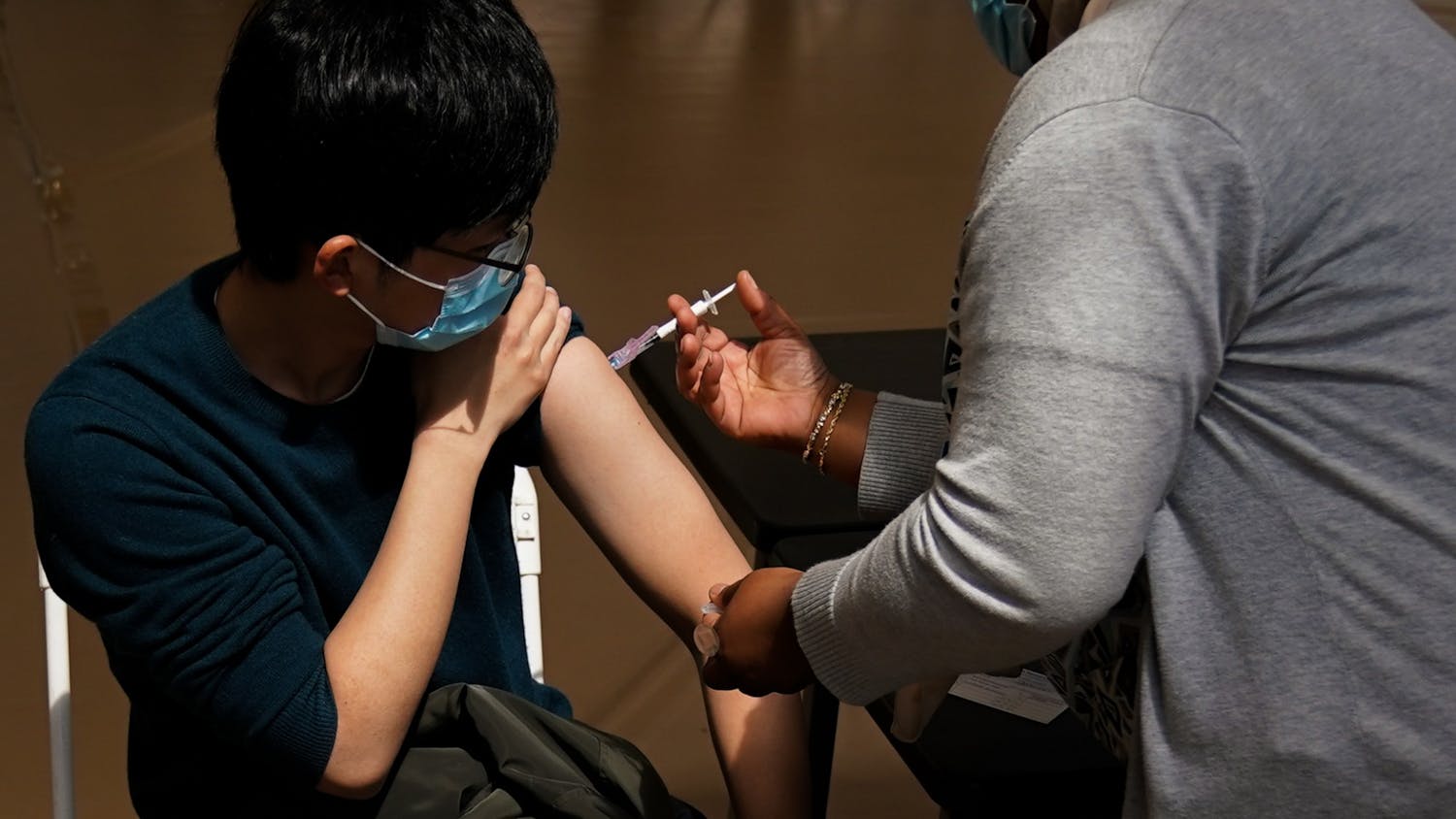
The University's on-campus clinic will also be accepting walk-ins in an effort to make vaccinations as accessible as possible, Chief Wellness Officer Benoit Dubé said.

With the Johnson & Johnson vaccine approved again, Philadelphia and the state of Pennsylvania plan to focus on reaching vulnerable populations who have not yet been vaccinated.

Changes in Hill House and 1920 Commons include the addition of customizable hot food stations and the reopening of salad, fruit, and pasta bars.

Philadelphia Health Commissioner Thomas Farley said the city is changing the restrictions to help restaurant owners remain in business.

Only 15% of Philadelphia’s Black residents and 23% of Philadelphia’s Hispanic residents between the ages of 20 and 44 have received at least one vaccine dose.
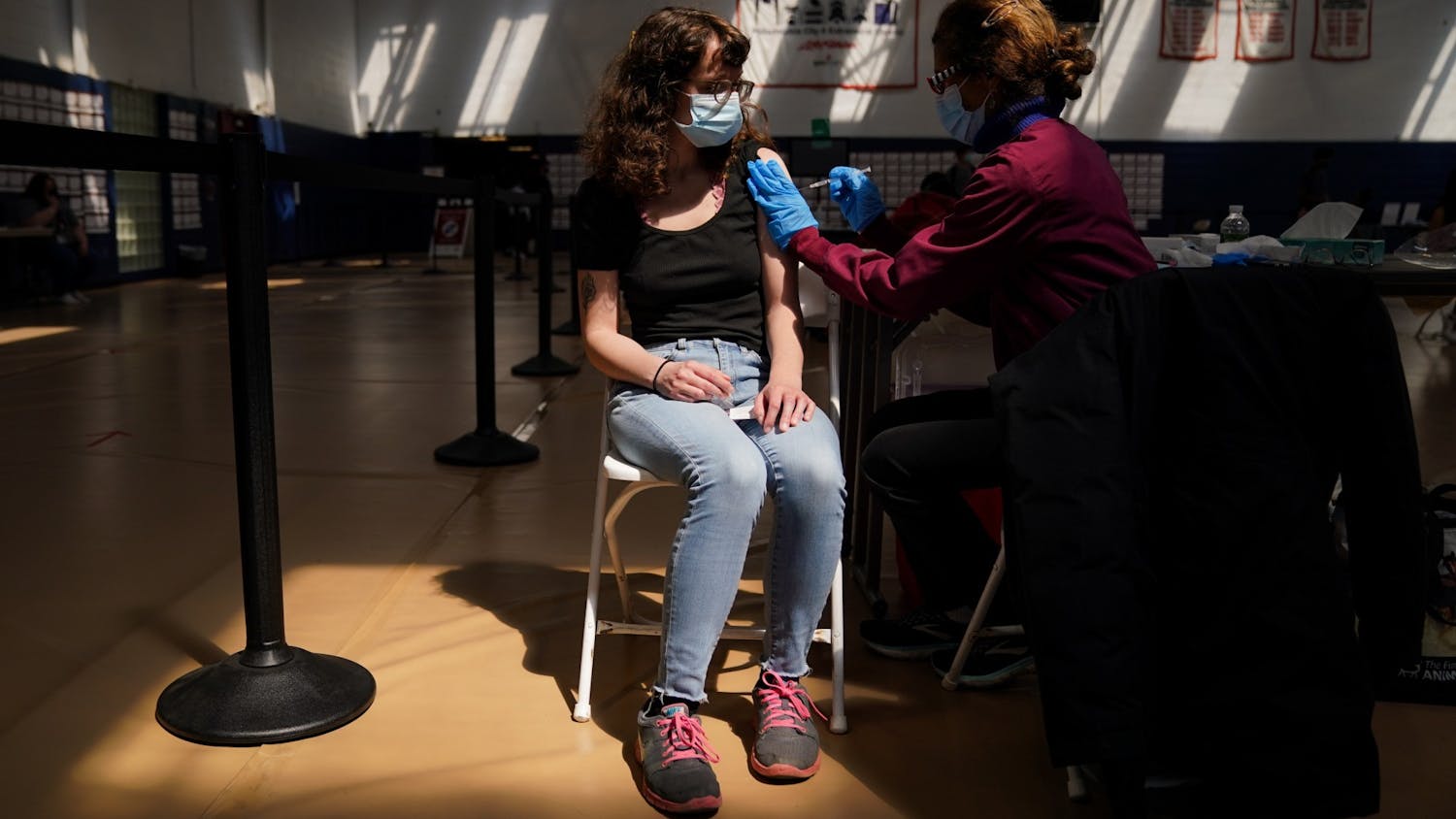
The University expects that masks will still be required in many locations on campus and COVID-19 testing may still be mandatory.

A recently released Penn Medicine study by Chair of the Department of Microbiology Frederic Bushman and his team found that 35% of the sample COVID-19 cases in Philadelphia resemble variants of the virus.

Many students — particularly those living in on-campus housing — said they were especially happy that Penn was able to provide the Pfizer COVID-19 vaccine on Wednesday.

Students who have been in West & Down and witnessed long lines outside the club expressed doubts about its enforcement of mask-wearing and other COVID-19 safety protocols.

Chief Wellness Officer Benoit Dubé said the low positivity rate is a testament to continued adherence to public health guidelines, and he urged students to continue to wear masks, socially distance, and wash their hands.

The School of Veterinary Medicine found that specially trained dogs can sniff out COVID-19 with 96% accuracy.

Penn community members who are vaccinated on Wednesday will receive the second dose of the vaccine on May 12, a victory for students in on-campus housing who are required to move out by May 13.

Ghose’s work will focus on strategies used by sex workers in India to navigate the COVID-19 pandemic, and how these strategies were shaped by the HIV epidemic.

The Penn Institute of Immunology found that people who had a prior COVID-19 infection had a significant antibody response after the first mRNA vaccine dose, but minimal increase in immunity after the second dose.
 Solutions by The State News

