

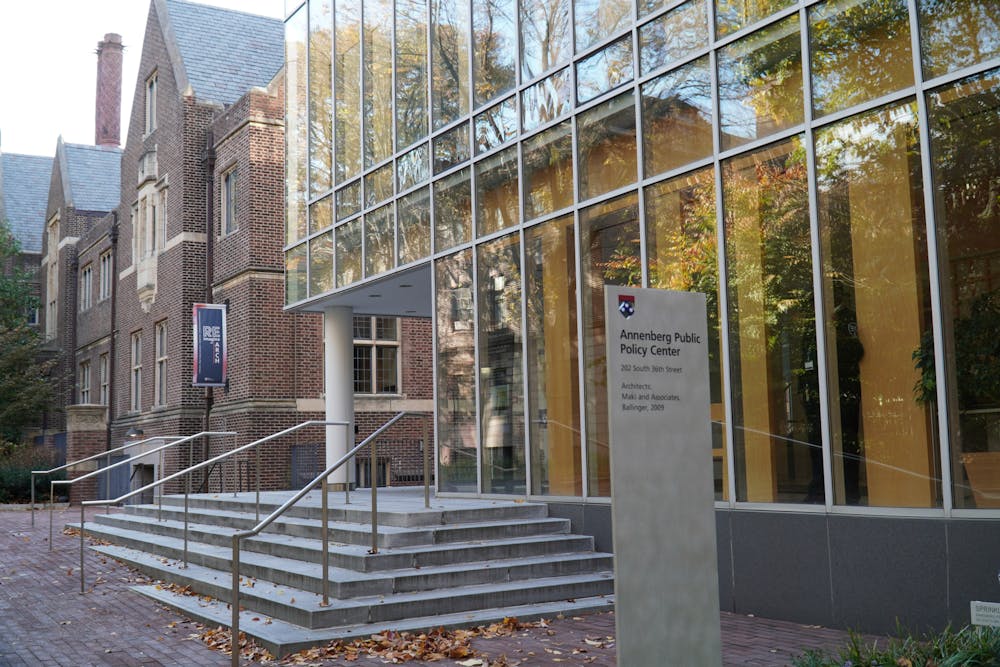
New research from the Annenberg Public Policy Center found that a majority of the public supports public school-mandated vaccine requirements, a significant increase since 2023.
The study examined public opinion on the measles, mumps, and rubella vaccine. Using a nationally representative panel of 1,653 United States adults, the research shows that 70% of parents support requiring the MMR vaccine for children to attend public school, rather than leaving the decision to parental choice.
The findings challenge the Trump administration’s Make America Healthy Again Commission report, which asserted that many parents are concerned about how vaccines are used and "their possible role in the growing childhood chronic disease crisis.”
Approximately 18% of surveyed participants reported that their view is closer to the statement “parents should be able to decide whether or not to vaccinate their children who attend public school even if their decision not to vaccinate creates health risks for other children.”
Compared to the 2023 survey, this reflects a significant increase in support for vaccine mandates. In that survey, 63% of adults supported childhood MMR vaccine mandates for school. Another APPC survey conducted in January of this year found that over 7 in 10 U.S. adults support a policy mandating parents to vaccinate their children against MMR.
The APPC has tracked the American public’s knowledge and beliefs about vaccination, COVID-19, influenza, RSV, and other public health issues through this survey panel for the past four years. The center also administers the Annenberg Civic Knowledge Survey, which assesses the American public’s knowledge of constitutional rights and government.
Other recent APPC studies have targeted health risks during pregnancy, AI and health information, and high blood pressure.
The MMR vaccine is typically given to children in two doses, one between 12 and 15 months of age and the second between ages 4 and 6.
RELATED:
Public confidence in U.S. health agencies has decreased, Annenberg Public Policy Center study finds
If both doses are administered correctly, the vaccine is 97% effective against measles and rubella and 86% effective against mumps, according to the CDC, with rare instances of problematic side effects.


