From graduate student workers to research associates and postdoctoral scholars, 2025 marked an unprecedented surge in labor organizing at Penn.
The past 12 months saw the formation of a new union on campus, alongside a strike authorization vote amid ongoing negotiations. The Daily Pennsylvanian compiled a timeline of unionization efforts on and around campus over the last year.
Jan. 28 — Graduate Employees Together — University of Pennsylvania, a group of graduate student workers, hosted a rally to begin negotiations with Penn. Nearly 200 people gathered in front of College Hall to support the group seeking a contract on working conditions, compensation, and benefits.
Jan. 30 — Over 100 Penn community members rallied on campus to announce that Penn research associates and postdocs reached majority support to unionize.
Feb. 17 — During negotiations with GET-UP, Penn struck out the entirety of the union’s proposal against discrimination and harassment, according to the union. The University’s counterproposal replaced GET-UP’s proposed preamble and provisions with a statement that acknowledged Penn’s dedication “to fostering a diverse and inclusive environment.”
March 20 — Six campus unions and labor organizations, including the Penn chapter of the American Association of University Professors, organized a rally in protest of intensifying federal action against institutions of higher education.
April 15 — Employees at the former Saxbys location at 40th and Locust streets staged a “march on the boss,” alleging that the store changed its operating hours without proper notice.
April 24 — Penn’s research associates and postdocs filed a petition to form a union with the National Labor Relations Board.
RELATED:
Penn moves to evict World Cafe Live from venue, citing ‘failure’ to adhere to lease agreement
Penn graduate student union overwhelmingly authorizes strike as contract negotiations continue
June 11 — Workers at World Cafe Live, a University City music venue, staged a walkout in protest of their new management.
June 12 — Research associates and postdocs rallied outside of a University Board of Trustees meeting to criticize administrators’ “union-busting” tactics and demand a vote on unionization.
July 2 — Penn Museum Workers United — a chapter of Philly Cultural Workers United — unanimously authorized a strike. Seven days later, the union staged an informational picket to protest low wages and call for major contract improvements.
July 17 — Research Associates and Postdocs United at Penn voted to unionize by an overwhelming majority, making it the sixth union to join Penn’s campus in the last five years.
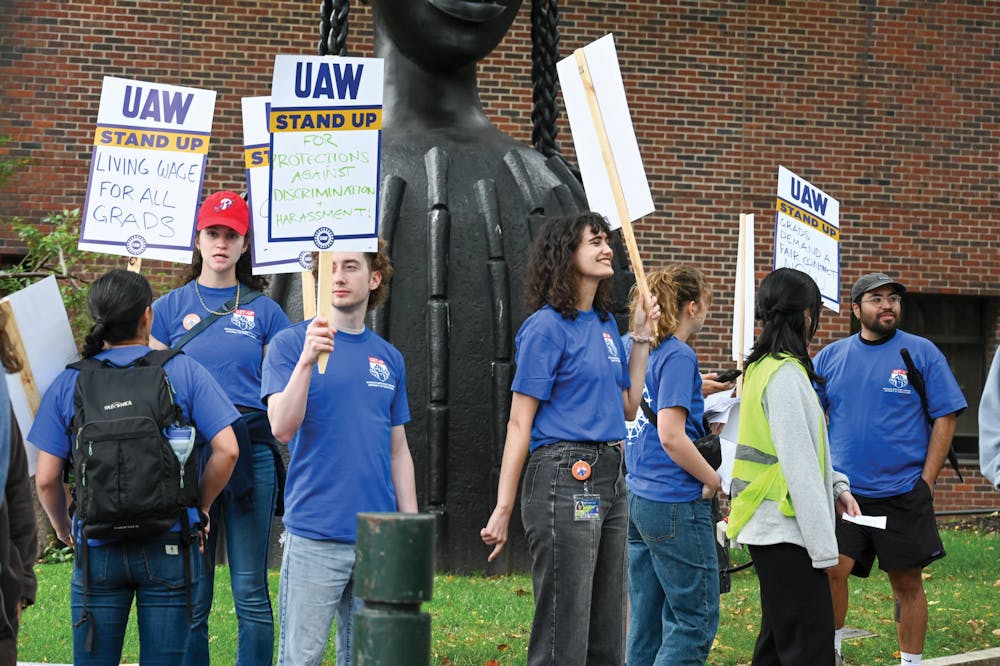
Oct. 8 — Over 500 workers picketed in support of GET-UP’s ongoing negotiations with University administrators. During the demonstration, GET-UP announced that its members began pledging to authorize a strike in the event Penn continued to reject the union’s proposed contract.
Oct. 14 — During a meeting, members of RAPUP’s newly established bargaining committee launched their initial demands in securing a contract with administrators.
Oct. 14 — Almost one year after starting negotiations with Penn, GET-UP reached a tentative agreement on the union’s proposal protecting students from harassment and discrimination.
Oct. 15 — The Coalition of Workers at Penn met to discuss the progress of unionized employees on campus, along with ways to show solidarity with the organizing efforts of other Penn workers.
Oct. 27 — Ahead of a possible strike, the union representing Penn’s security officers organized numerous rallies throughout Philadelphia to call on Allied Universal Security Services — the University’s security contractor — to raise wages.
Nov. 12 — Following the rallies, Penn’s security guard union ratified a new contract to secure expanded protections and increased wages.
Nov. 21 — After a three-day voting period, GET-UP overwhelmingly decided to authorize a strike. Just days before, Penn’s Office of the Provost issued guidance to faculty and workers on a possible work stoppage.
Dec. 9 — United RAs at Penn launched a petition that it said aims to stop the University from eliminating certain graduate resident advisor positions.
RELATED:
Penn moves to evict World Cafe Live from venue, citing ‘failure’ to adhere to lease agreement
Penn graduate student union overwhelmingly authorizes strike as contract negotiations continue
Finn Ryan is the Summer Editor-in-Chief at The Daily Pennsylvanian and can be reached at ryan@thedp.com. At Penn, he studies political science and Russian. Follow him on X @FinnRyan_.