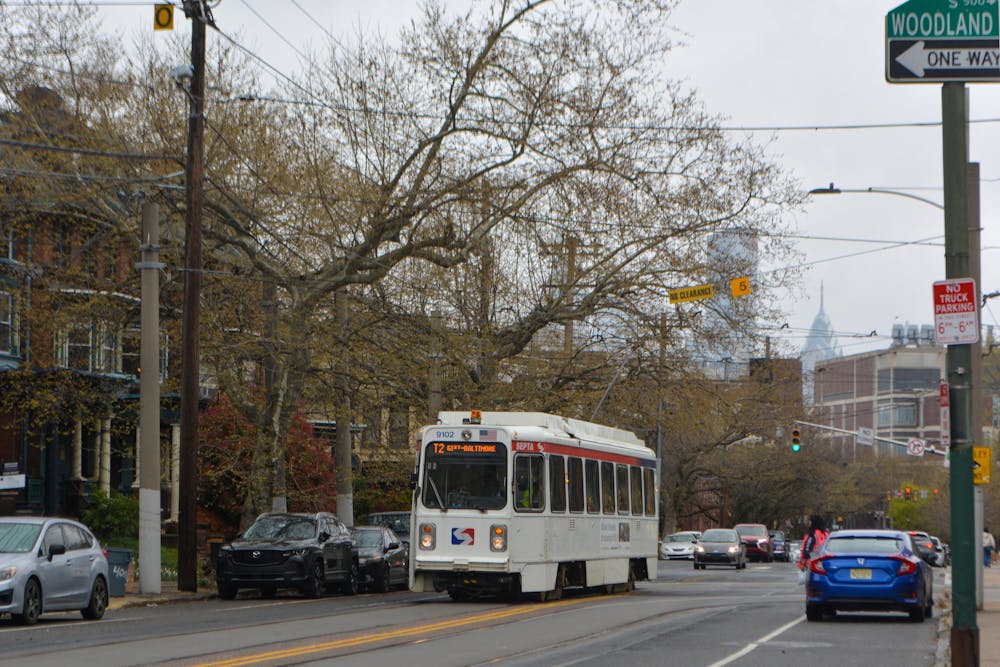
One of my favorite things about Philadelphia is the public transportation. As someone from Phoenix — a city with no subway system, one that’s explicitly designed for cars — the ease and efficiency of SEPTA came as a blessing I didn’t even know I was missing. Trips to the grocery store, venturing into Center City, and even making it to my volunteer commitments at Southwest Leadership Academy Charter School all would not be possible without the efficiency of the trolley.
However, this ease and efficiency has disappeared. The Pennsylvania state budget — originally due by the end of June — has reached an impasse, with State House Democrats and Republicans unable to agree on the numbers. Among other things, this more than two-month delay has severely affected transit. An over $213 million recurring budget deficit for SEPTA has resulted in a 45% reduction in service and an upcoming fare raise averaging 21.5%. With no budget passed to fill the gaps, these changes have already started to take place. Beginning Aug. 24, over 32 bus routes were cut with changes to another 88 routes. On Sept. 1, fares were set to rise — though fare increases were put on hold after a recent judicial ruling — and more changes are scheduled through early 2026.
SEPTA supports over 800,000 daily riders, and although funding cuts to transit will have minimal effects on me as a Penn student, it will meaningfully impact longtime residents of Philadelphia. High school students commuting to school, health care workers, and residents more broadly are bracing for these changes, and it’s already a mess. Many Philadelphia-area high schoolers returned to school on Aug. 25, causing multiple students and teachers who relied on SEPTA to wait over an hour, with some parents even switching their children’s schools due to delayed bus routes and inaccessibility. Private companies are also getting involved — Uber is now offering free rides to senior citizens to meet the increased need for transportation.
Not only do these changes affect workers and students, but they will also ultimately affect businesses and the entire Philadelphia economy. Unreliable public transportation will force more people to get vehicles, and unlike Phoenix, which is built for cars, Philadelphia does not have the infrastructure to support an overflow of drivers.
More traffic, losses in business, and other negative economic outcomes may arise if the SEPTA situation isn’t fixed, and soon. The city is already facing lawsuits regarding the service cuts, and it’s likely that more are lined up as we speak.
As Penn students, we are all members of the Philadelphia community, and it is important to be aware of what’s happening in the city we live in. Longer wait times and raised fares impact us all, and an influx of traffic into University City will be noticeable, especially for pedestrians. I encourage you to continue to use public transportation and break out of the Penn bubble, and also recognize the privilege that comes with living in University City.
Like the majority of Penn students, I am lucky to live within walking distance of my classes, utilize the on-campus gym, and have the convenience to shop at local grocery stores. Before moving off campus, I ate at dining halls and had an even easier time getting what I needed without relying on any method of transportation besides walking. The reality for the majority of Philadelphians is quite different. I hope the city is able to rectify these changes and show up for its citizens, but until then, I will adjust my schedule accordingly and show up a little bit earlier for what used to be a quick ride.
MIA VESELY is a College senior from Phoenix studying philosophy, politics, and economics. Her email is mvesely@sas.upenn.edu.
SEE MORE FROM MIA VESELY: