Penn neurosurgeon awarded $5.4 million by White House to advance brain cancer research
The Cancer Moonshot Scholars program – reignited by the White House last year – supports early-career investigators in cancer research and innovation.
The researchers identified data processing services, information services, publishing, and insurance carriers as industries in which GPTs will have the greatest effect.
Researchers have developed a new flu vaccine that can protect against all 20 known flu subtypes and can potentially protect against new strains in the future.
The events, held from Oct. 17 to Oct. 21, featured alumni and real-world professionals who have experience working in careers centered around international issues.
Since its inception, the Penn Medicine CAREs program has provided more than $880,000 in funding to over 880 service initiatives.
Karen Winey, Penn Engineering professor, has received $2.2 million from the Department of Energy to fund research in synthesizing cleaner and more efficient fuel cell technologies.
The programs — called “Refresh” and “Penn’s Declassified Sex Survival Guide” — have garnered 3,400 participants and 1,500 participants respectively since their inception.
The biotech startup was initially developed by two professors of neurosurgery at the Perelman School of Medicine, D. Kacy Cullen and Douglas Smith.
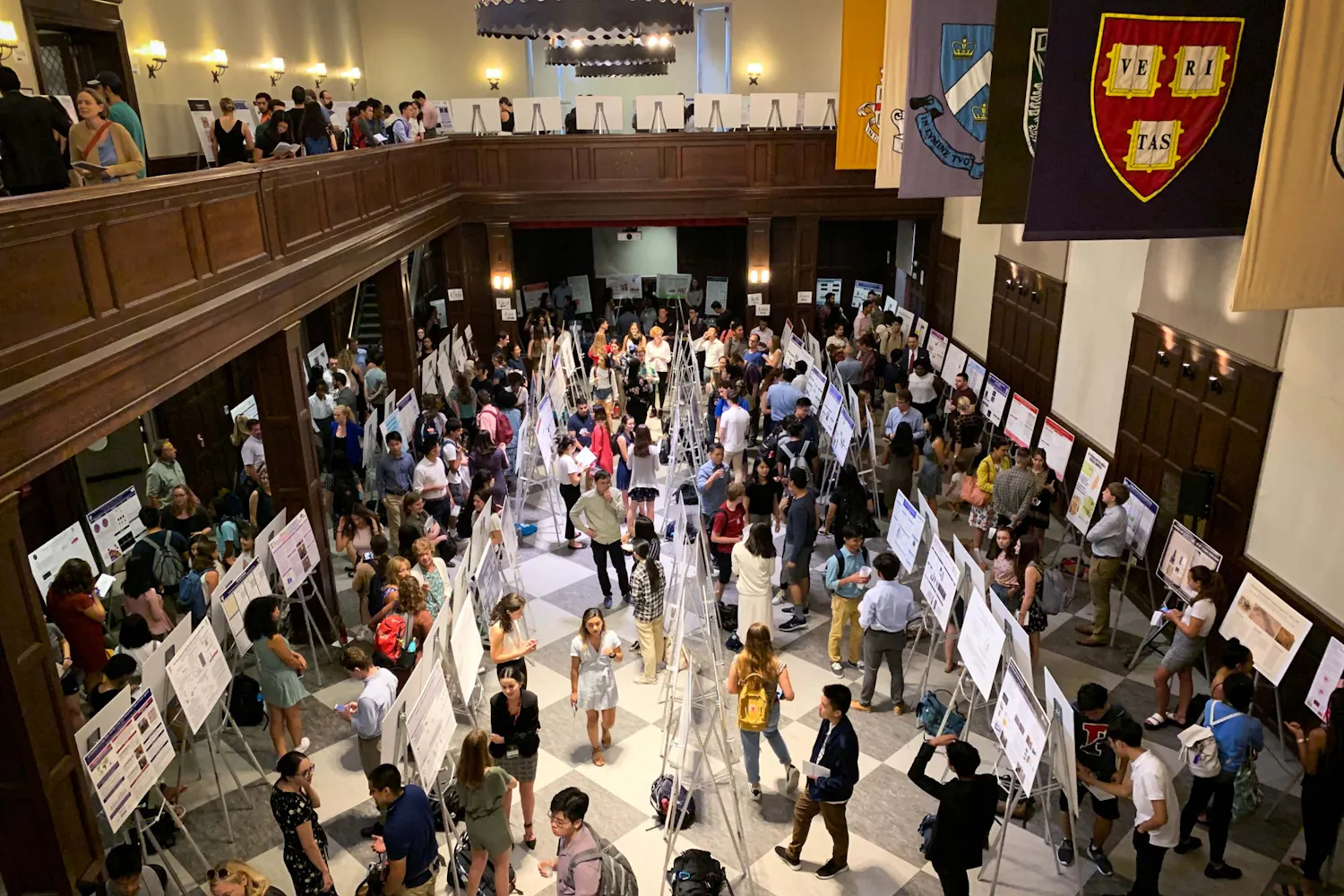
Posters were displayed from 5 p.m. to 6:30 p.m. throughout Houston Hall, and topics ranged from historical analyses of literature to identifying genetic markers for diabetes.
Penn is one of the few medical schools in the country that provide a robust, four-year curriculum on palliative care.
Students may reserve single tables to dine inside of 1920 Commons.