Perry World House highlighted Penn founder Benjamin Franklin’s key role in the drafting of the Constitution at a Tuesday panel.
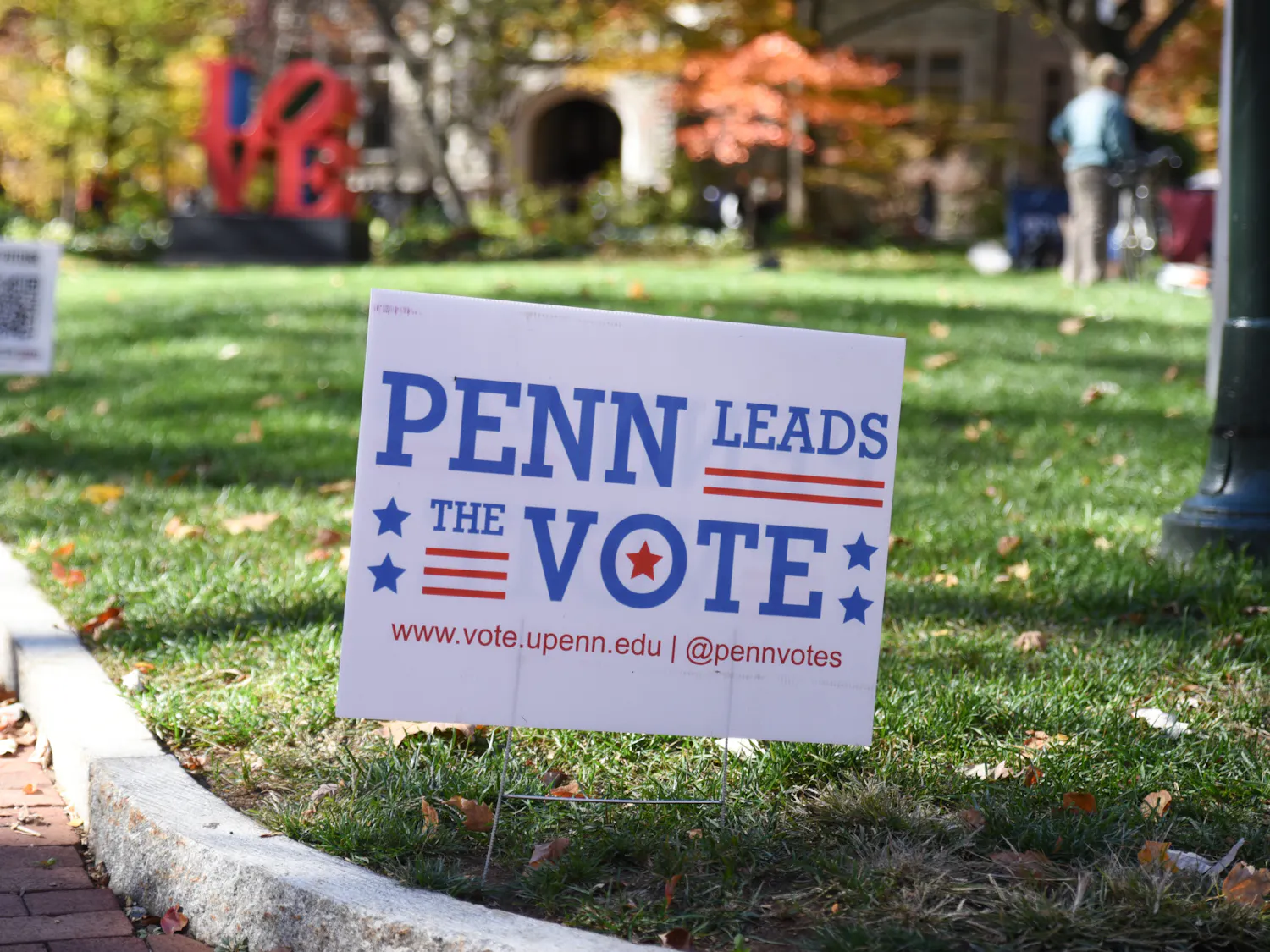
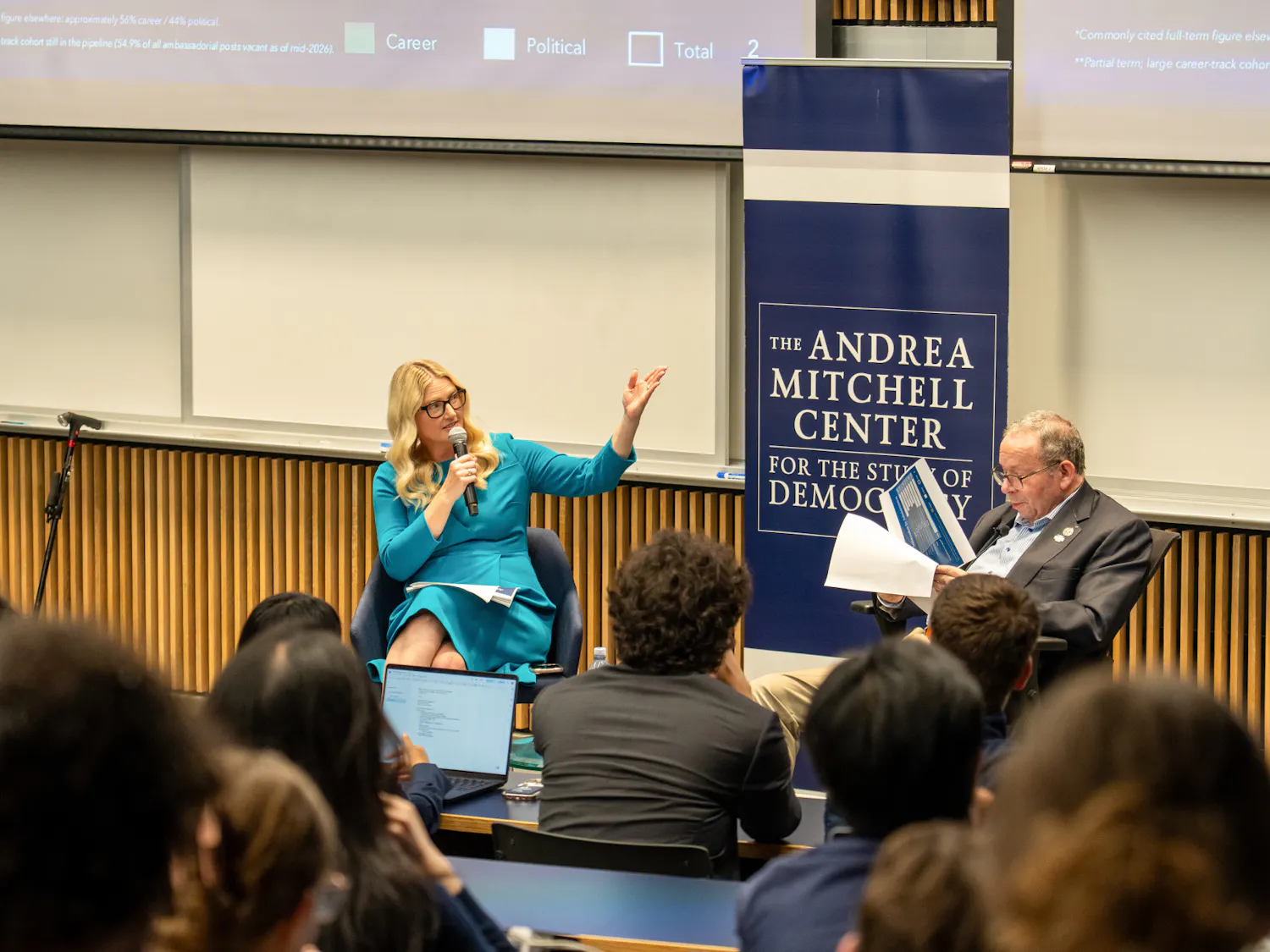
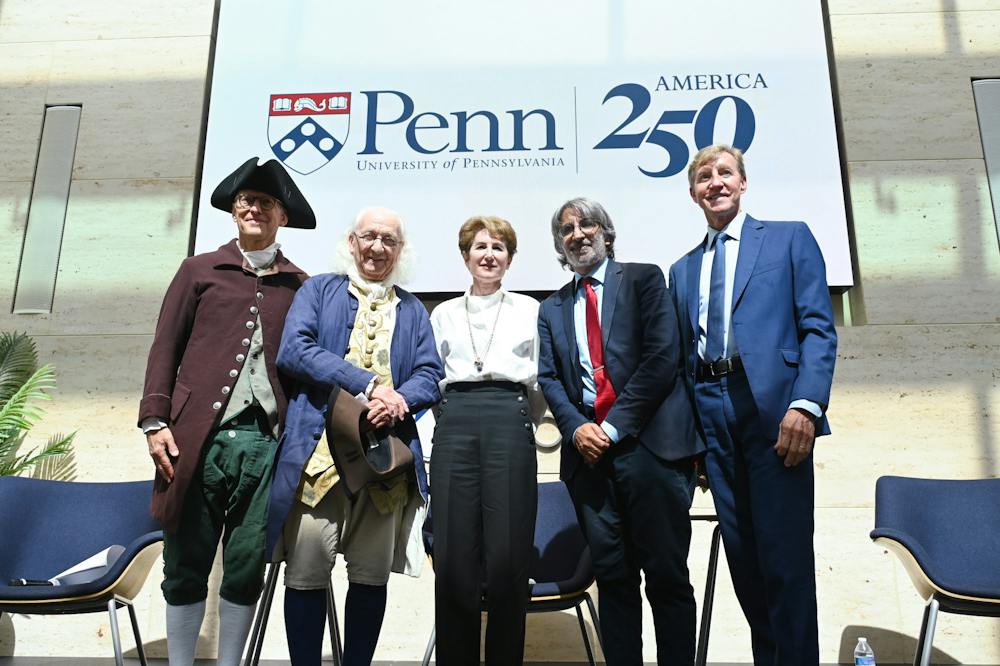
Vice Provost of Global Initiatives Ezekiel Emanuel moderated the Sept. 15 event, which featured Pulitzer Prize-winning historian Stacy Schiff and Yale Law School professor Akhil Reed Amar. The panel — hosted on National Voter Registration Day — was part of the University’s ongoing America 250 speaker series.
During the event, titled “‘A Republic, If You Can Keep It’: The Constitution & Civic Participation,” Emanuel steered the conversation toward why the Constitution was written in the first place. Amar attributed the decision to develop a new framework to the failures of the Articles of Confederation, which governed from 1781-89.
He pointed to the document’s requirement that all 13 states agree on every amendment as a major downfall.
“Rhode Island’s not even showing up, so you can’t actually revise the Articles within the scope of that,” Amar said, adding that the Connecticut Compromise of 1787 — which the Constitutional Convention later adopted — also helped establish certain voting rules that made the final document possible.
Schiff offered a different explanation for how delegates with “little in common” managed to agree upon the Constitution — noting that they were “in a crisis” and knew they could not “leave that room without some sort of solution.”
Both scholars expressed that Franklin played a pivotal role in the convention.
Schiff credited his “homespun wisdom” and willingness to admit “his own fallibility,” which helped quell arguments among delegates.
RELATED:
Perry World House announces inaugural cohort of faculty research fellows
Penn prepares America 250 programming centered on civic dialogue, higher education
Emanuel also highlighted Franklin’s closing speech to the convention, which he claimed “should be a requirement for every Penn student to read.”
Schiff similarly referred to the speech as a “work of genius,” pointing to Franklin’s argument that democracy rests on people believing their government is good and its officials are “wise and have integrity.”
The conversation ended with a Franklin impersonator reciting the speech, followed by a question and answer session and ice cream — which Emanuel called a deliberate choice.
“It’s a celebration, and one has to truly celebrate, not just talk in very academic and intellectual ways,” he said in an interview.
Fels Institute of Government graduate student Abe Baker-Butler said that he attended the event to learn how the founding fathers’ lessons apply to today’s political climate.
“We’re at such a difficult time, so much division, and our Founding Fathers were somehow able to make something unprecedented out of similar conditions,” he added. “I want to know how we can do the same.”
In an interview, Amar said that the biggest takeaway from the panel was the importance of civic virtue — especially among young people.
“Your generation will decide whether the republic lives or dies. It’s all up to you,” Amar added. “The other generations are moving off the stage. Your time is coming.”