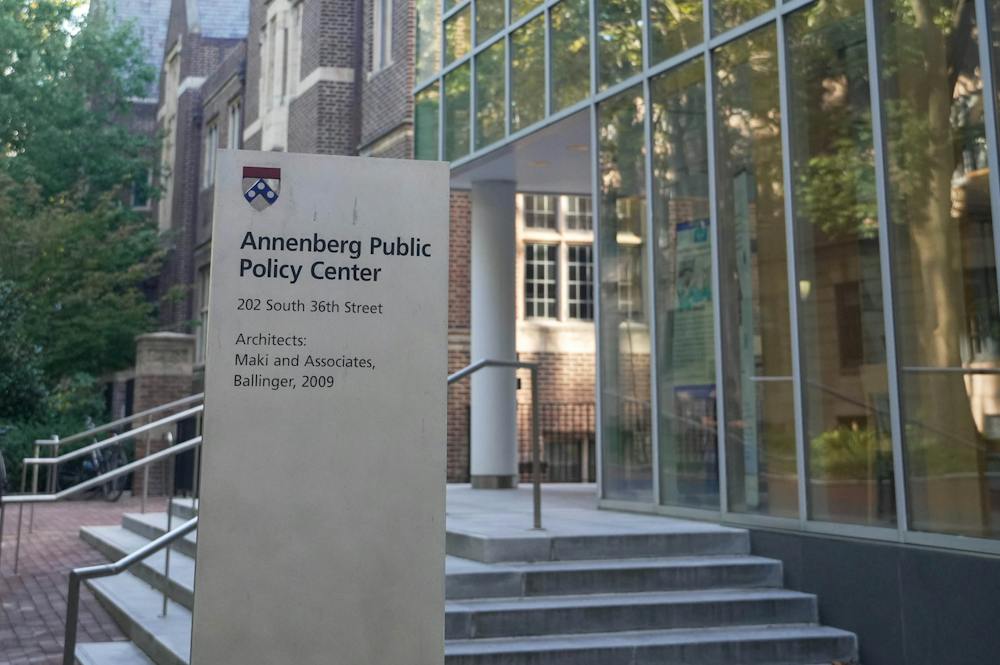
Extreme heat has impacted the daily activities of more than three-quarters of American adults over the past year, a survey by Penn’s Annenberg Public Policy Center found.
The Annenberg Science and Public Health survey, released on Sept. 17, examined Americans’ experiences with extreme heat and their understanding of its health risks. It found that while high temperatures have affected respondents’ household expenses and routines, general awareness of resources such as cooling centers remains limited.
“Extreme heat is no longer just an occasional inconvenience,” Ken Winneg, the policy center’s managing director of survey research, wrote in the survey’s press release. “It is affecting Americans’ household budgets and daily routines, from electricity bills to simply going outside.”
SSRS, an independent research company, conducted the nationally representative survey from Aug. 4 to 17. It included 1,904 adults and had a margin of sampling error of 3.2 percentage points at a 95% confidence level.
Among respondents, over three-quarters said extreme outdoor heat affected their daily activities at least sometimes during the previous year.
75% of respondents said heat had a major or minor effect on their outdoor activities, while 56% reported an effect on their exercise routines and sleep.
The survey also found that over half of respondents expected people in their communities to face a greater risk of heat stroke from extreme heat waves over the next decade. Despite their reported exposure to extreme heat, 65% said they did not know the location of a cooling center they could visit during periods of high temperatures
Alongside heat stroke, poor air quality poses a major health risk.
RELATED:
Annenberg survey finds one-third of Americans can’t name the three branches of government
Perry World House, Penn Climate host conference on global climate issues
The survey reported that 60% of respondents have experienced days with unhealthy air quality during the previous three months, an increase from 48% last year. Of those respondents, 82% said they stayed indoors more than usual in response to air-quality warnings, and just under half reported that they turned on their air conditioning
The reported impacts also included economic consequences.
82% of respondents expressed extreme heat has affected their electricity bills, with nearly half reporting unexpected utility expenses caused by storms, flooding, heat, or wildfires — a figure that was one percentage point higher than it had been the previous year.
Penn students also reflected on the ever-changing climate in interviews.
College first year Thanakorn Sajjavarodom said that reports of climate-related events contributed to his decision to join Penn Climate Ventures — a student organization that provides pro bono consulting services to companies focused on sustainability.
Sajjavarodom added that the “alarming prevalence of climate-related incidents around the world” was one of his primary motivations for joining the organization.
This survey was released after the National Oceanic and Atmospheric Administration reported that summer 2026 was the warmest on record for the contiguous United States. The United Nations also reported that global sea-surface temperatures reached their highest observed level in August.