

Penn’s Physical Exam Access for Community High School club won the $5000 Shah Prize for Innovative Undergraduate Student Projects on Jan. 21.
PEACH sends student volunteer teams to Philadelphia high schools, where they conduct required physical examinations for students. The Daily Pennsylvanian spoke with members of the organization about its mission to increase high school athletes’ accessibility to healthcare.
College senior Brian Dinh, co-founder of PEACH, explained that the “lack of access” the high schools have to healthcare is "surprising, considering how close a lot of these schools are to huge institutions like Penn Medicine.”
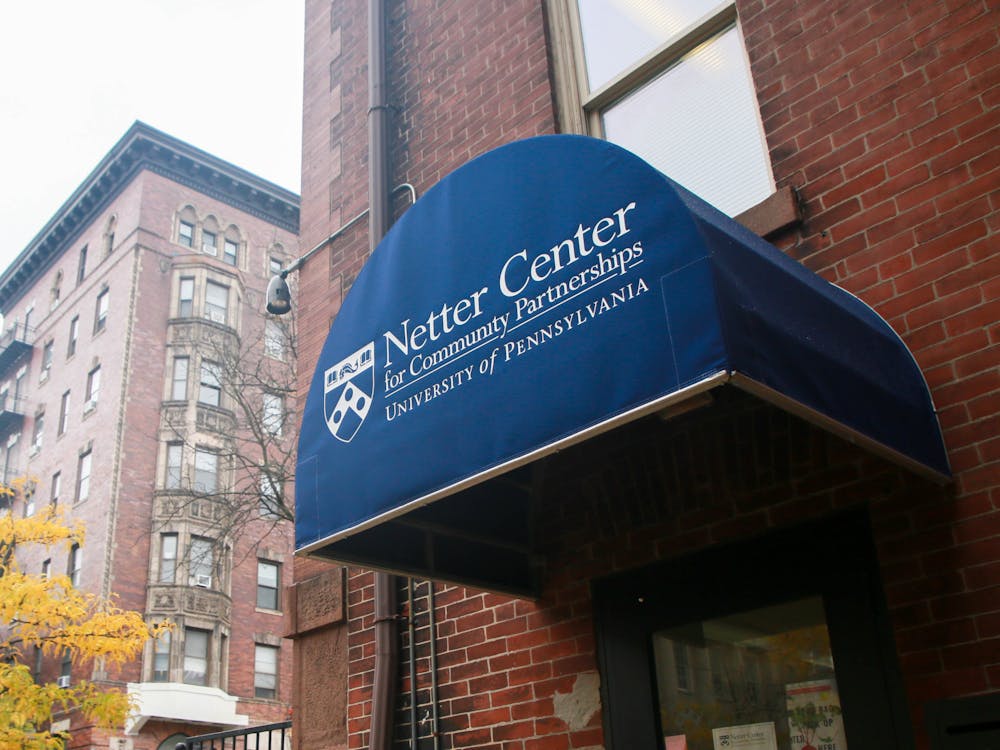
The student-led organization works with the Netter Center and Penn Medicine to provide sports physicals to high school student athletes.
Before PEACH offered these services, Kristopher Fayock — co-founder of PEACH and Penn Medicine physician specializing in family, community, and sports medicine — conducted these exams with small teams of volunteers.
To participate in a Pennsylvania Interscholastic Athletic Association sport, high school students must complete a sports physical exam and receive medical clearance.
Fayock explained that the goal of increasing access is “to try to get as many barriers out of the way” for high school students and to offer them a free physical examination to help “keep them in sports.”
Dinh began working with Fayock during the 2024-25 academic year, when he was a junior at Penn.
RELATED:
Four Penn Medicine studies to be honored with national clinical research award
Penn Med, CHOP among 13 recipients of NIH funding for autism research collaboration
“Fayock told me that they were in need of volunteers — especially because they expanded beyond the Netter Center partner high schools,” Dinh said. “That’s when we started working closely together to bring in volunteers to work at the vital stations — that way students get more clinical hours.”
PEACH has held 13 physical exam events — ranging across seven Philadelphia high schools — and completed over 550 student physicals in the first year since its founding, according to Fayock.
During events, PEACH volunteers conduct vital sign and vision screenings and organize educational tabling stations for students waiting for their exams. These stations provide information on health topics such as hypertension and diabetes, often through interactive activities.
Dinh said that holding physical exam events during school hours can help reduce additional barriers to access.
“Maybe [students] have work after school or maybe they [have] other commitments, so going to the schools during school hours takes that barrier out beyond the free physical exams,” he explained.
One of the high schools PEACH has worked with is School of the Future. Christopher Jones, the school's athletic, told the DP that the organization’s work “allows a lot of our student athletes to participate in sports that otherwise probably would not be able to.”
The school normally has about 225 students that participate in sports. According to Jones, “roughly 60 to 70% of their PI double A physicals come from these events.”
“It’s a huge part of our athletic program,” he added. “It literally enables us to keep the teams that we have and keep as many student athletes involved in our programs as as we do.”
College sophomore and incoming President of PEACH Hope Applegate hopes to streamline volunteer transportation and upgrade the organization’s medical equipment during her tenure.
“We hope to implement more community initiatives outside of school hours so we can have these volunteers come out more regularly — like a nutrition table or educating kids on what healthy snacks are and what blood pressure even is,” Applegate said.
College first year and PEACH Director of Marketing Abril Herrera-Calderon told the DP that volunteering with PEACH provides hands-on learning opportunities, regardless of prior experience or knowledge in the healthcare field.
“Being able to shadow the actual Penn Med school students, you get to see the knowledge of [the high school students] growing as well,” Herrera-Calderon said. “Everyone is super welcoming — they’ll show you the ropes and give you everything you need to know.”


