When I first came to Penn, I expected to meet students from all over the country. After all, we were the “most diverse group of admitted students in Penn’s history” when we arrived in 2023. Yet, as I endured the tumultuous process of introductions during New Student Orientation, I noticed a pattern: New York, Philadelphia, Chicago, the Bay Area — why was everyone from a city (or near one)? Hailing from the “middle of nowhere” in Arizona, I couldn’t wrap my head around it. Roughly 20% of the United States’ population lives in rural regions, yet it felt like much less than 20% made up my class.
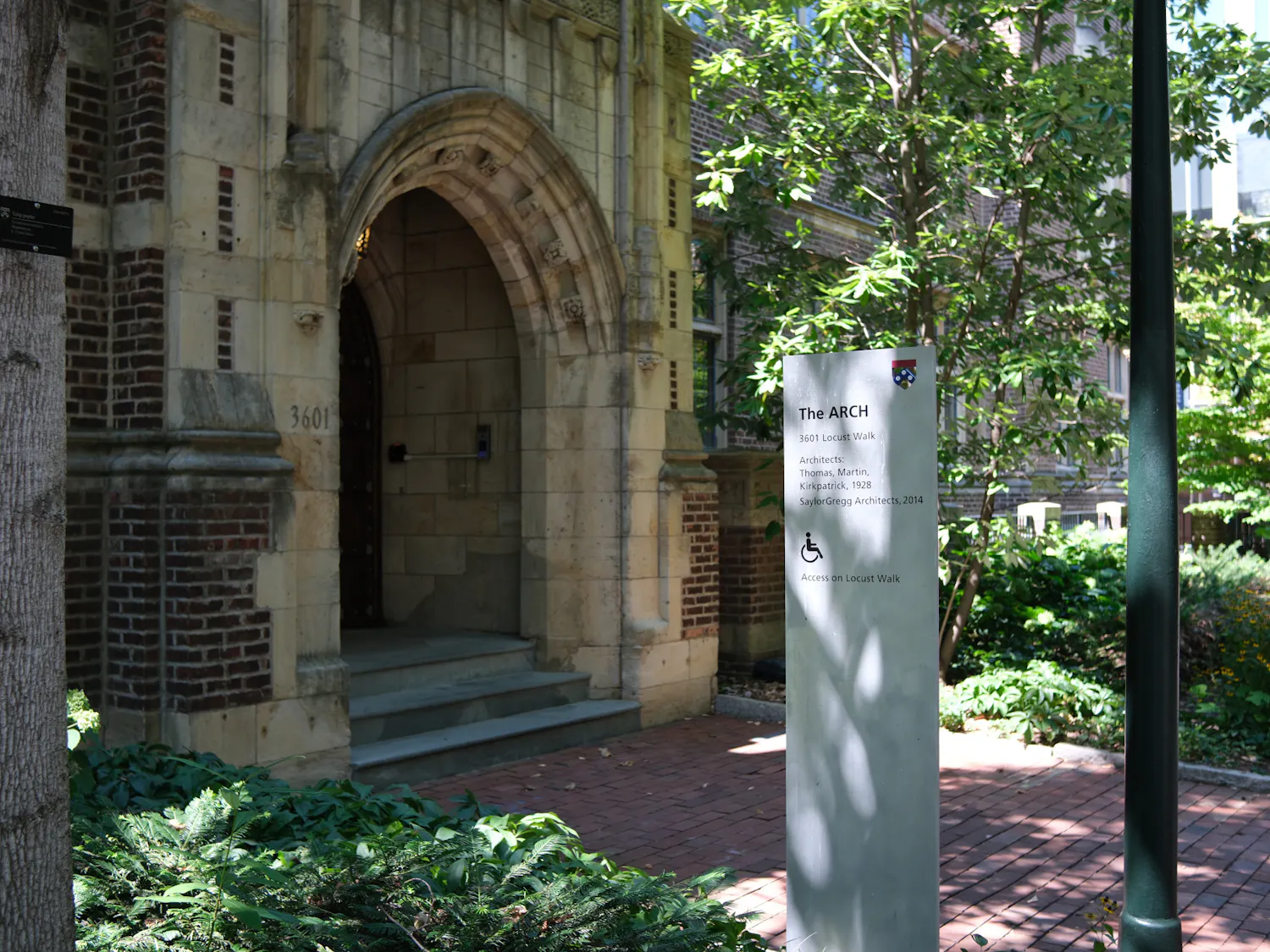
The reality is that Penn is strikingly silent in any conversation relating to rural student admissions, and it’s clearly reflected in the student population. The admissions website seldom mentions rural students (only once, actually), and Penn is notably absent from the Small Town and Rural Students College Network, which flaunts peer institutions like Yale University, Brown University, and Columbia University as members. Even the admitted student profile, with countless boasts about diversity, mentions Philadelphia residents, students eligible to be Pell Grant recipients, and international students — yet not a peep about rural students. It’s no surprise that hearing a southern or Appalachian accent while strolling down Locust Walk is enough to turn heads.
Perhaps Penn’s hesitance to join the push to support rural students isn’t so surprising. Rural students embody characteristics uncommon in the average admitted student to Penn: They’re disproportionately first-generation, low-income, largely unprepared for college, and attend underfunded public high schools. Unlike the majority of students at Penn — who come from the likes of well-funded suburban schools, urban public magnet schools, or prestigious private high schools — rural students often attend schools that better prepare them for trades than universities.
I can speak from experience: It was extremely difficult trying to gun for a university like Penn coming from my hometown. The nearest SAT testing center was over an hour-and-a-half drive away from my house. The only “tracks” or “pathways” offered to students in my high school were in trades like culinary arts, construction, auto shop, or agriculture. What’s more, the only guidance I had for college applications was through the internet, and I felt immensely behind reading about the activities getting students into Ivy League schools that I had never heard of before.
It’s unfortunate, as rural students could benefit most from the upward social mobility Penn’s community never stops talking about. Only 19% of rural Americans hold bachelor’s degrees or higher, compared to an average of 33% across the nation. Not to mention, people of color in rural areas suffer from poverty at higher rates than in urban areas, with rural Black Americans having a poverty rate of about 30% compared to a rate of about 20% in urban areas. Moreover, 54% of Native Americans, Penn’s most underrepresented racial minority group, live in rural or small-town areas.
For those of us coming from a rural background, the struggle doesn’t stop there. Beyond admissions, Penn does absolutely nothing to support its enrolled students from rural areas. Aside from a measly dinner for those from small-town and rural communities hosted by Penn First Plus (which I can’t even find a link for because it’s not advertised anywhere except at the P1P Center itself), Penn lacks any initiative in support of its rural student population. It’s not a crazy ask, either; Yale and Brown have rural student alliances — Rural Students Alliance at Yale and Rural Students @ Brown, respectively — but at Penn, we have nothing. We don’t even get a mention on the P1P website like other affinity groups do.
The rural student experience at Penn is a difficult one, and it’s importantly distinct from the general FGLI experience. Many of us, myself included, come from places with absolutely no academic culture and are products of failing education systems. The close-knit towns we leave behind make Penn’s community feel superficial and unfulfilling — it’s like a whole different world. The person my hometown knows is completely different from the one Penn sees, and they’re almost incompatible. Being here comes with a unique feeling of alienation every rural student experiences, one only exacerbated by Penn pretending we don’t exist.
Penn has countless initiatives for Philadelphia students, including favoring them in admissions. Hell, even some international students get Penn meetups and events in their home countries, so is it really that difficult to make a space for us rural students to connect? To feel acknowledged? To not be left hung out to dry? Perhaps we aren’t the biggest population on campus, but we exist. It’s time Penn started acting like it.
VIKTOR WITTNER is an Engineering junior from Casa Grande, Ariz. studying computer science. His email is viktorw@seas.upenn.edu.