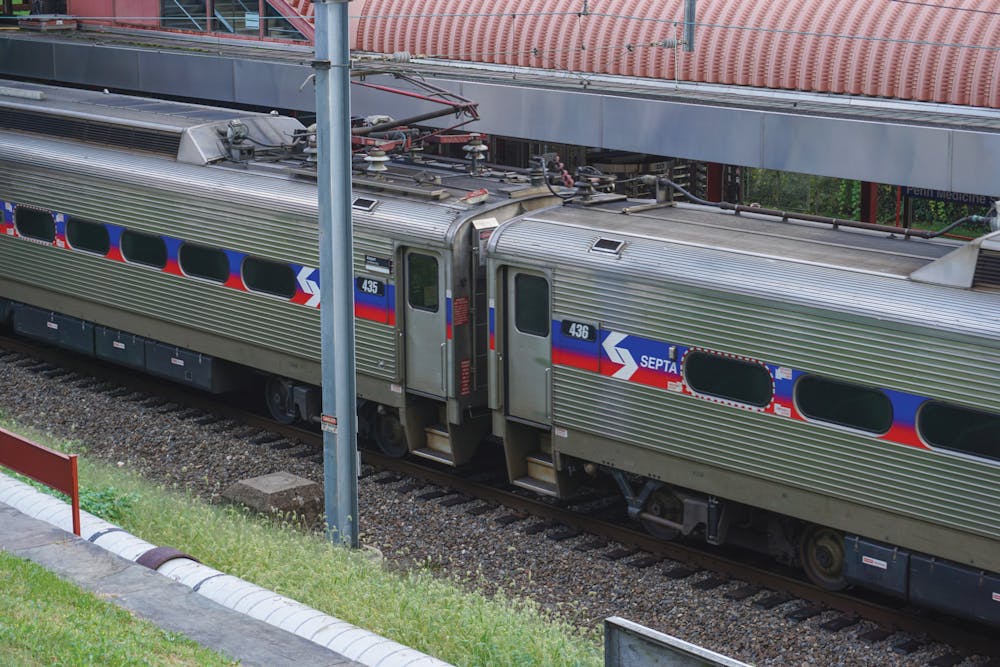
In Philadelphia, citizens have relied on SEPTA since 1963. However, SEPTA is currently facing a $213 million budget deficit as a result of yearslong ridership and funding issues dating back to the COVID-19 pandemic. As a result, SEPTA began implementing its plan of extensive service cuts, including the elimination of 50 bus lines and multiple Regional Rail lines, reducing service by 20% on all remaining lines, and stopping service at 9 p.m. These cuts would cause extensive harm to the Philadelphia community, including Penn students and employees. While SEPTA has recently been given permission to tap into a capital assistance fund to reverse service cuts, this is a short-term solution and does not address the heart of the revenue gap.
SEPTA cuts will directly affect the over 60,000 students and employees of Penn, the Hospital of the University of Pennsylvania, and the Children’s Hospital of Philadelphia. Penn employees use transit seven times more frequently than the average commuter in Philadelphia. Every week, an average of 9,000 HUP employees use SEPTA to commute to and from work. This includes nighttime healthcare workers, one in six of whom rely on SEPTA. Cut lines and the 9 p.m. service stoppage will significantly limit these doctors, nurses, and hospital staff in getting to work. Furthermore, of the 23,000 students at Penn, hundreds commute to the University each day. Leaders at CHOP and HUP have called on state representatives to fund SEPTA, warning of potentially disastrous public health consequences from the cuts.
Besides immediate threats to healthcare access and transportation to campus, SEPTA cuts will increase the necessity for private car use, meaning more traffic and pollution on our streets. Philadelphia has one of the highest rates of traffic deaths among large cities, and an increase in car usage as a result of cuts to public transit will only further increase the number of traffic-related deaths and injuries. A recent report from the Delaware Valley Regional Planning Commission projected an increase of nearly 8% in fine particulate matter, 7% in nitrogen oxides, and roughly 2% in volatile organic compounds into the area from solely the service cuts, in addition to already rising pollution levels.
We urge Penn to act to support student and employee access to public transportation and we call on the Penn community, from leadership to students, to advocate about the importance of SEPTA to our local and state representatives.
Penn could support SEPTA ridership by fully or partially subsidizing SEPTA passes for students to commute around Philadelphia. SEPTA passes would give roughly 29,000 students a convenient, low-cost avenue to commute to Penn, as opposed to driving or using costly ride-booking services. Subsidizing public transportation also offers an avenue for students to explore the city and surrounding areas, increasing the University’s ties to local communities, the economy, and its commitment to civic responsibility.
Many universities across the country and the state invest in public transportation passes for their students. The University of Pittsburgh offers fully subsidized public transit for all students, faculty, and staff through Pittsburgh Regional Transit. Swarthmore College and Bryn Mawr College offer fully subsidized transit for all full-time students through SEPTA’s Key Advantage UPass program. They report that 89% of students have used the passes, demonstrating the significant uptake and impact of free transit programs.
While ridership encouragement from Penn will certainly help the situation on campus, SEPTA will still need to rely heavily on funding allocated from local, state, and federal sources. Long-term funding stability is needed, and a legislative policy approach is necessary. One such bill the Penn community could publicly support is working its way through the state government right now: Pennsylvania House Bill 1364 would increase the amount of sales tax allocated to public transit funds. This measure has passed the state House and is now up for review in the state Senate’s Transport Committee. Individuals can reach out to our local and state representatives through calls or emails (and join Penn Science Policy and Diplomacy Group’s letter-writing event on Oct. 1). It is especially important for students from Pennsylvania districts outside of Philadelphia to share with their representatives how they would be affected.
While the situation SEPTA faces is stark, it is possible for citizens of Philadelphia and members of the Penn community to intervene. At Penn, we can urge the University to invest in fully or partially subsidized passes for students and employees. Collective action is essential in shaping future policy change. As individuals, we urge you to reach out to legislators and voice concerns about this issue. As Philadelphians, we each hold a civic responsibility to advocate for accessible and equitable transportation.
PENN SCIENCE POLICY AND DIPLOMACY GROUP’S LOCAL ADVOCACY TEAM consists of graduate and undergraduate students advocating for evidence-based local policy solutions and community engagement. Members include Georgia Mies, Michael Lyons, Joan Donahue, Andrew Zolensky, Alexander Kang, and Alison Li. Contact them at penn.science.policy@gmail.com or visit their website here.