


The compact was broadly described as a threat to the practice of shared governance — where faculty, staff, administrators, boards, and sometimes students share responsibility for decision-making and policy development.
The compact was broadly described as a threat to the practice of shared governance — where faculty, staff, administrators, boards, and sometimes students share responsibility for decision-making and policy development.
The Oct. 3 memo condemned the compact as “another attempt” by the Trump administration to pressure universities “to comply with its political agenda.”
According to The New York Times, Rowan was a chief architect of the compact — which builds directly on the ideas he first outlined in a 2023 message to Penn’s Board of Trustees.
In his role as a distinguished visiting fellow, Ezoe engages “with students, staff, faculty, and the community on pressing global issues including climate change, democracy, global justice, human rights, and security.”
Klein’s new role at Penn Washington involves research, policy, and applied learning.
The compact, which was send to nine universities including Penn on Oct. 1, outlined sweeping set of principles addressing academic freedom, testing, and international undergraduate enrollment.
The compact, which was send to nine universities including Penn on Oct. 1, outlined sweeping set of principles addressing academic freedom, testing, and international undergraduate enrollment.
The Oct. 3 memo condemned the compact as “another attempt” by the Trump administration to pressure universities “to comply with its political agenda.”

According to The New York Times, Rowan was a chief architect of the compact — which builds directly on the ideas he first outlined in a 2023 message to Penn’s Board of Trustees.

The zoning overlay bill will require the Philadelphia City Planning Commission to review proposals for land sold by colleges and universities before construction begins.

In an Oct. 5 message, Penn President Larry Jameson said that administrators will “seek the input” of stakeholders across campus to develop the University’s response to the federal government.
“When an invitation is accompanied by consequences for not accepting it, it is in fact a threat, not an invitation,” the AAUP-Penn wrote.
Experts told The Daily Pennsylvanian the compact could reshape the relationship between institutions of higher education and the federal government, posing a significant risk to academic freedom.

The plan would establish an international board which will serve as the “supreme political and legal authority for Gaza during the transitional period” and comprise seven to ten members.
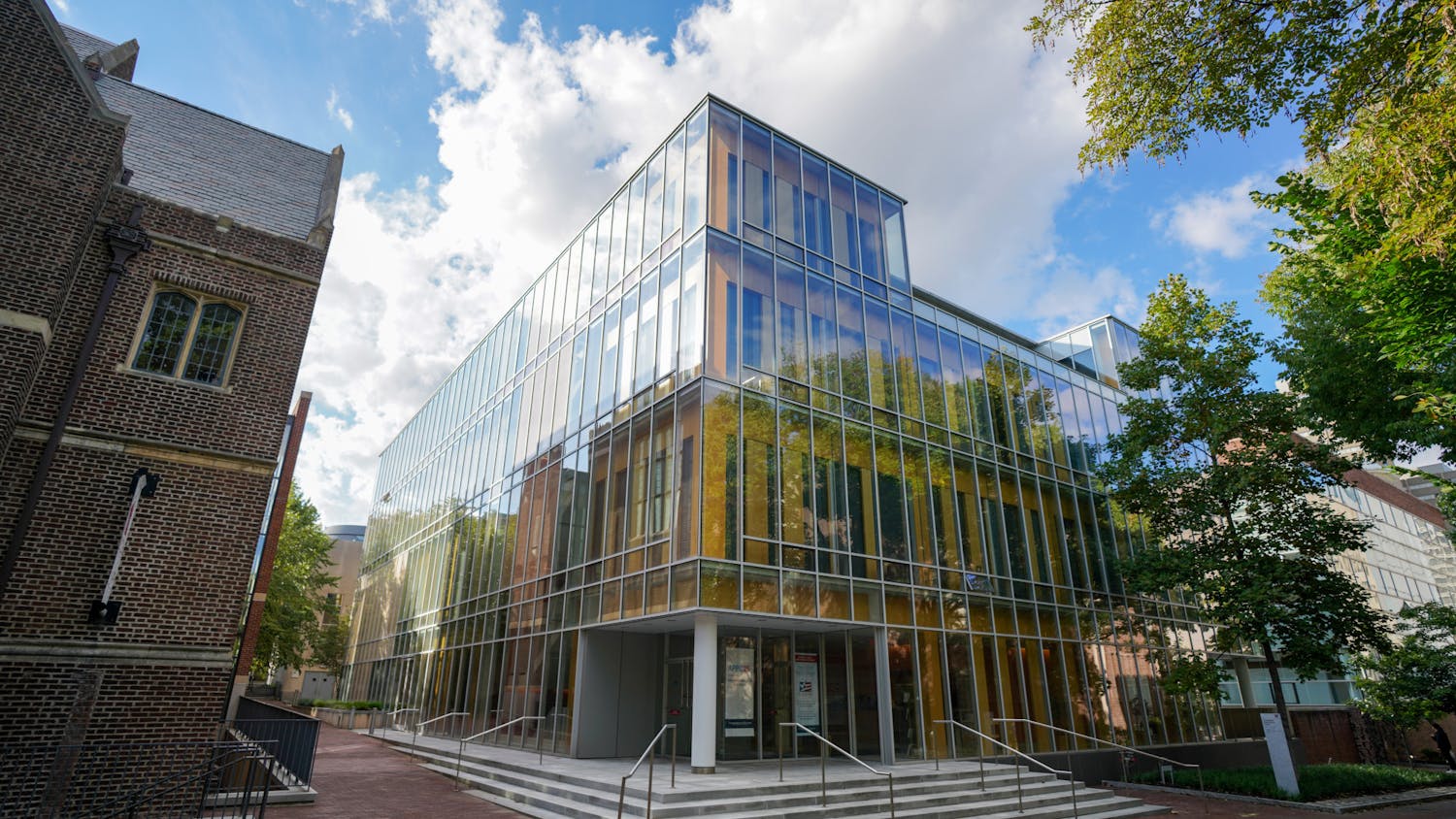
The project — an initiative by the Annenberg Public Policy Center and Leonore Annenberg Institute for Civics — marks the centers‘ annual celebration of Constitution Day.
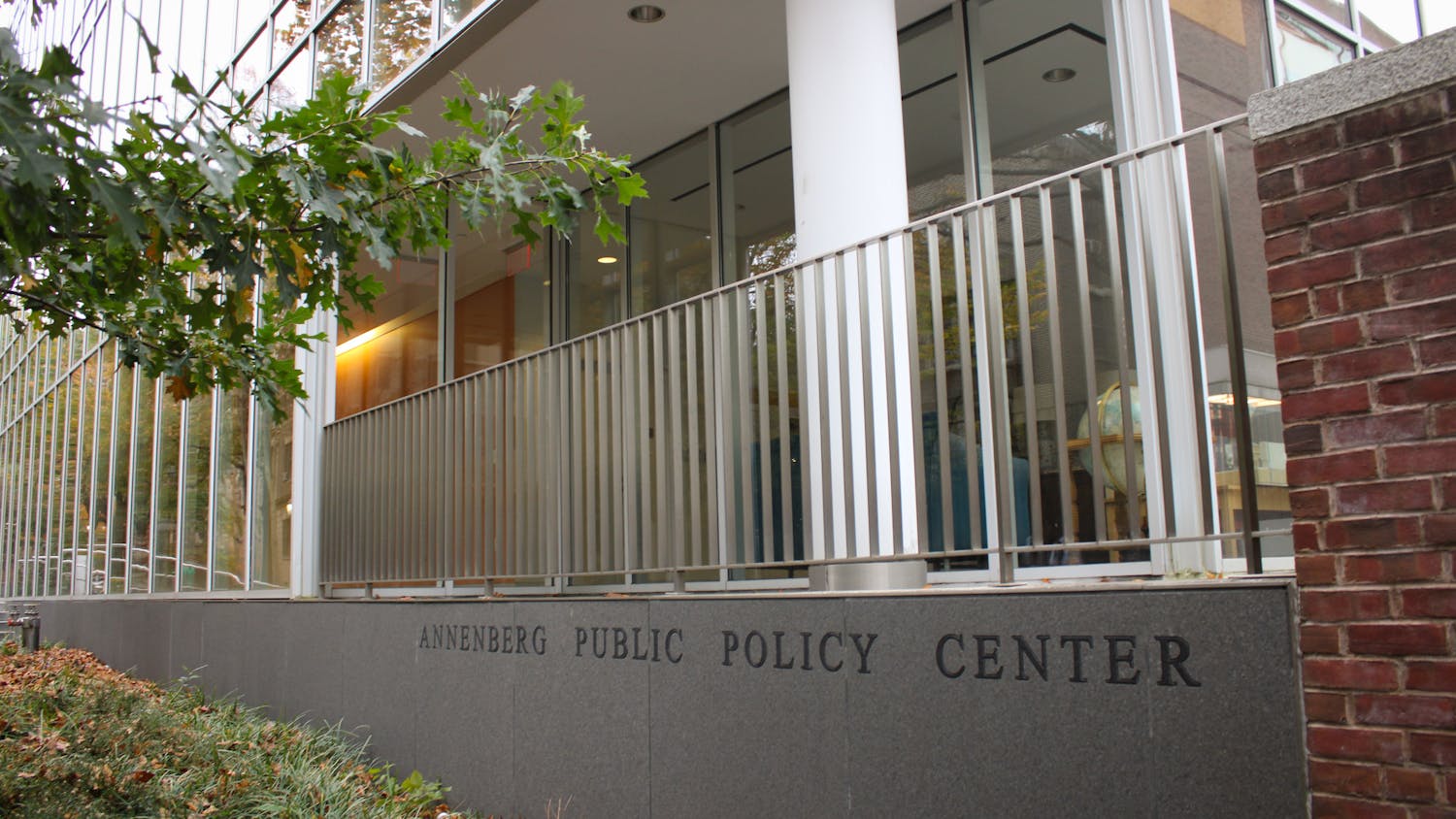
The survey — which is a part of the Annenberg Science Knowledge research series — released its findings on Sept. 26.

The United States government has been shut down since Oct. 1 after Congress missed the deadline to approve a funding deal.

Stanford is running to represent Pennsylvania’s third congressional district in the U.S. House of Representatives, while Goodman is seeking to represent the commonwealth’s 148th district in the Pennsylvania House of Representatives.
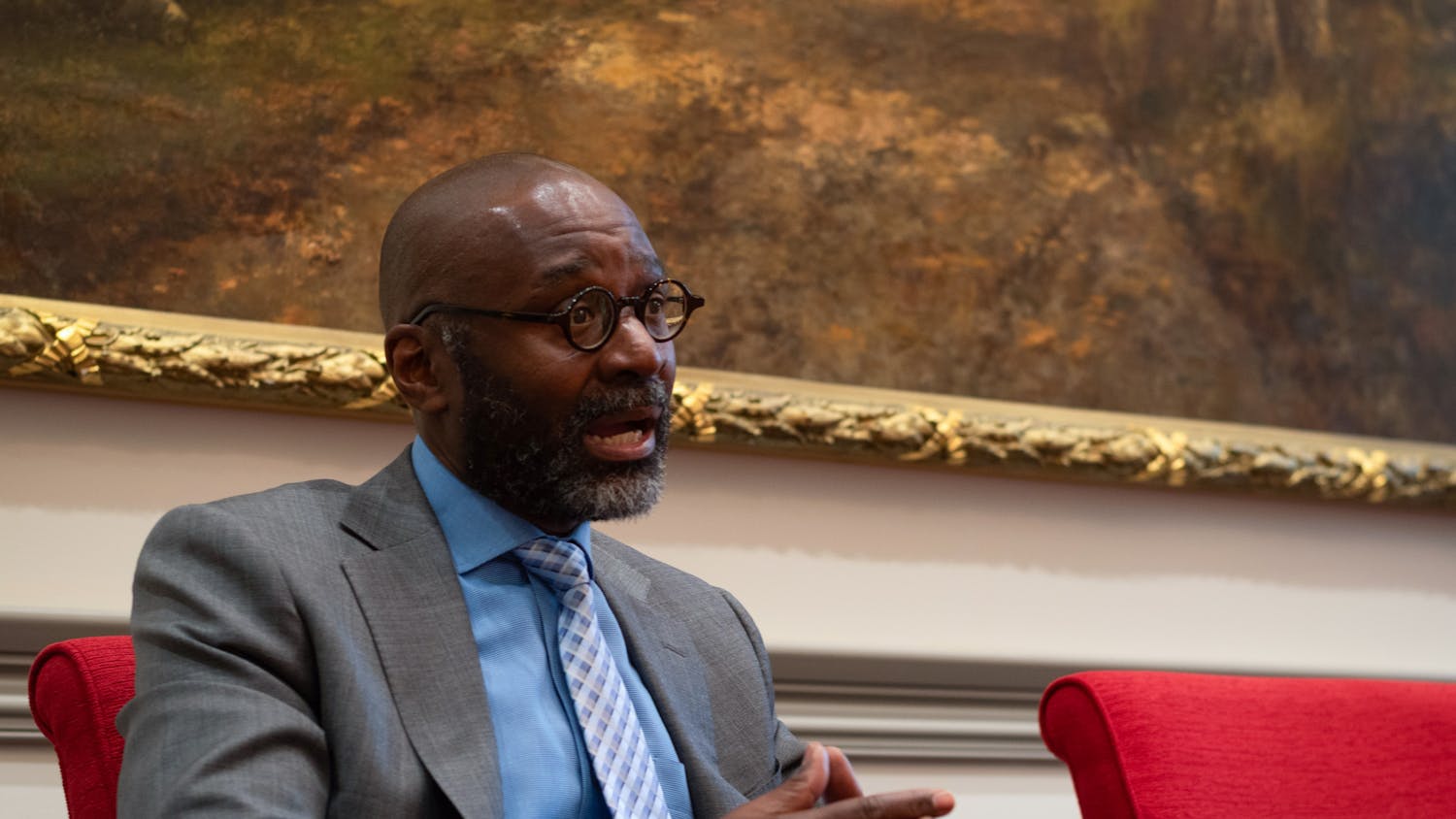
Jackson, who assumed the provost position in 2023, described his office as “the perfect perch from which to really make sense” of Penn as an institution.
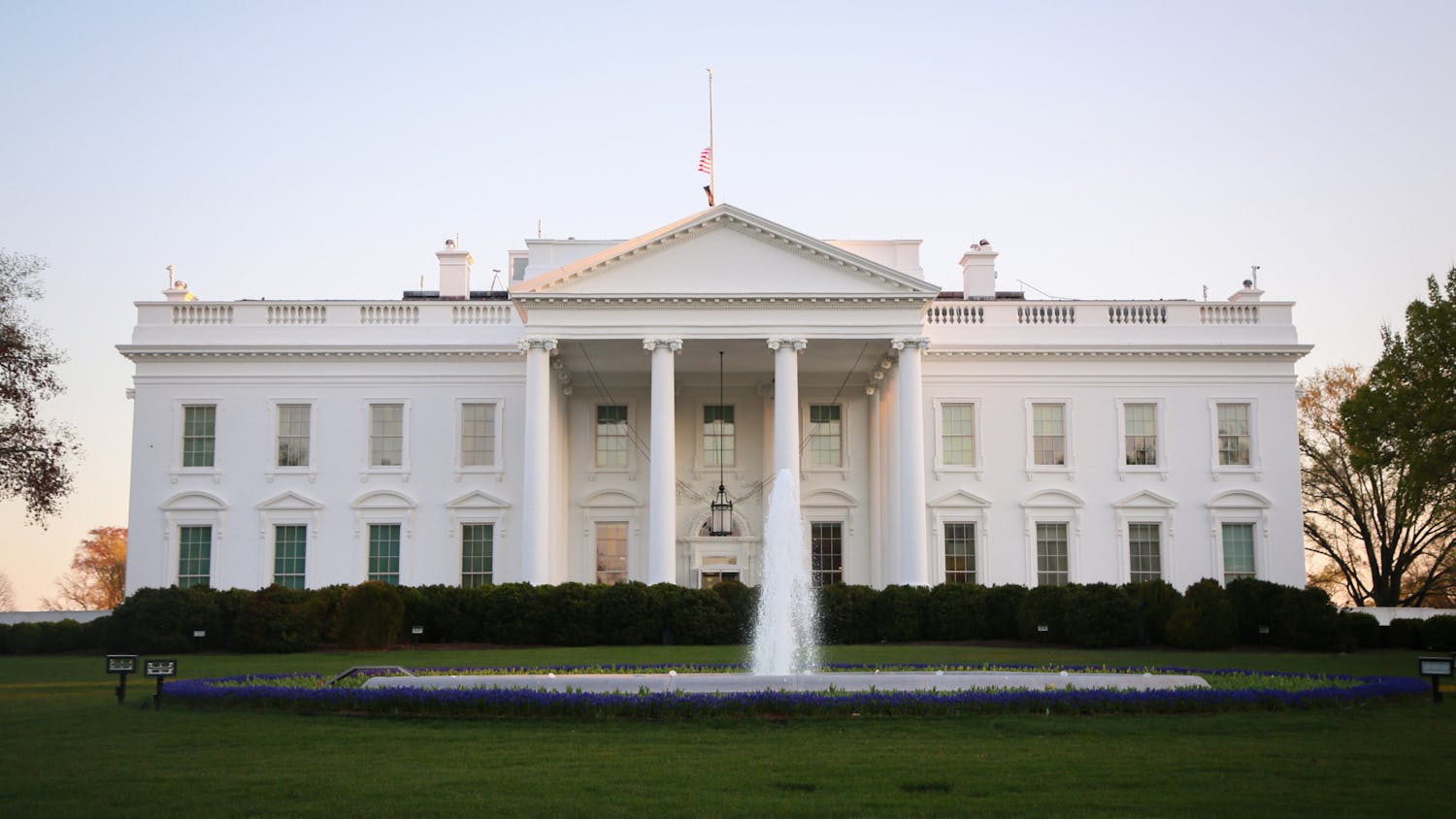
Universities are “free to develop models and values other than those” offered in the memo, but only if the institution chooses to forgo federal benefits, the document stated.

Since 2017, Offit has served two four-year terms — including through the COVID-19 pandemic — on the FDA’s Vaccines and Related Biologics Products Advisory Committee.
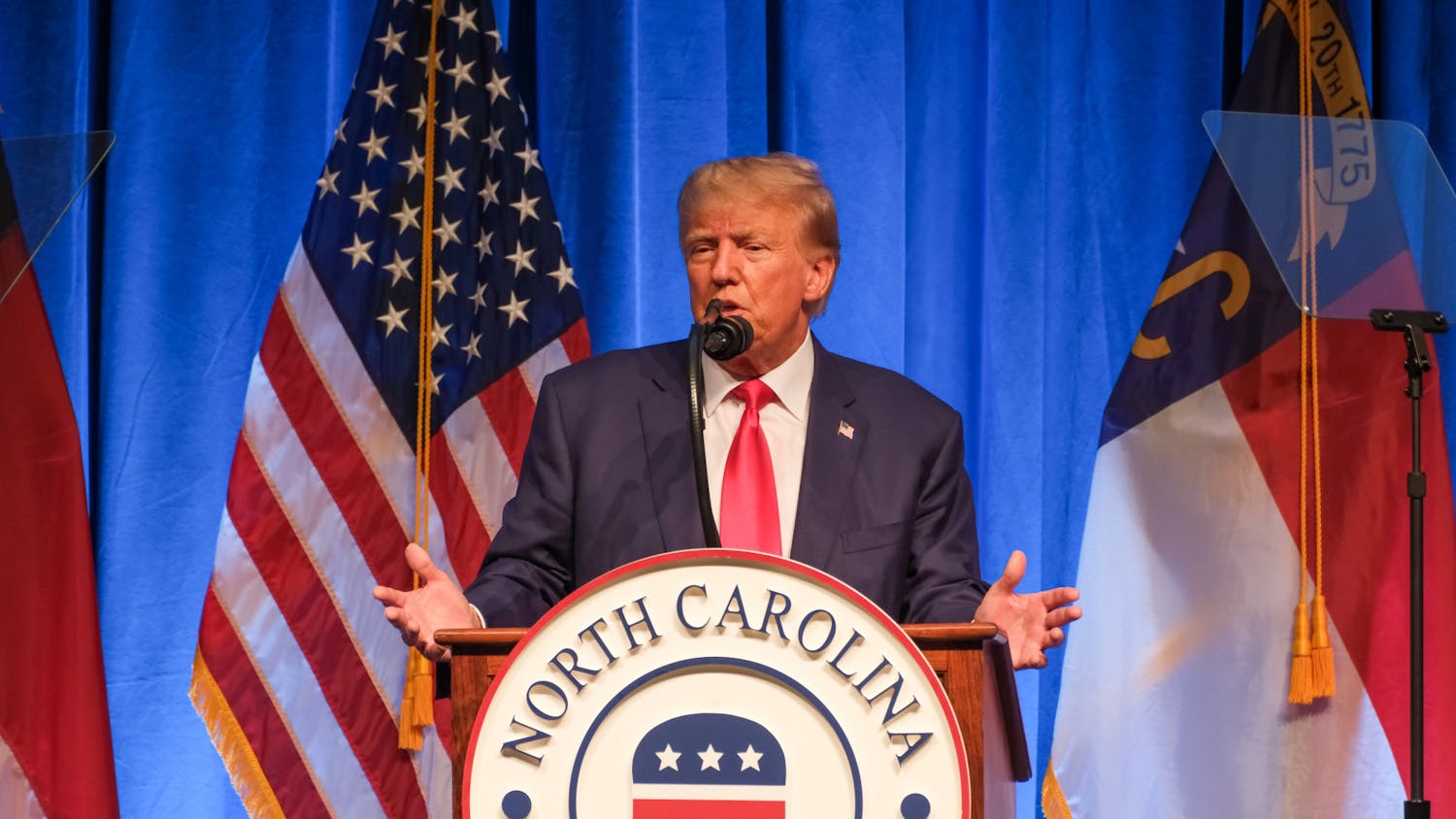
In interviews with The Daily Pennsylvanian, Penn professors argued that the memo could create a “chilling effect on free speech” at Penn and other universities.

The announcement came two weeks after Sen. Dave McCormick (R-Pa.) called for Penn to take action against Mann in light of his social media activity regarding the death of conservative activist Charlie Kirk.
 Solutions by The State News

