I never would’ve known that Marc Rowan was the one of the world’s richest CEOs, or that he attended the Wharton School, or that he authored the federal government’s Compact for Academic Excellence in Higher Education — if it weren’t for the clubs I managed to weasel into during my first-year fall.
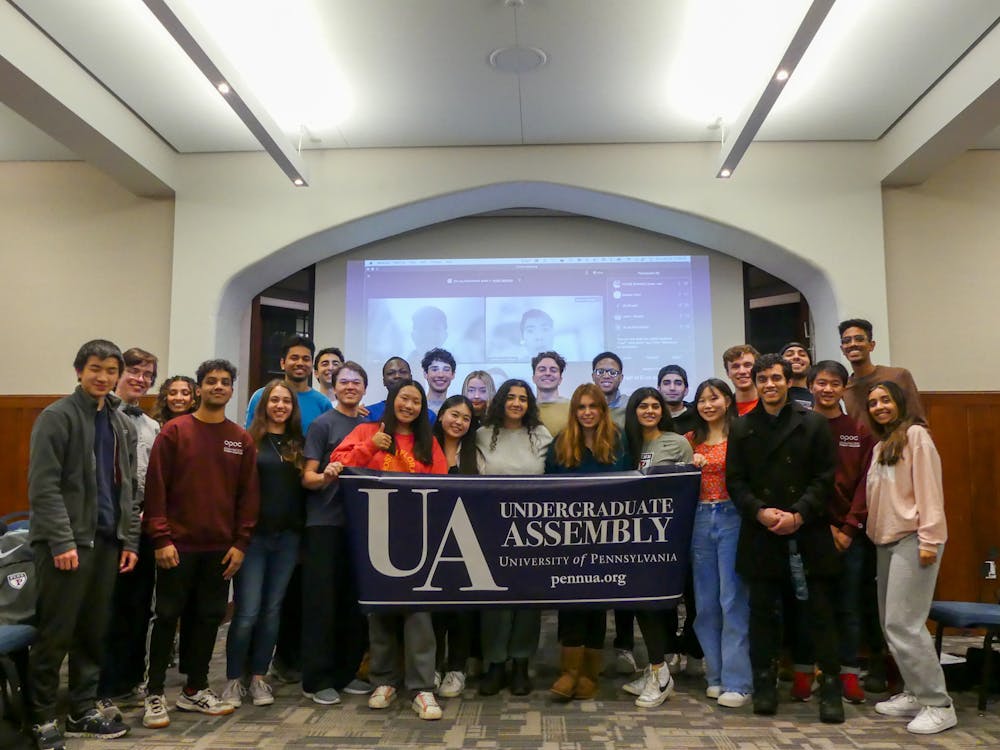
After a grueling process of applying to more than 20 Penn clubs (with a host of odd interviews, mysterious email chains, and humbling rejections), I somehow landed spots on both the Student Committee on Undergraduate Education and the Undergraduate Assembly. I joined because I wanted to help make Penn a better place for students, advocate for our needs, ask hard questions, and contribute to the policies that shape our campus. I imagined they’d be like a bridge between students and administrators, where ideas could turn into tangible change. What I found went even deeper. These were rooms where Penn’s internal operations unfolded in real time.
Most of what I’ve learned about how this University runs hasn’t come from classes or campus headlines, but from the quiet, sometimes tense, often passionate conversations that happen in these meetings.
When the compact first circulated, I could’ve easily skimmed past it. I received a short, under-200-word update in my inbox from Penn President Larry Jameson alerting me that Penn had been asked to sign, saw a few headlines, and assumed it would fade into the noise of Penn life. But in the meetings I attended, students were dissecting it line by line, debating what it meant for the University’s governance and questioning the motivations behind it.
That’s when I realized something: The most important conversations about Penn rarely happen in public.
These spaces — SCUE, UA, and many other campus groups — are filled with students who care deeply about the University. They show up to 9 p.m. meetings after long days of classes, ask hard questions, and work to make real change for their peers and future generations of Quakers. But they’re also small circles, often invisible to the rest of campus. What happens in them trickles out only through whispers, text chains, or the occasional article from The Daily Pennsylvanian.
To be clear, I’ve grown to genuinely admire many administrators I’ve met through these experiences. They are thoughtful, deliberate, and often balancing much more than we’d ever realize. I respect the time they take to hear from student leaders and the effort they put into keeping this massive institution afloat. But I also wouldn’t know any of that if I hadn’t been in these particular organizations.
That’s the problem. For a University that prides itself on meticulously selecting “pioneering thinkers” to fill each incoming class, Penn often keeps those same students in the dark about decisions that directly shape their lives. Whether it’s a new administrative compact, a change in financial aid structure, or a policy shift affecting student group funding, communication tends to come after the fact — summarized, simplified, and stripped of context.
Transparency shouldn’t be something students have to chase down through committee meetings or group chats. It should be part of how the University engages with us every day. Because when students understand why things happen, not just what happens, we’re more likely to engage constructively. We stop speculating, start collaborating, and bring our creativity to the table.
When Jameson announced that he declined to sign the compact (again, in a sub-200-word email) and eventually released the University’s full response to the compact after weeks of student feedback, it felt like a win. But it also raised the question: Why did it take so much back-and-forth for students to see something that should’ve been public from the start? Imagine how much stronger our campus discourse could be if every student had access to the same information we debate behind closed doors.
Penn doesn’t need to overhaul its leadership structure to make this happen. It just needs to embrace the same ethos it expects from its students: intellectual openness, curiosity, and dialogue. Holding a town hall before major decisions, publishing more detailed administrative updates, or even hosting casual “ask me anything” sessions with deans could go a long way toward bridging that gap.
We, as students, came here because we wanted to be part of something dynamic and world-changing. We care about this place not just as a school, but as a living institution that reflects our values and ambitions. That care deserves to be met with trust. Empowerment comes from knowledge. Change comes from awareness. Passion comes from understanding. If Penn truly wants to live up to its reputation as a leader in higher education, it should start by letting its own students in on the conversation.
SOPHIE RIVELL is a College first year from West Chester, Pa. studying political science and communication. Her email is rivell14@sas.upenn.edu.