

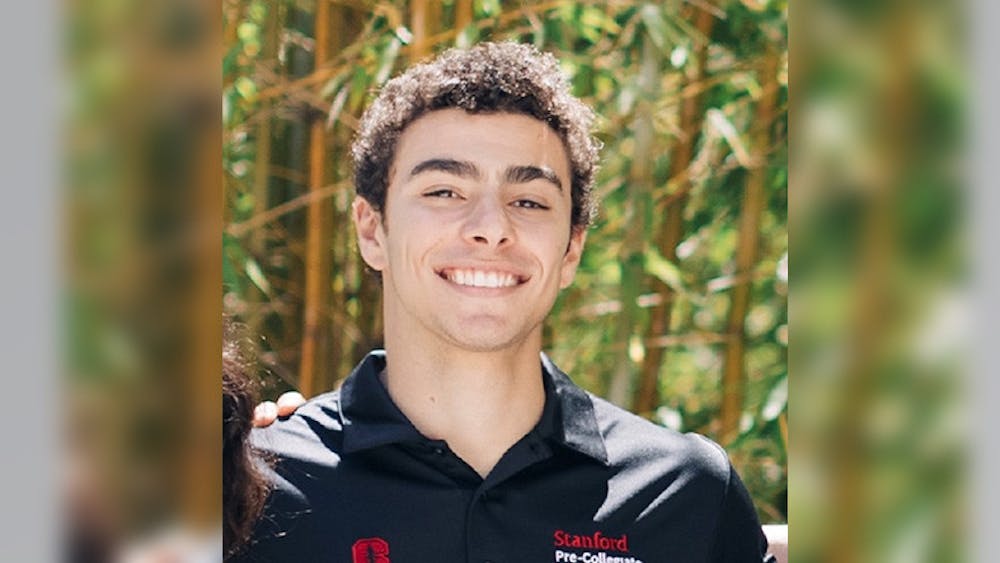
2020 Engineering Graduate Luigi Mangione was cleared of two New York state terrorism charges related to the December 2024 killing of United Healthcare CEO Brian Thompson on Tuesday.
Gregory Carro, the New York State Supreme Court justice overseeing the case, ruled that the charges — which included murder in furtherance of an act of terrorism and murder in the second degree as a crime of terrorism — were “legally insufficient.” According to New York law, prosecutors must show that a defendant sought to intimidate a civilian population or influence government policy, which Carro said the district attorney’s office failed to do.
The terrorism charges levied against Mangione were among the most serious counts he faced and carried a sentence of life without parole. While the dismissal removes these charges, Mangione still faces one count of second-degree murder in New York — which carries a 25-year sentence if convicted. He also faces several weapons charges and four federal charges, including a federal murder charge, for which prosecutors have said they plan to seek the death penalty.
He has pleaded not guilty to all charges.
Prosecutors, led by Alvin Bragg of the Manhattan District Attorney’s Office, argued that the terrorism charges were warranted because Mangione targeted Thompson — a prominent corporate executive — in the middle of New York City to draw attention to his opposition to the U.S. health care system.
In a December press release, Bragg described the killing as “a frightening, well-planned, targeted murder that was intended to cause shock and attention and intimidation.”
Mangione’s legal team, led by former prosecutor Karen Friedman Agnifilo, countered that applying the state’s terrorism statute in this case would “trivialize and redefine” the term. They argued that while Mangione has spoken about wanting to send a “message” about the health care industry, his writings and actions did not meet the legal definition of terrorism.
Mangione, who graduated from Penn with both a bachelor’s and master’s degree in computer and information science, was arrested days after the Thompson's murder at a McDonald’s in Altoona, Pennsylvania, after a multi-state manhunt.
Authorities said he was carrying a 3D-printed handgun, ammunition, and a handwritten 262-word manifesto criticizing the “parasitic” health care industry.
In a statement to The New York Times, a spokeswoman from Bragg’s office, Danielle Filson said they “respect the court’s decision” and have no plans to appeal this ruling.
Mangione’s next state court hearing is scheduled for December 1, after which he will appear in federal court.
Staff reporter Daniya Siddiqui covers campus advocacy and can be reached at siddiqui@thedp.com. At Penn, she studies political science.


