

Last Friday, the chapter presidents of Penn's sororities and fraternities met with a team from the University to discuss next year's facilities budget for the Greek houses.
Every year, each chapter meets individually with the University facilities team to discuss fixed costs, projected utilities, rent and any additional small projects that need to be done around the house for the upcoming academic year. Only fraternities and sororities in houses owned by the University meet with facilities representatives.
"It's a good way for . the University to get an idea for what is going on in the houses, and . for the fraternity presidents to take ownership over their budgets," said Wharton and College junior David Ashkenazi, president of the InterFraternity Council. "Every dollar that [the fraternities and sororities are] paying goes into that budget."
College junior and president of the Panhellenic Council Drew Tye agreed that these meetings are essential.
"The quality of the house is very important for recruiting and to maintain membership," she said.
Scott Reikofski, director of the Office of Fraternity and Sorority Affairs, explained that each chapter comes into the meeting with a wish list for what they would like to achieve during the next fiscal year. Projects may take anywhere from a day to the entire summer to complete, depending on the size and scope.
"Each house is different as to the size, occupancy, maintenance issues, short- and long-term renovation plans," Reikofski added in an e-mail. Every building "must be handled on a case-by-case basis."
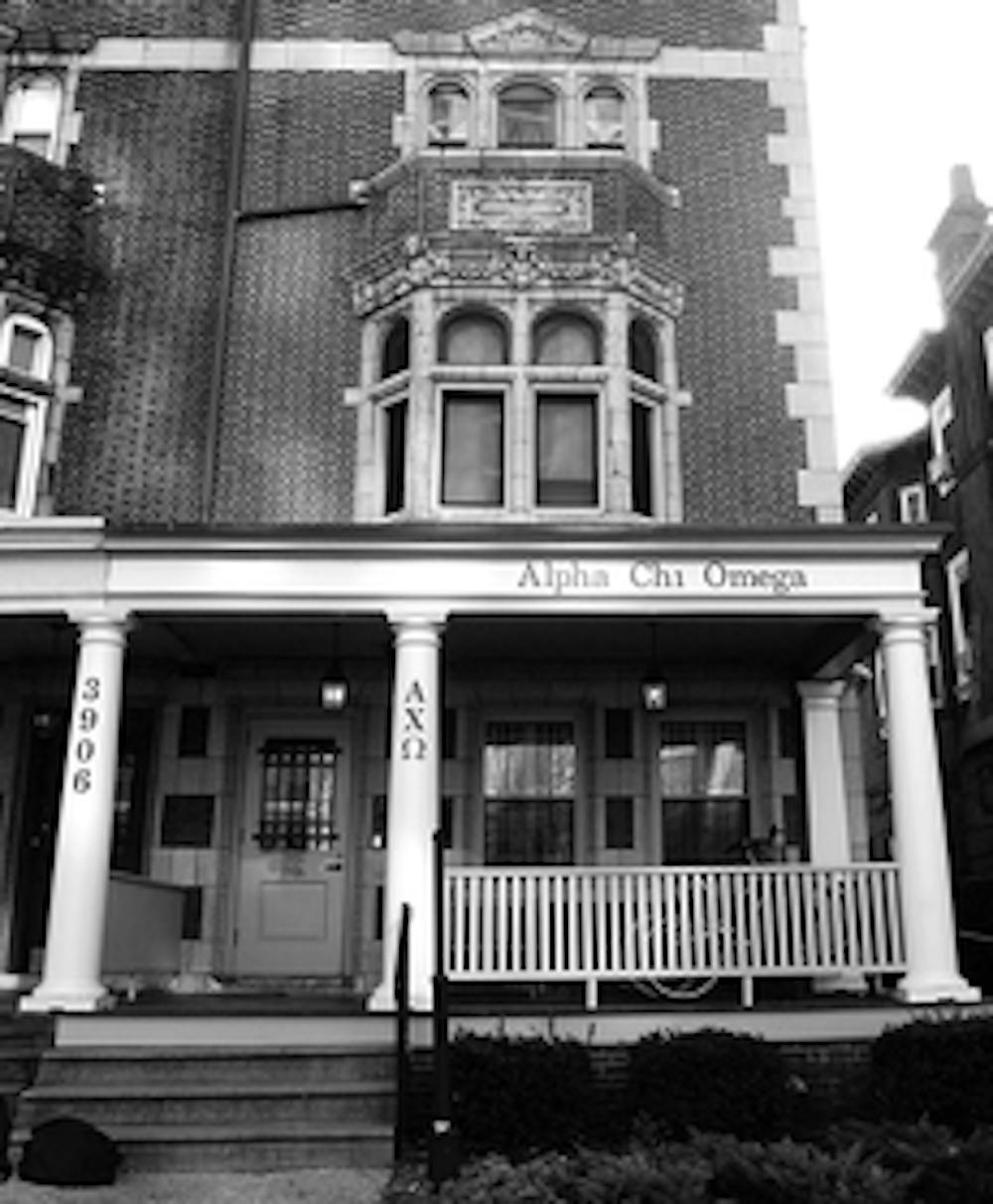
For example, Wharton junior Sara Clark, president of Alpha Chi Omega, said the sorority hopes to renovate the basement and fourth-floor bathroom within the next year.
"I think that they try to address things as much as they can within the budget constraints," said Clark.
Each house is managed according to a "dormitory agreement" - essentially a long-term lease, Reikofski said. That agreement specifies what aspects of the maintenance and upkeep of the house are the responsibilities of the University, the chapter or the Alumni House Corporation.
"The groups themselves pay for the maintenance of the house," through rent and alumni resources, said Tom Hauber, director of Vice Provost for University Life facilities.
"The University's contribution is the team of people that . plan the work," he added.
"Any fund-raising is typically done by the alumni house corporation versus the undergraduate students. There have been times that loans from the University are negotiated into these plans as well," wrote Reikofski.

