The University is moving quickly to install between 1200 and 1500 new bicycle parking spaces across campus to prepare for President Sheldon Hackney's planned restriction of bicycle riding on Locust Walk and other campus walkways, a University official said yesterday. The University has added 280 spaces on 37th Street between Walnut Street and Locust Walk; 180 spaces next to Van Pelt Library; 140 spaces between Meyerson Hall and the Furness building; and 230 spaces between the Palestra and David Rittenhouse Laboratories. James Miller, the University's director of fire and occupational safety, said that an extra 180 spaces will be in place next to Williams Hall in the next week, as well as an additional 200 spots in front of the Medical School's Johnson Building. He added that the University is planning to put between 400 and 500 parking spaces in and around Superblock. This will approximately double the number of bicycle parking spots on campus, Miller said. Last spring, Hackney said he will severely restrict bicycle riding on Locust Walk as soon as "an adequate" number of bicycle parking facilities have been provided on campus. The restriction, which Hackney and a majority of University Council members voted for last April, would prohibit bicycle riding on Locust, Smith and Hamilton walks between 8 a.m. and 6 p.m. Under the restriction, bike riders could lock their bikes to the racks -- all of which will be near one of the three walks -- and go by foot the rest of the way to their classrooms and offices. Miller said that a restriction on bicycle riding would not be feasible without enough bicycle parking spaces. He said he hopes he will be able to advise Council's Safety and Security Committee sometime this semester that enough spaces are in place. Council, the president's advisory group, will then advise Hackney that the restriction should be implemented. The debate over banning bicycles on campus is not likely to end with the restriction. While many have praised the plan as much needed relief for pedestrians, others have insisted that riders will now have to travel on more dangerous routes such as Walnut Street. But Helen Davies, a microbiology professor and longtime member of the Safety and Security Committee, said she hopes the planned restriction would be a decent compromise for both sides. "It's a question of looking at all the people on campus who are bike riders and pedestrians, and seeing if we can come up with a situation that is mutually agreeable and satisfactory to everybody," she said yesterday. Although the University conducted a study which indicated the need for between 1200 and 1500 new spaces, Miller said a recent increase in riders may lead to a need for still more bike racks. "The more [racks] we put in, the more bike use we seem to see," Miller said, adding that the University will assess the effects of the new racks once they have been in place for some time. The new racks will cost the University about $60,000, Miller said. But he said the University is spending about $125,000 for additional improvements to the areas where the racks will go. One of the first effects of the new racks will be a change in the University's policy towards riders who illegally lock their bikes to handrails and other non-designated areas, Miller said. He said the University would soon begin towing those bikes, which violate Philadelphia fire codes, once the new spaces are in place. "It was very difficult to tell people what they should do without giving them an option," Miller said.
The Daily Pennsylvanian is an independent, student-run newspaper. Please consider making a donation to support the coverage that shapes the University. Your generosity ensures a future of strong journalism at Penn.
DonateMore Like This

A history of the Penn presidency
By
Aidan Shaughnessy
·
5 hours ago

No — AI will not wipe out humanity by 2030, Penn experts say
By
Addison Saji
·
5 hours ago

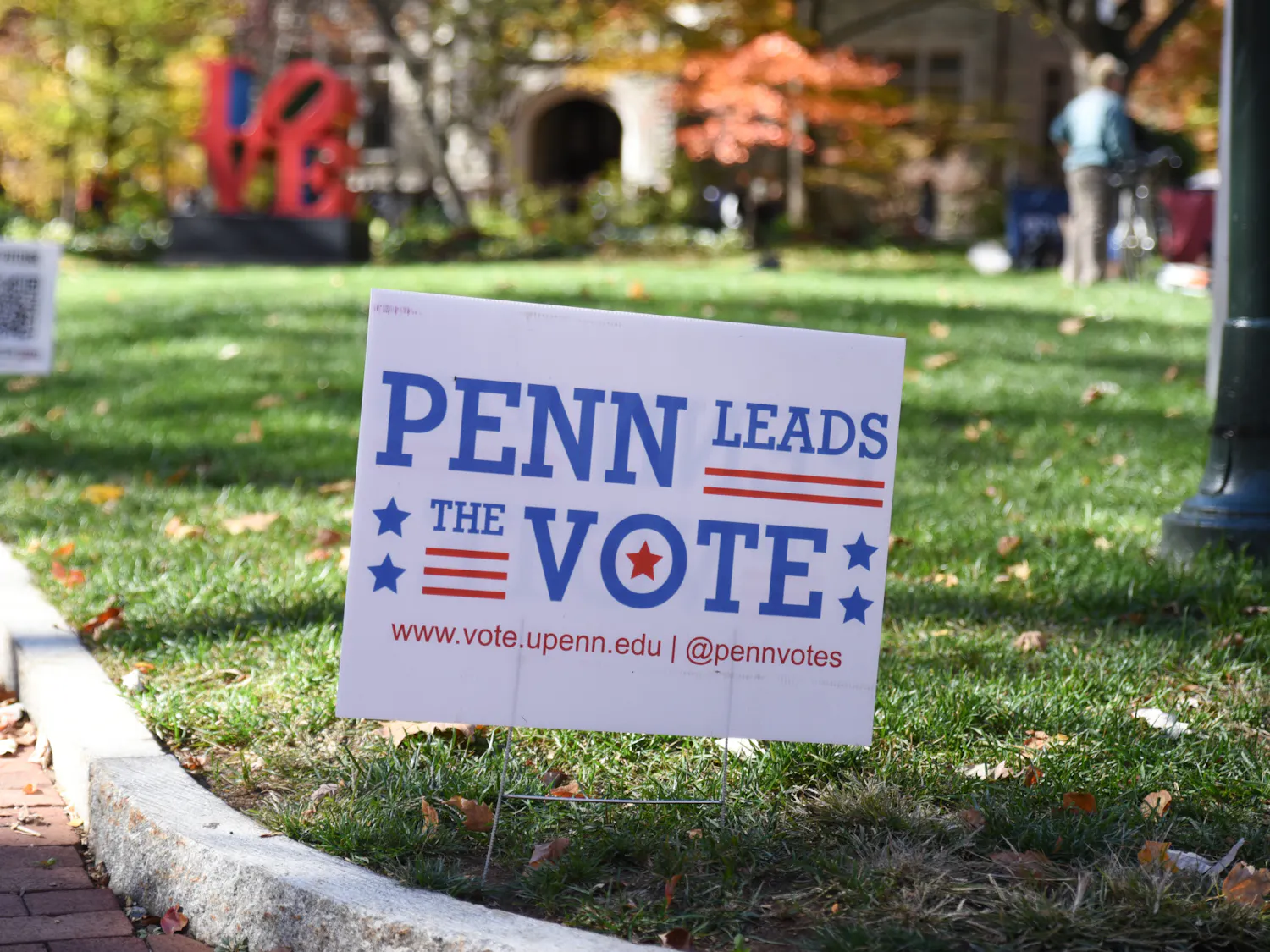
Penn student groups promote voter registration on Locust Walk
By
Mara Flores
·
5 hours ago