The University's Student Health Services has begun offering free hepatitis B vaccinations for those who qualify to participate in a national study. Hepatitis B, a virus which is transmitted through contact with blood or other bodily fluids, causes inflamation of the liver. The study, sponsored by the pharmaceutical company SmithKline Beechum, which manufactures the vaccine, offers the innoculation for free to those who qualify for the experiment. The study is being conducted at 15 sites nationwide, including the University, in an attempt to discover the most effective vaccination schedule, Student Health Research Specialist Linda Cook said this week. In the past, only health care workers were required to be vaccinated against hepatitis B, but the Centers for Disease Control is now recommending that everyone receive the vaccine, Cook said. "The risk groups for hepatitis B are changing," she added. "Whereas [hepatitis B] used to be most prevelant among health care workers,intravenous drug users and gay men, many of the current cases involve heterosexuals who would not previously have been considered at risk." Hepatitis B is characterized by fever, severe abdominal pain, vomitting, loss of appetite and a yellowing of the skin and eyes. The disease is fatal in about one percent of all cases in the United States, according to CDC information. There are about 300,000 new cases every year in the U.S. Rob MacGregor, a professor in the Infectious Disease Division at the Medical School agreed that the risk groups have changed. "Hepatitis B immunization has gone from being something which was considered only for high risk groups -- health care employees, dentists, hemophiliacs, gay men and some other groups -- to being something which is being recommended for new borns and young sexually active adults," MacGregor said. The American Academy of Pediatrics recently recommended that all infants be immunized against hepatitis B if their parents can afford the vaccination, MacGregor added. The greatest rate of increase in the number of cases of hepatitis B has occurred among college-age individuals, Cook said. "Usually once a vaccine has been discovered infection rates drop off dramatically, but this hasn't been the case for hepatitis B," she said. "In fact, the number of infections has actually increased, particularly among young adults." MacGregor said he was equally disturbed by the trend. "This is a random hit phenomenon," MacGregor said. "The more people put themselves at risk -- by having unprotected sex or mutiple sexual partners or using I.V. drugs -- the more likely it will be that they will contract the disease." MacGregor said that the increase in hepatitis B cases is similar to the increase in other sexually transmitted diseases -- such as syphilis and gonorrhea -- but unlike those diseases there is a vaccine for hepatitis B. The hepatitis B vaccine is usually administered in three doses over a sixth month period at a cost of approximately $40 a dose, Cook said. One of the major eligibility requirements is that students not be in what was previously considered a high risk group. "The vaccination has always been available to anyone who wants to pay to have it administered, but the current study is available only to those who would not normally be required to receive the vaccine," Cook added. "I know that sounds a little unfair, but that's the way study has been arranged." Currently, those who want to participate in the study must call Student Health Services and place their name on a waiting list. They will then be contacted by a research nurse who will explain the vaccination program and determine whether or not the student is eligible to participate. Cook said all students should be vaccinated, noting that it is easier to contract hepatitis B from sexual contact or intravenous drug use, than it is to contract AIDS. The vaccine for hepatitis B is very effective, with only a five percent failure rate. And there are no commonly occurring side effects according to the CDC.
The Daily Pennsylvanian is an independent, student-run newspaper. Please consider making a donation to support the coverage that shapes the University. Your generosity ensures a future of strong journalism at Penn.
DonateMore Like This

A history of the Penn presidency
By
Aidan Shaughnessy
·
5 hours ago

No — AI will not wipe out humanity by 2030, Penn experts say
By
Addison Saji
·
5 hours ago

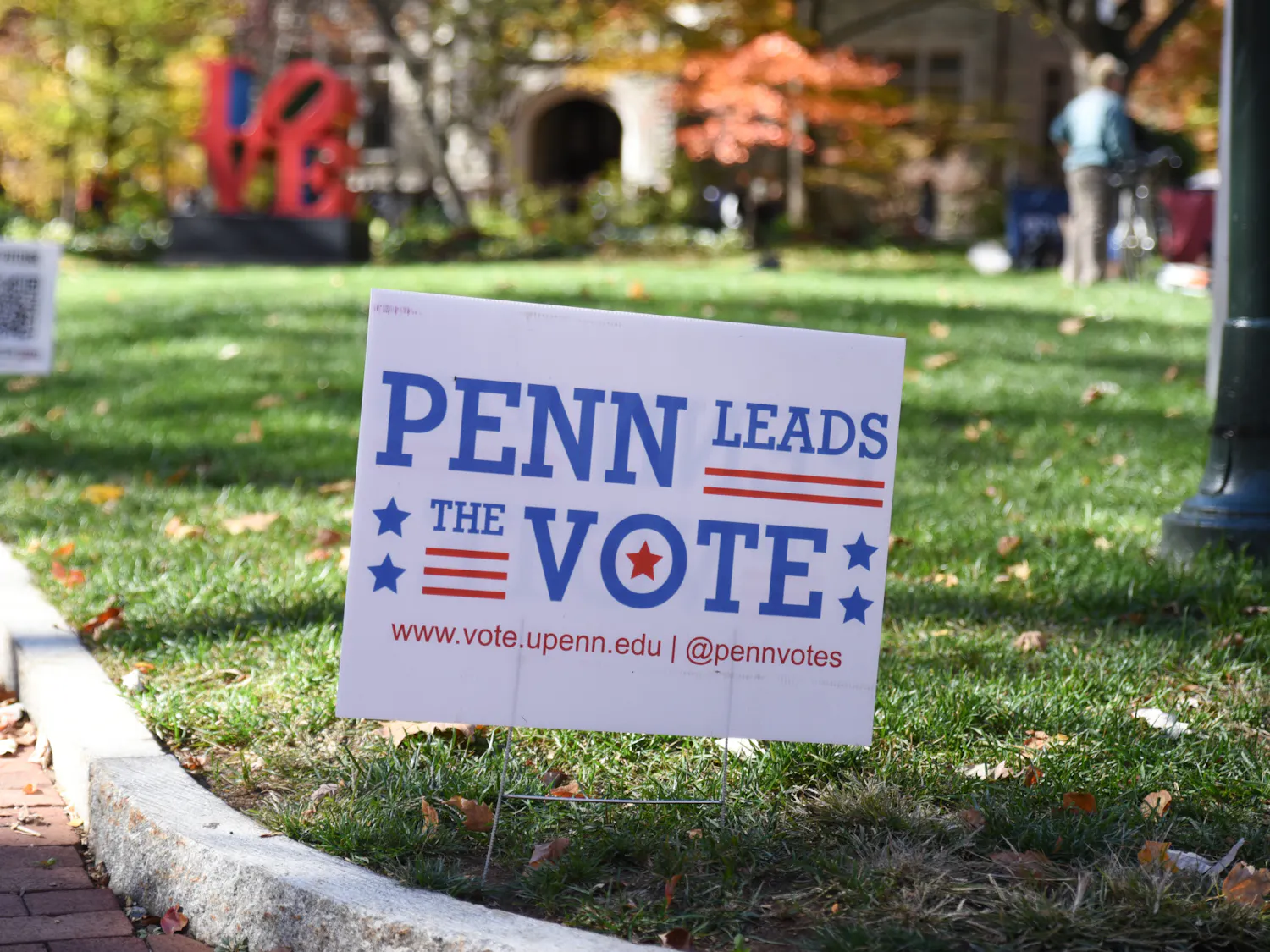
Penn student groups promote voter registration on Locust Walk
By
Mara Flores
·
5 hours ago