Democracy is dead, and the press holds the murder weapon. In a nation that pays homage to Madonna, Schwartzenegger and Rosanne, only addicts of the political sort would pay a dime to see a political candidate. "Newspapers" are obsolete, displaced by tabloids blaring out headlines about Elvis sightings and latest candidate's sexual indiscretion. And television's Cronkite and Moyers have been replaced by Phil, Sally, Geraldo and Oprah. As the pollster for Pat Buchanan's presidential campaign and director of research for Ross Perot's petition effort, I would receive more than a half-dozen press calls a day. Speaking with reporters, it was obvious where their priorities lay. Scandals were in; substance was not. We are a nation cynical about politics, with much to be cynical about. We desperately seek straight-talking candidates where there are none. We feel like pawns in deppening economic crises, but we hear blame instead of solutions. We ask for substance, but all we get are polls. We expect reality, but in politics, there are only perceptions. So we turn off, drop out and stay home on election day. No one seems to care -- at least not the press or the politicians. Too many challengers spend their energy and effort generating sound bites rather than developing sound policy. Too many incumbents believe that the way to stay in office is to mystify the political process and then sell themselves as magicians. The problem is that magicians deal in perceptions, not reality. The reality is that Washington is hopelessly out of touch: policy has become too complex, politics too distant and candidates too cute for their own good. As willing participants in the process, most candidates must accept some responsibility for the political gridlock. But they are only playing by someone else's rules. The real blame rests with the press. Let there be no misunderstanding: the press are no less important than the candidates they follow in setting the political agenda. Even the most focused, disciplined campaign can be derailed by a disgruntled employee, internal leak or "unnamed source" that appears in print. The press love dirt -- the dirtier the better. Reports and their editors and producers have little space or time for expansive intellectual discourse. They gloss over detailed policies, while a single inaccurate fact or apparent contradiction is analyzed to death. Yes, substance has been replaced with pap. The fact is, even when a presidential campaign decides to "address an issue," the primary goal is to create a visual image that can withstand the microscopic criticism of the media analysts. That is why most so-called issue-oriented debates are so high on rhetoric and so low on substance. Candidates are afraid of the press, and rightly so. It is also not surprising that the voters have stopped getting their political information from "quality" newspapers and choose instead television -- the ultimate sensationalist tool. These people have lost faith in the political system and its institutions because "quality" newspapers tore those to shreds. Yes, the American voter has a declining attention span. Yes, they lack the patience to allow each side to build a cogent argument. Yes, they buy this trash. But this is why more content, not less, is needed. The news media have enormous power in influencing candidate perceptions just by the way they present the news. For example, George Bush may have put too much emphasis on the imagery rather than the content of his "thousand points of light" speech. But he still has a legitimate complaint that the most inventive community service program since the Kennedy Administration has been unfairly ridiculed by a cynical press. The simple fact is that fallibility is more sexy and sells better than policy, and no contemporary political figure can escape the scourge of the press. We are all mortal, and humans by their very nature make mistakes. Ask ourselves: could we withstand the scrutiny of having our whole lives laid out, warts and all, for our neighbors, friends and enemies to pick through? The press are also, for the most part, equal opportunity snoops, but that misses the point. The fact is, our faith in our political leaders has been shattered because we know too much about them, and not enough about what they believe or want to do for America. Sure, the American political system survived continuing allegations about Bill Clinton's marital infidelity and repeated suggestions about Ross Perot's business indiscretions. Even President Bush had to answer personal accusations. But what are they trying to prove? Must such accusations be raised at an important news conference with Israeli Prime Minister Yitzhak Rabin? CNN's Mary Tillitson may have boosted her own career and her network's ratings, but she embarrassed the President and the nation. Lies are one thing. Undeserved political labeling or exaggerated claims of an opponent's tax increases merit press scrutiny. But personal indiscretions committed in private, often years earlier, are something else. The fact is, personal indiscretions are not new to American politics. Ben Franklin had dozens of illegitimate children and Thomas Jefferson slept with the hired help, but they still had the time and energy to create a new nation. Abraham Lincoln suffered from manic depression, but he saved the Union. None of these great leaders would have survived in today's political environment. We have the right to demand better candidates, but we must also demand media reform. Because their power is basically unchecked, the press must adhere to a higher standard of ethics, discipline and attitude. If sound-bite politics is so abhorrent, the press must stop promoting it through sound-bite coverage. If horse race politics is so superficial, they must break their addiction to polling. If scandal politics is so superfluous, they must learn to separate a political figure's public and private life -- unless it legitimately intrudes on public behavior. And if the press truly wants more substance, they must allow the candidates to offer substance without being destroyed. Years ago, elections were about educating voters. The rhetoric was emotional, but at least there was substance and at least more people voted. Now they are about scandals and horse races, and no one votes. "Do unto others . . . " has given way to "remember to pillage before you burn." Frank Luntz is an adjunct professor in the American Civilization Department. He served as the pollster for Pat Buchanan's presidential campaign and the director of research for Ross Perot's petition effort.
The Daily Pennsylvanian is an independent, student-run newspaper. Please consider making a donation to support the coverage that shapes the University. Your generosity ensures a future of strong journalism at Penn.
DonateMore Like This

A history of the Penn presidency
By
Aidan Shaughnessy
·
5 hours ago

No — AI will not wipe out humanity by 2030, Penn experts say
By
Addison Saji
·
5 hours ago

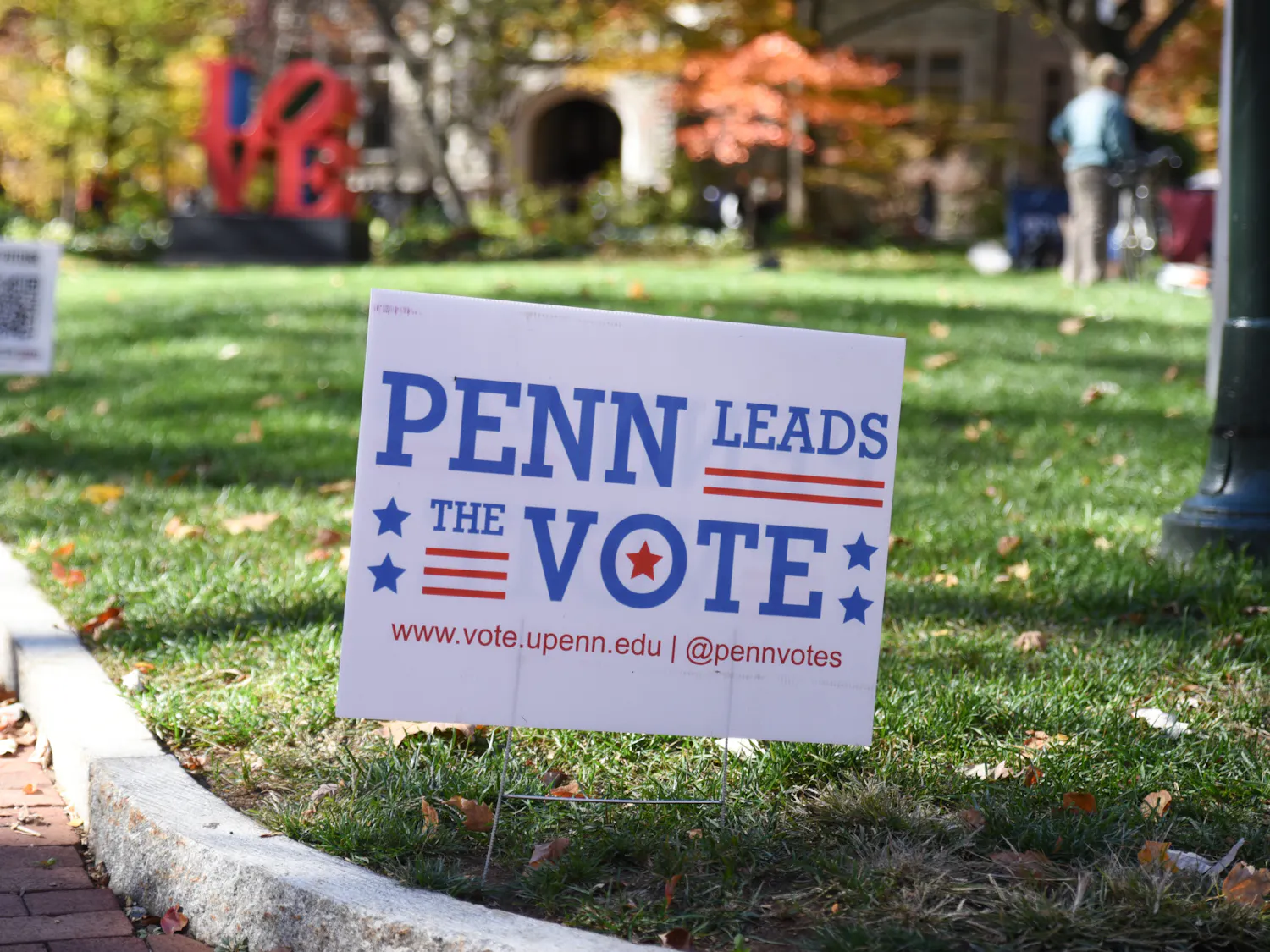
Penn student groups promote voter registration on Locust Walk
By
Mara Flores
·
6 hours ago