The 2021-22 academic year at Penn marked a return to in-person learning following the COVID-19 pandemic and major leadership transitions.
Return from COVID-19
After over a year of fully remote classes since the beginning of the pandemic, Penn announced during the summer of 2021 that the upcoming fall semester would be held in person. Students returned to fully in-person classes during the fall 2021 semester and regained access to the Pottruck Health and Fitness Center, Van Pelt-Dietrich Library, and other campus amenities.
The University announced that fully vaccinated students would no longer have to undergo regular COVID-19 testing, although all students had to participate in gateway testing upon move-in. Penn also removed nearly all indoor masking requirements for vaccinated community members.
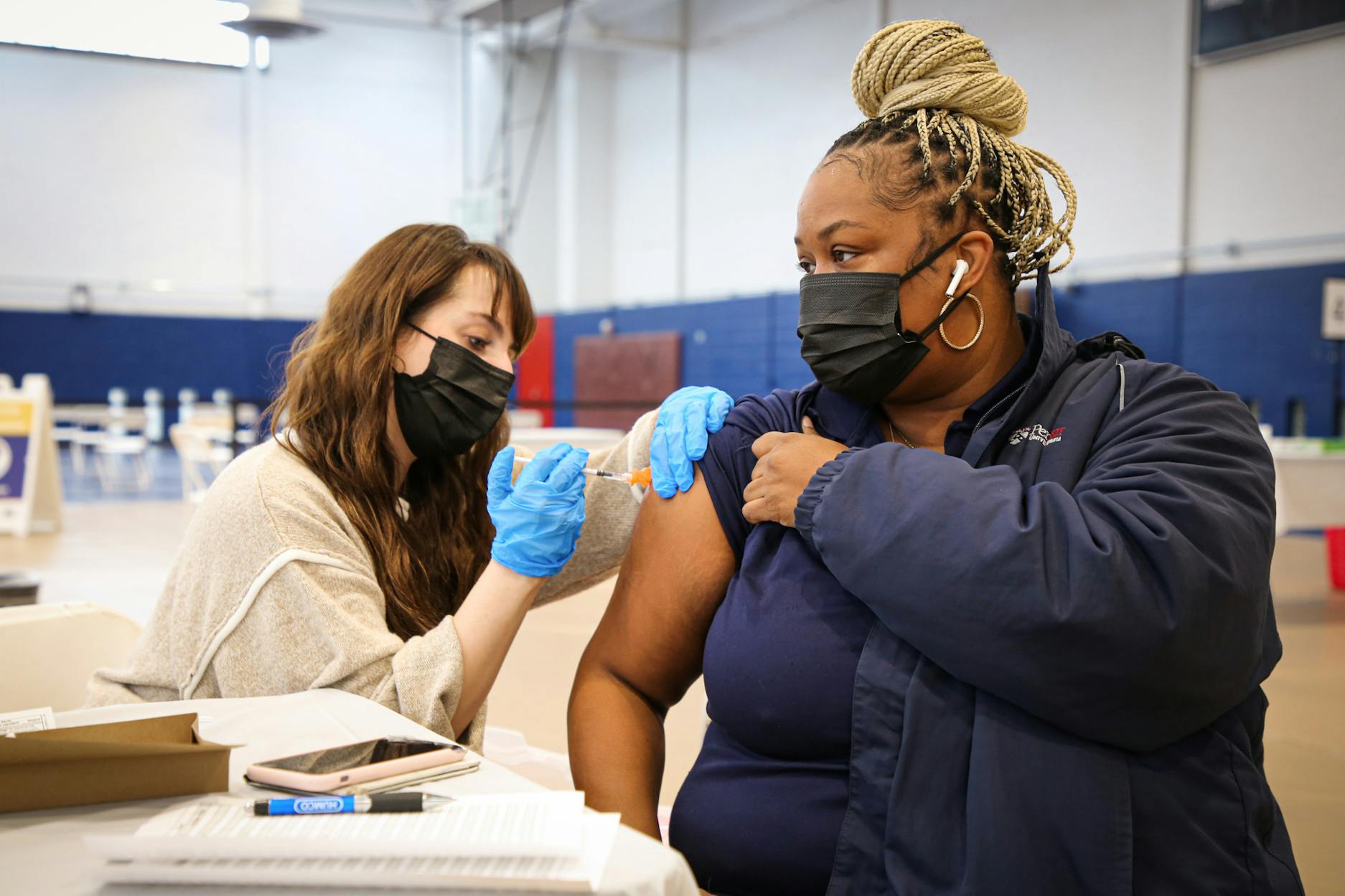
By October 2021, 99% of Penn undergraduates had been fully vaccinated for COVID-19. Penn also mandated that students receive a flu vaccine, hosting its largest-ever flu clinic that vaccinated nearly 14,000 community members.
Near the end of the fall semester, Penn’s count of COVID-19 cases rose, peaking with a record 241 new cases in a week and a test positivity rate of 2.26%. The University announced that the second week of final exams would be conducted virtually and required all students to receive the COVID-19 vaccine booster by the end of January 2022.
Penn estimated that about one in six community members had been infected with COVID-19 over the the academic year’s winter break. In response, the University made the first two weeks of the spring 2022 semester virtual and delayed spring move-in by a week. Penn reinstated indoor masking requirements — mandating students to double-mask or use a KN95 or N95 mask — until March 2022.
RELATED:
Penn motions to dismiss Penn Carey Law professor Amy Wax’s racial discrimination lawsuit
Wellness at Penn continues efforts to combat pneumonia, respiratory illnesses on campus
The number of COVID-19 cases fell throughout that semester, and in March 2022, the University reported a positivity rate of 1.28%. In 2022, all masking mandates in indoor settings — except for classrooms, medical facilities, and Penn Transit systems — were removed.
Penn presidency
In July 2021, former United States President and former Penn professor Joe Biden nominated then-Penn President Amy Gutmann to be the U.S. ambassador to Germany. By September 2021, Penn had formed a committee of Trustees, administrators, faculty, and students to undergo a search for a next University president.
In January 2022, the Senate Committee on Foreign Relations confirmed Gutmann’s nomination, and Liz Magill was announced as Gutmann’s successor one day later. Then-Penn Provost Wendell Pritchett was selected as Penn’s interim president until Magill was unanimously confirmed by the University Board of Trustees, beginning her term as University president on July 1, 2022.
National controversies
In November 2021, Penn’s Gene Therapy Program faced scrutiny for having a toxic workplace environment. Eleven employees alleged inappropriate office behavior and extreme work disorganization in interviews with The Daily Pennsylvanian. Top University officials allegedly manipulated a Perelman School of Medicine investigation into these abuse allegations to protect its financial interests.
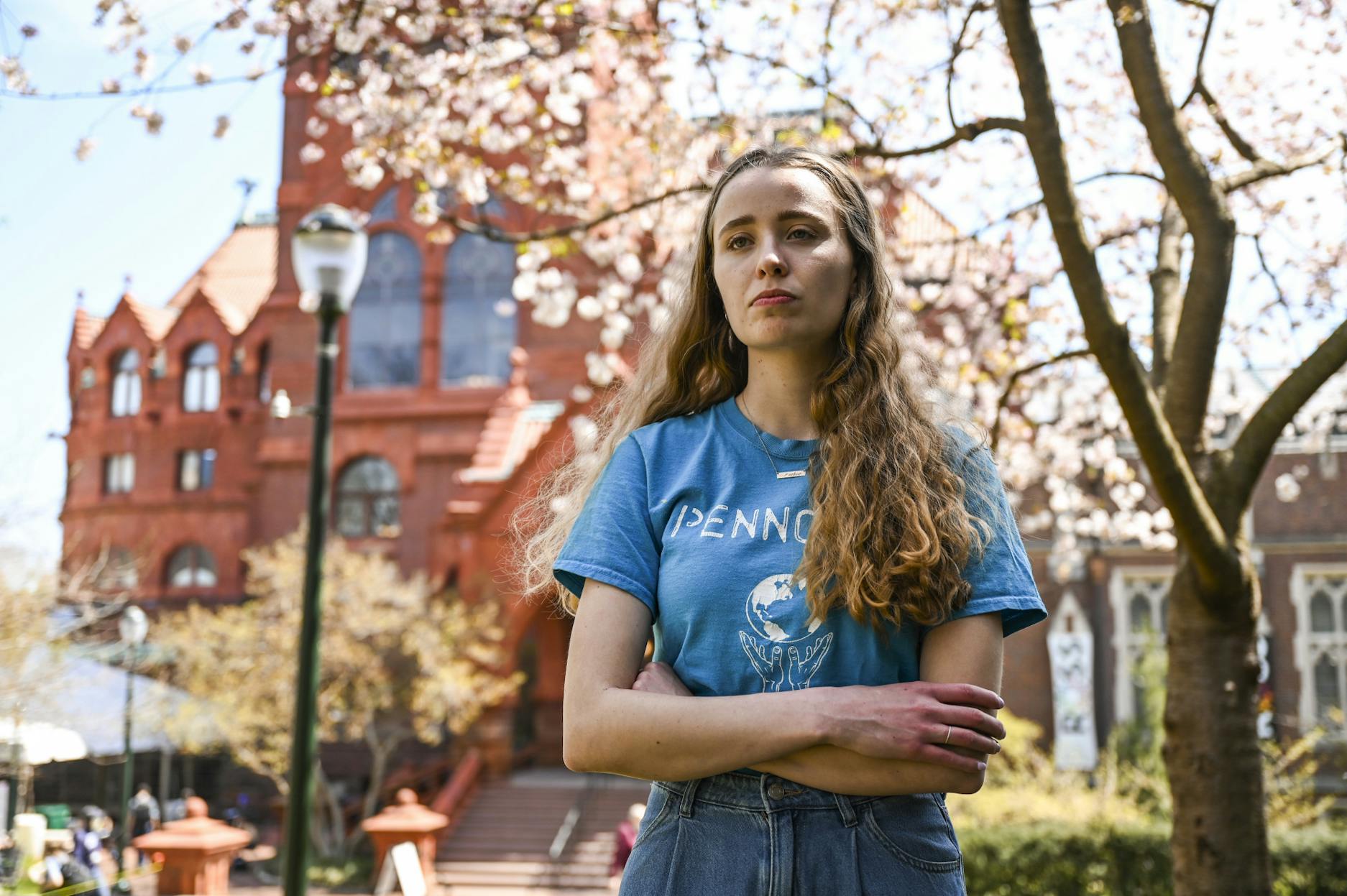
In January 2022, former Rhodes Scholarship recipient Mackenzie Fierceton, a 2021 School of Social Policy & Practice graduate and 2020 College graduate, filed a lawsuit against the University for its inquiry into allegations that challenged her claim as a survivor of abuse and her status as a first-generation, low-income college student. Penn had placed her master’s of social work degree on hold but lifted it in April 2022 following public outcry.
University of Pennsylvania Carey Law School professor Amy Wax made inflammatory remarks about Asian Americans and U.S. immigration policies, prompting calls for her suspension in January 2022. Former Penn Carey Law Dean Theodore Ruger began the University sanctions process against Wax in the same month to determine if she had violated standards of behavior.
Wax argued in an interview that revoking her tenure would undermine academic freedom. A few months later, she reiterated her racist remarks on national television.