SEPTA implemented the first phase of a multi-year overhaul to its bus network last week.
The “Bus Revolution” — which includes changes to 30 routes — features a new pathway for Route 79, which will run from University City to South Philadelphia. The network redesign has been in the works for five years, according to Senior Operations Planner Brandon Miller.
The transit agency recommends that those in University City take Route 79 rather than Route 49, which previously serviced the area. Route 49 will operate at 40th Street and Woodland Ave, but no longer serves Grays Ferry and other areas. Route 49 also shortened its operational hours.
Route 79 has been extended to 40th Street and Market Street in an attempt to “create a new connection between South Philadelphia and the growing job center of University City.”
The route also serves as a “frequent red” stop, which the transit agency rolled out to indicate buses that are scheduled to arrive within 15 minutes on weekdays from 6 a.m. to 9 p.m.
Miller said that the overhaul was set in place to “help people move around better.” He said that the previous bus system did not account for changing — and declining — numbers of how individuals were moving around Philadelphia.
The final phase of the plan, set for implementation in 2027, will reduce the total number of routes from 124 to 106.
Miller added that Route 49 was largely cut from the University City region due to a lack of “end-to-end ridership.”
RELATED:
Penn Transit revamps maps, renames bus routes
Meet three Penn-affiliates campaigning to represent University City
“What we’re doing is redistributing our resources to better match how customers are traveling today,” Miller said.
Greyson Forster, a College junior and the executive chair of the SEPTA Youth Advisory Council, told The Daily Pennsylvanian that the previous bus routes were formed based upon previous trolley lines.
“The issue is a lot of those routes haven’t changed while the structure and economic ebbs and flows and populations of our cities have changed,” he said.
Forster contextualized the changes with SEPTA’s tenuous financial situation, which partly caused the delayed implementation of the bus changes.
“You can’t look forward if you don’t know the lights are going to be on tomorrow,” Forster said.
After planning began in 2021, the Bus Revolution was shelved in November 2024 — despite an original launch date of 2025. The current rollout represents an abridged version of the original project.
“So it was paused, and when SEPTA got the flex funding from the state, Bus Revolution was back on the table, but in a much weaker way,” Forster said. “The changes we see now — all three phases — are not the initial idea.”
John Golden, SEPTA’s senior press officer, wrote that the current overhaul is “focused on enhancing reliability and service frequency and will help riders travel more efficiently throughout our area.”
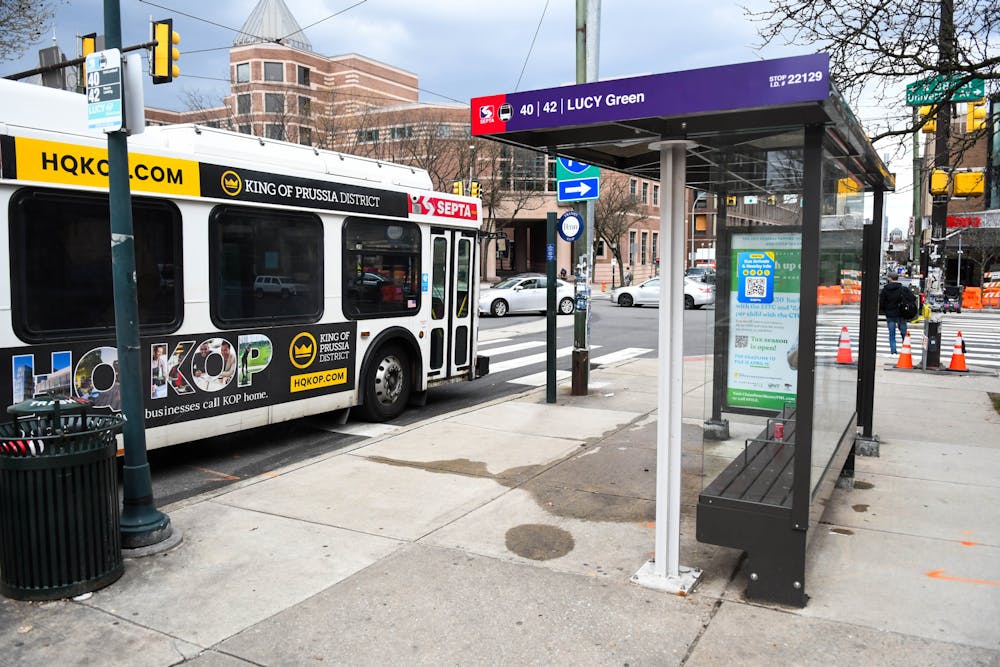
According to Forster, SEPTA has changed bus signs around University City alerting riders that routes will be removed, added, and changed.
Golden wrote that “with new maps and signs, riders will be able to navigate the system more easily.”