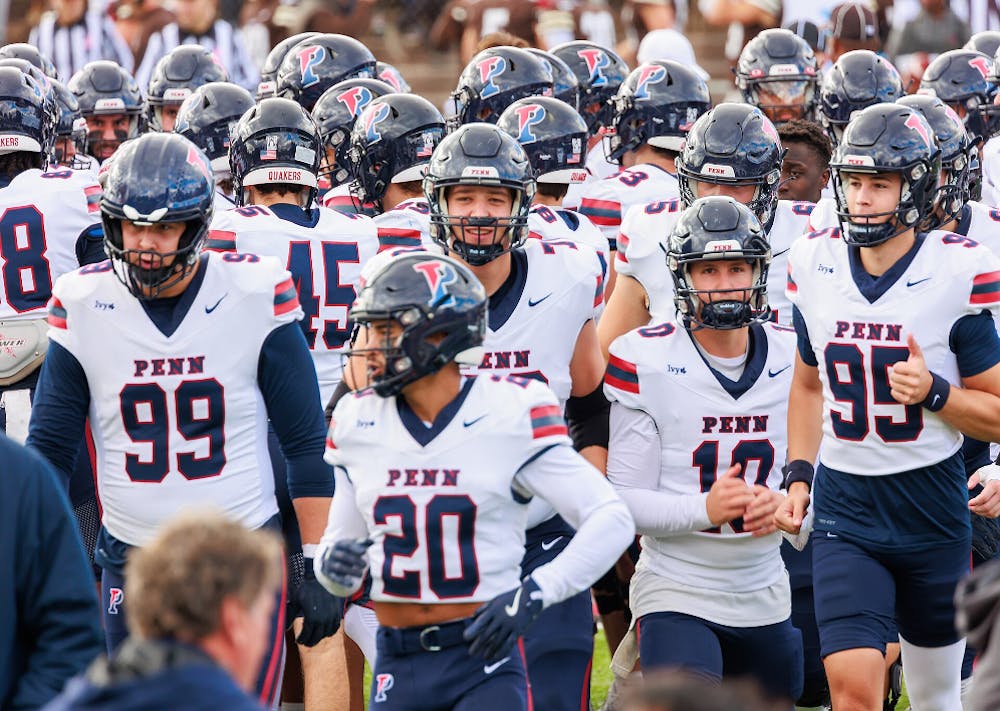
If the transfer portal for major Division 1 college sports seems busier than ever, that’s because it is busier than ever. Each and every year, across football and basketball specifically, it seems as if collegiate athletes are switching schools in droves.
Shorter transfer windows drive the perception to some extent. College football, for instance, has reduced its offseason transfer window to a period of two weeks. Truncating all of that business can make it seem as if transfers are happening in avalanches. In reality, it is more like mushrooming bursts.
Still, the overarching increase is real. Most believe compensation is at the heart of it. And, well, they are correct—to a point. Though the Naming, Image and Likeness (NIL) rules that took effect back in 2021 play a role, they are separate from compensation. The latter refers to the revenue sharing schools can give to athletes; the former refers to their ability to capitalize on their name, image and likeness with endorsement deals and branding opportunities.
On its face, this shouldn’t seriously impact transfer portals. Much like professional sports, D1 collegiate programs are considered to have endless financial resources. Money shouldn’t be the guiding issue behind bigger names changing schools.
That perception is understandable. Coaching salaries are through the roof. Locker rooms are something more than state of the art. As the folks over at OnlineSportsBetting.net explain as part of their sportsbook reviews, college basketball and football are among the biggest drivers of the sports gambling business. Factor in jam-packed stadiums or arenas, as well as broadcast-right deals, and the college-sports programs are flush…right?
The Financial Realities of College Sports Have Changed
Wrong.
The financial realities of college sports are shifting. In particular, the cost of roster retention is through the roof in the pay-for-play era, as Max Olson breaks down for “ESPN, while specifically discussing college football’s transfer window:
A common refrain when talking to GMs this month, especially those at top-25 programs: The public still doesn't understand how expensive it is to retain the roster. Fans frustrated that their team's transfer portal class isn't as star-studded as they hoped need to recognize how much time, effort and money is being directed toward putting out fires and keeping players out of the portal in December and January. In fact, some schools were still trying to make last-minute pushes this week for players who'd already re-signed.
“Among the 18 programs that cleared 50 percent in Bud Elliott's Blue-Chip Ratio for 2025, only five are getting through this two-week period with limited scholarship departures: Texas A&M (11), Clemson (12), Georgia (14), Notre Dame (15) and Miami (eight so far).”
Revenue-sharing alignments run millions of dollars each year. This is nothing to pro-sports franchises with multi-billion-dollar valuations. But it’s a different climate for universities.
As recently as 2023, the “median Division I athletic department posted a $22 million net loss,” according to Douglas Scott, the chief strategy officer at NETWORK. These reported losses come despite college sports TV deals remaining on the rise.
Don’t Expect the Transfer Portal to Slow Anytime Soon
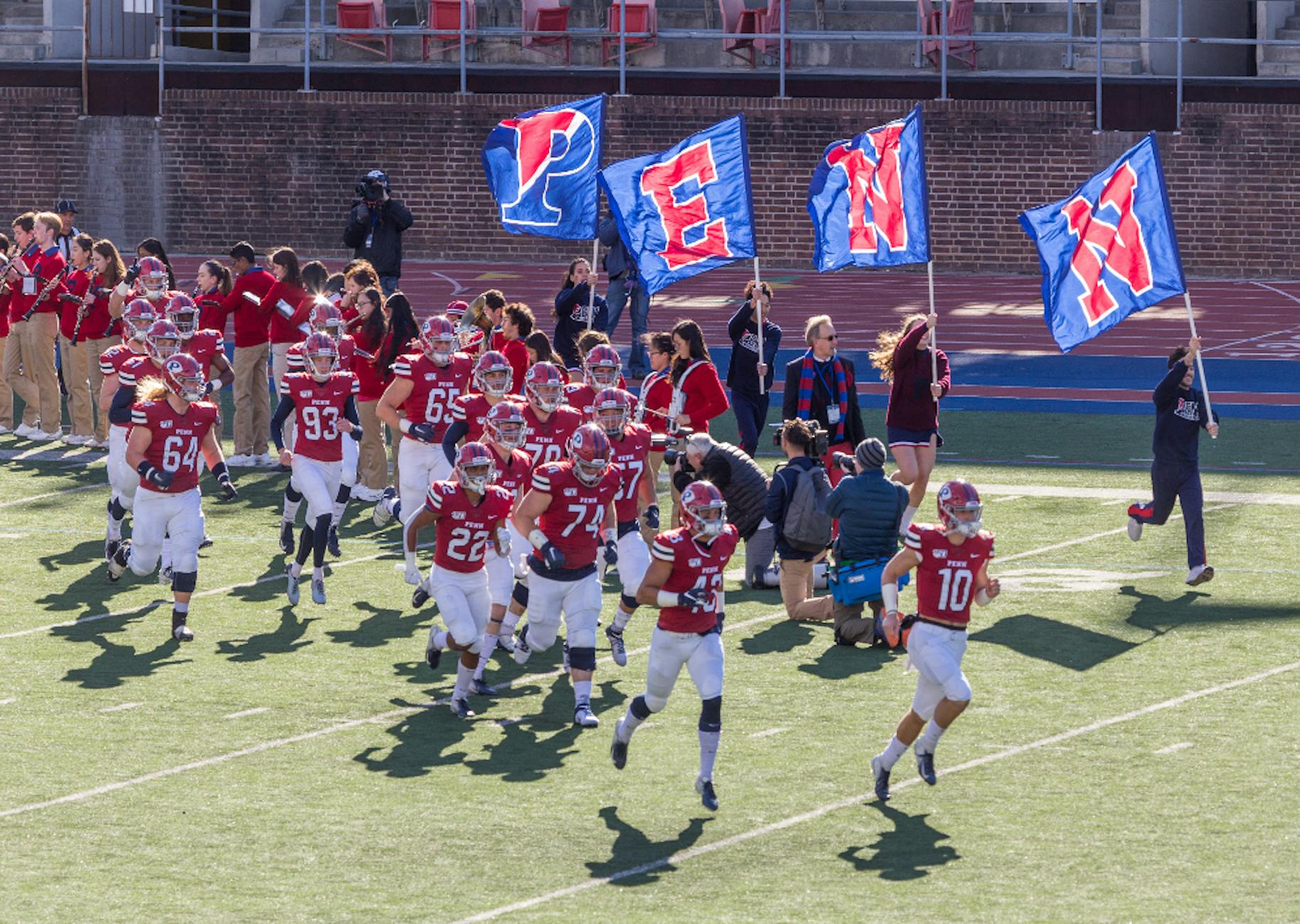
“Penn Football Players in 2019” Licensed Under CC BY-NC-ND 4.0
A variety of factors are at play that impact the bottom line for Division I programs. And just so we’re clear: It has little to do with NIL rights themselves. Again, the money and opportunities there are separate from what financial compensation colleges can actually provide to players.
Even so, criticizing the pay-for-play model is also an incorrect approach. Student-athletes are not schools’ only expenses. Like we already mentioned, coaching and staffing salaries can be lucrative. And this says nothing of what it costs to renovate, refurbish or rebuild and then maintain facilities.
All of which contributes to certain programs struggling to keep core rosters together year-over-year. While that isn’t necessarily a good thing for college sports, it is hardly proof that athletes shouldn’t be compensated for their abilities, either.
If anything, the increased action of the transfer portal begs for additional reform. More pointedly, it is a sign that the entire process, from the top on down, must be more transparent. Schools and their athletes should be more like collaborative partners on the financial front, and pay-to-play rules should be outlined in the image of the new financial climate.
Whether these types of changes are on the menu remains to be seen. As of now, a more transparent and collaborative approach doesn’t seem to be on the horizon. But if the transfer portal continues to be this robust each year, something will have to give. It always does.