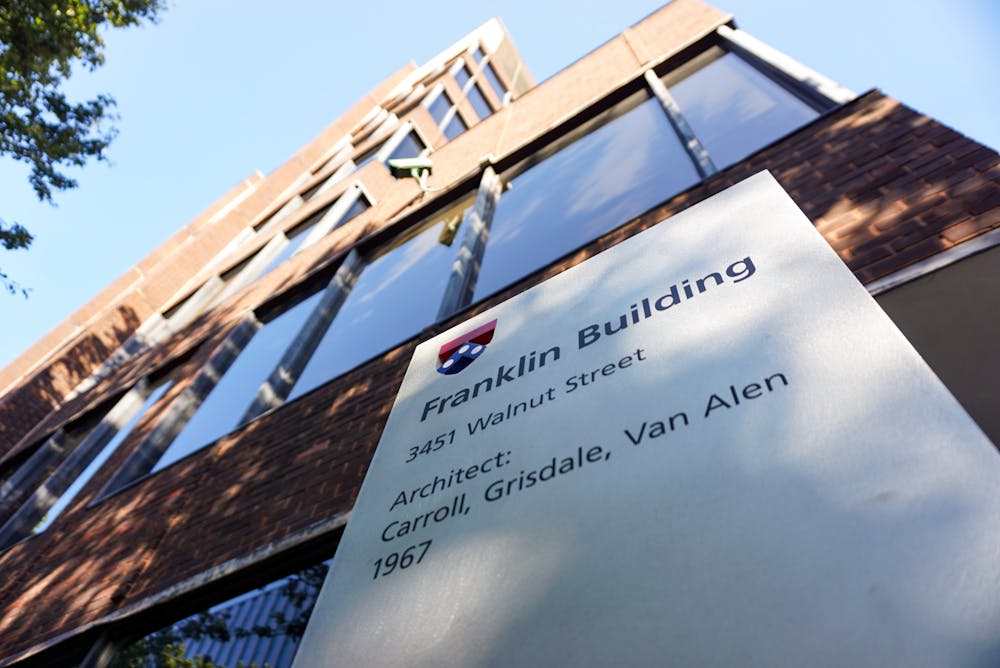
Senior administrators from Penn’s Office of Religious and Ethnic Interests — the University's Title VI office — discussed the progress and initiatives they have undertaken since the program launched six months ago.
OREI opened in December 2024 due to recommendations issued by the University Task Force on Antisemitism and the Presidential Commission on Countering Hate and Building Community in response to rising incidents of antisemitism, Islamophobia, and other religious biases on Penn’s campus. Faculty from OREI spoke to The Daily Pennsylvanian about the first six months of the office's time on campus.
The office's name — which originally stood for “Office of Religious Equity and Inclusion" — was changed in spring 2024 amid University-wide rollbacks of DEI language, initiatives, and programs responding to federal directives.
“Religious and Ethnic Interests best describes our overall scope of responsibility, consistent with the University’s approach to combating bias and discrimination at the University,” OREI co-director Steve Ginsburg wrote in a statement to the DP.
OREI has received “numerous requests for consultations” from students, faculty, and staff, according to Associate University General Counsel and OREI Chief Investigator Deborah Frey. In a statement to the DP, Frey wrote that the office has handled issues “related to national origin, shared ancestry, religion, and ethnicity,” including concerns about social media posts that “may be considered biased.”
Ginsburg wrote that his team works to address requests within 48 hours and to then “schedule meetings with individuals, hear the concerns, and identify the best options for resolution of the concerns.” For issues outside the office’s purview, Ginsburg said that they offer students referrals to other campus resources.
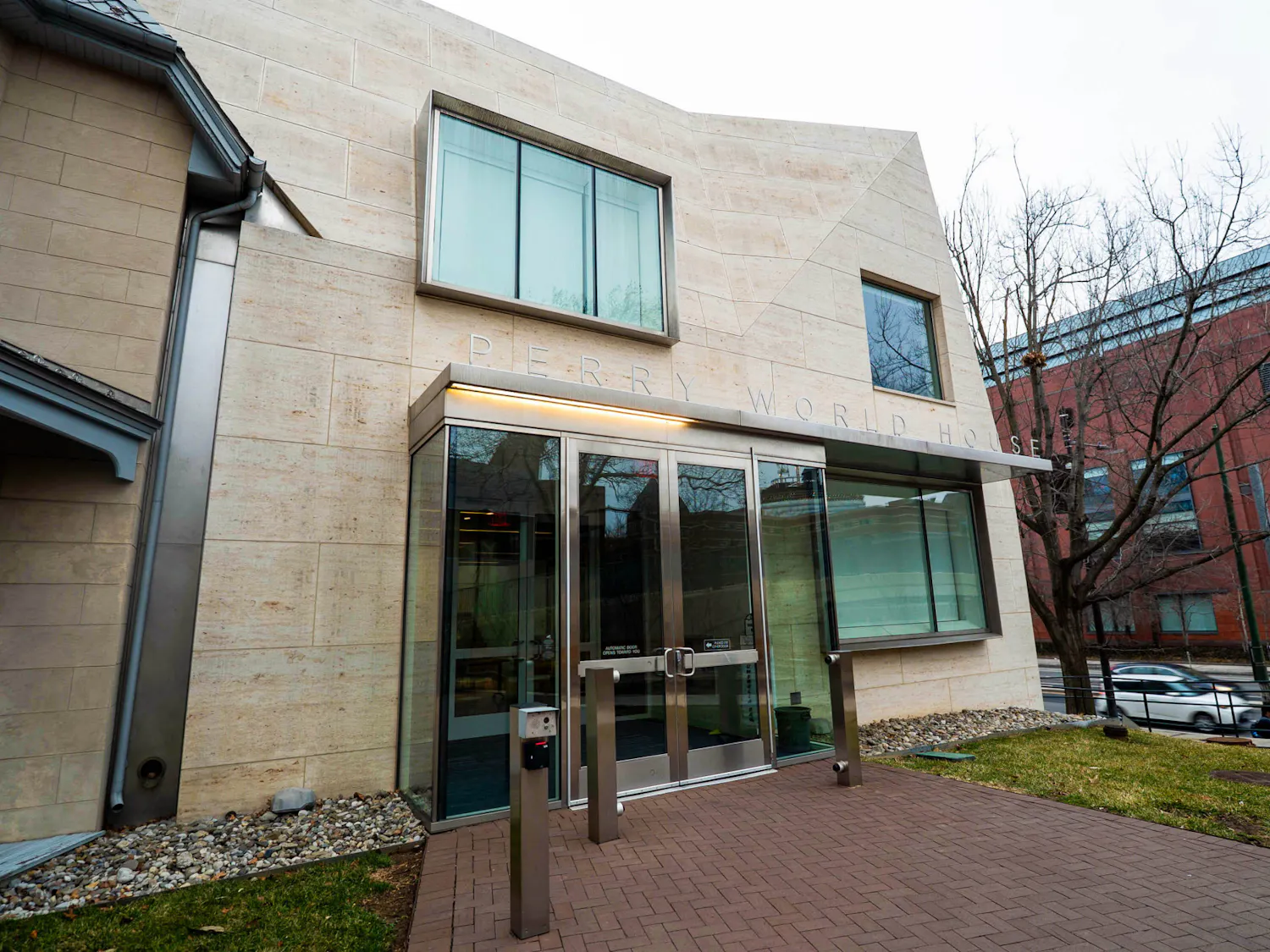
OREI co-director Majid Alsayegh added that OREI has prepared "a number of training programs" for various audiences within the Penn community — including administration, student groups, and Perry World House event attendees. They have also planned to integrate a "video training module on Title VI" into New Student Orientation this August.
Alsayegh also noted the "broad support" OREI has received from "every facet of the University," adding that the team's efforts have been "welcomed by the Penn community."
RELATED:
Penn’s Office of Religious and Ethnic Inclusion opens in effort to address trends of religious bias
Federal judge dismisses lawsuit alleging insufficient University response to antisemitism
"Our efforts have been welcomed by the Penn community," Alsayegh wrote. "When reaching out to discuss sensitive issues, most members of the community have been responsive and work to resolve issues in good faith."
In the fall 2024 semester, Ginsburg and Alsayegh met with faculty, student, and staff representatives to discuss challenges the student groups had faced — and potential future initiatives — with students.
"We continue to have meetings and to reach out to groups to hear concerns," OREI Program and Case Manager Sarah Estey wrote to the DP. "We meet with the chaplains and religious leaders, University Life, the Office of Equal Opportunity Programs (OEOP), and the Department of Public Safety (DPS) on a routine basis."
Wharton senior Mouctar Diarra told the DP that OREI has "creat[ed] a dialogue" that helps resolve issues.
Diarra — the current president of Penn's Muslim Students' Association — was first introduced to OREI in fall 2024. At the time, Diarra recalled learning about the office's goals and "how it would fit in the broader Penn administrative ecosystem."
"I think myself, and other people, expected the office to be very investigative, and disciplinary," Diarra said. "But [Alsayegh's] interest and his enthusiasm about the office was helping people learn about the bias itself, and creating a a dialogue to help resolve that situation, rather than having to escalate towards investigative measures."
College junior Gabe Greenfield echoed this sentiment, explaining that Alsayegh and Ginsburg seem "committed" to "breaking down any barriers between various communities on campus."
Greenfield — who helps run the campus initiative Breaking Bread — hosted an event with Paideia to promote dialogue, which Alsayegh attended.
Diarra noted that the way OREI "is approaching these situations is very respectful," and classified it as "necessary" and "beneficial for the Penn community."
"The greatest benefit from the office is trying to centralize complaints and working towards earning the trust of students so that students feel comfortable going to them," he added, citing how student leadership can feel "burdened" by the issues.
Greenfield emphasized the importance of giving "momentum" to "positive interactions" rather than "talking more about the negative" aspects of a situation.
"I think it's really important that it's targeted from both sides — both from the top down in terms of the office and also bottom up in terms of initiatives like the one that I created," Greenfield said. "To create that space in between for that positive rhetoric and talking about real efforts to bring people together … and not just diffuse a negative situation, but build a more positive situation."
RELATED:
Penn’s Office of Religious and Ethnic Inclusion opens in effort to address trends of religious bias
Federal judge dismisses lawsuit alleging insufficient University response to antisemitism
Ayana Chari is the assignments editor at The Daily Pennsylvanian and can be reached at chari@thedp.com. At Penn, she studies political science. Follow her on X @AyanaChari_.
Jasmine Ni is the Executive Editor of The Daily Pennsylvanian, Inc. and can be reached at ni@thedp.com. At Penn, she studies English and political science. Follow her on X @JasmineNi_.