St. Albans School '92 Bethesda, Md. University students will not escape the rising costs of higher education this fall. Next year, both undergraduate and graduate students can expect to see a 5.7 percent increase in their tuition bills, administrators announced at the annual budget briefing in March. Acting Director of Resource Planning and Budget Benjamin Hoyle said increases in tuition and fees are necessary to finance rising costs of operating the four undergraduate schools at the University. Those schools receive over 80 percent of their funding from tuition dollars, he said. "Compared to other institutions of our size, we're a little more tuition-dependent," Hoyle said. "Plus, we have a much smaller endowment." Next year's budget will continue a trend that has reduced the rates of increase in undergraduate tuition and fees since the 1988-89 academic year, when students were hit with an 8.9 percent increase. The budget, approved by the University Trustees days after it was announced, states that undergraduate tuition and mandatory fees will total $18,856 for the 1994-95 academic year, lower than the four other Ivy League schools that had already approved their budgets. Mandatory fees include a $250 technology fee for computing and e-mail costs, as well as $1,586 for the general fee, a $100 hike over the current general fee. The overall charge to undergraduates will rise by 5.6 percent -- or $1,380 -- to $25,822. This total charge assumes students will pay $4,272 for a dorm room from Residential Living, $2,624 for 15 meals a week from Dining Services and a $70 ResNet fee. The tuition and fees charged for a graduate student's education will rise 5.8 percent to $19,740. Of the five universities that do have figures for next year, Brown will charge the highest tuition and mandatory fees, $20,028 -- a 5.1 percent increase over the current year's rates. Dartmouth College will raise its tuition and fees 6.9 percent, from $18,375 to $19,650 -- the largest percentage increase made by an Ivy League institution for next year. Students at Princeton University will see a 5.3 percent increase in their tuition costs, set to be $19,900 next year, while Cornell's tuition rates for students in the endowed colleges will be up 5 percent to just under $19,000. At the budget briefing, Hoyle said he is confident that the University's tuition and fees remain below the rates of the other Ivy League schools.
The Daily Pennsylvanian is an independent, student-run newspaper. Please consider making a donation to support the coverage that shapes the University. Your generosity ensures a future of strong journalism at Penn.
DonateMore Like This

A history of the Penn presidency
By
Aidan Shaughnessy
·
20 hours ago

No — AI will not wipe out humanity by 2030, Penn experts say
By
Addison Saji
·
20 hours ago

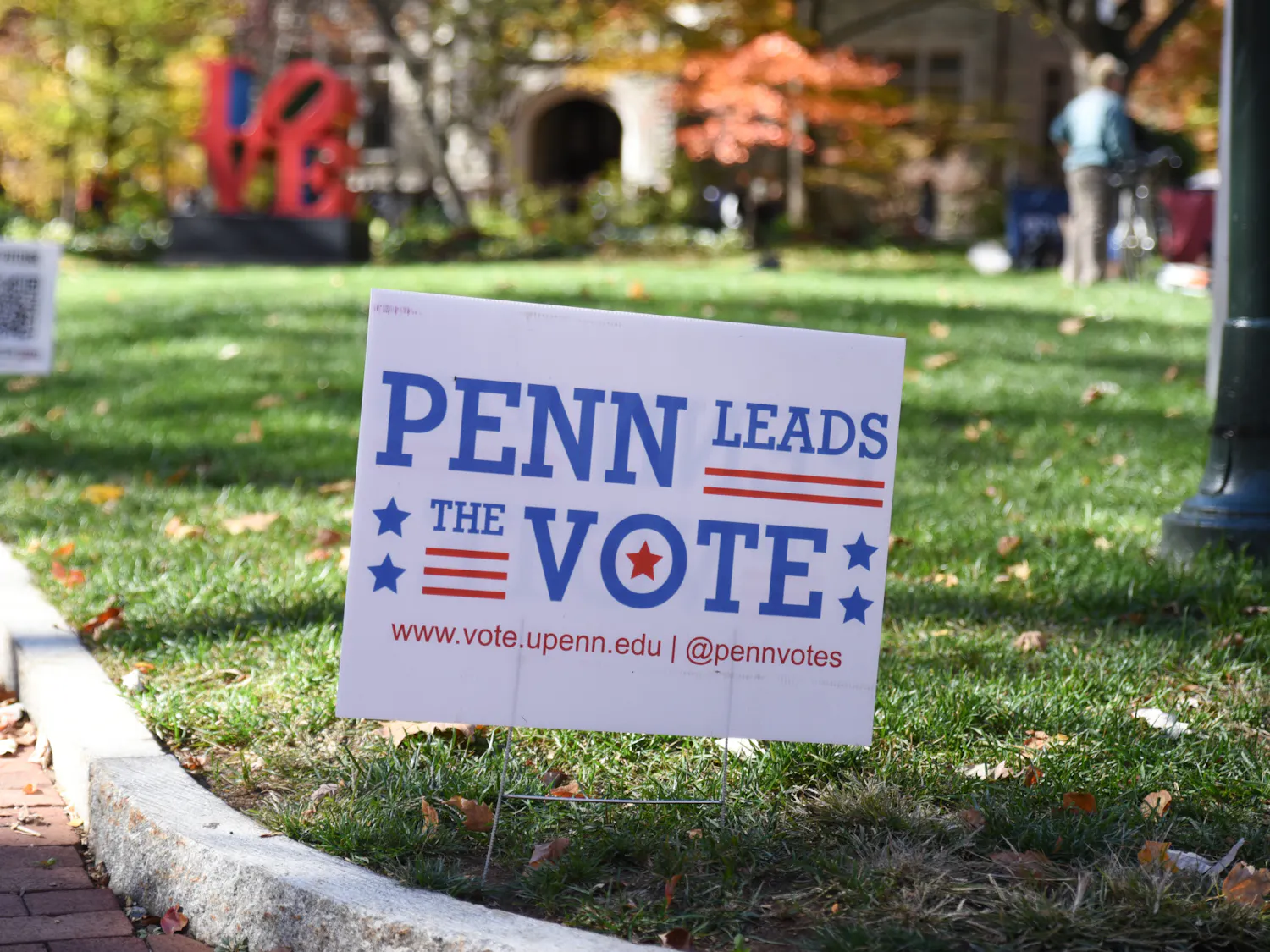
Penn student groups promote voter registration on Locust Walk
By
Mara Flores
·
20 hours ago