When I met Officer Gary Heller at the University Police Station a little before 9 p.m. Friday for my first ride-along in a police car, I was ready to see some action. I had been reporting on crime for a couple of months. I knew about the robberies and muggings. I knew about the car thefts. I knew about the young kids walking through campus at night breaking windows and stealing bikes. Now, I thought, I would be with the police as they rushed to the scene of the crime. I would see them pull a robber away from a defenseless student, handcuff him and take him downtown. But that's not exactly what happened. In fact, there was not really much that happened at all in the way of crime. "It's a slow night, but I can't complain," Heller said as we checked a half-empty parking lot for possible car thieves on the east end of campus. "When it's slow, there's no one getting hurt." After almost an hour of driving around the Nursing Education Building and nearby deserted parking lots, I was beginning to think I had sacrificed my Friday night for nothing. But as we talked, I realized there was more to being a University Police Officer than busting bad guys. "There's Sweet Thomas," Heller said, pointing to a man walking on Walnut Street near 34th Street. "He's one of our regulars. He's a street person who's HIV positive. He thinks its fun to go around kissing people." I asked Heller how he knew Sweet Thomas. "There are a lot of street people we know on a first name basis," Heller said. "Most are harmless, but some get into trouble. We could make a hobby of arresting them, but our primary job is to see that they're taken care of." "There's only so much you can do," Heller added. "We refer them to places where they can find food and clothing. A lot of the time, though, you find that they don't want to accept that kind of help." We turned off Walnut Street and headed down Sansom Street toward the White Dog Cafe. Heller slowed the car and rolled down the window. "Hey Nieci," Heller called to a woman standing on the sidewalk. "How's it going tonight?" The woman nodded, but didn't say anything. She had two girls standing by her, talking and laughing. Heller rolled up the window and drove on. "She's also HIV positive," Heller said. "I've found she really doesn't want to go to the shelters. You can't make them go." I asked Heller how he knew which of the homeless people around campus are HIV positive. "We've had some arrested before," Heller said. "They run tests [at the station]. A lot of streetpeople have hepatitis or are HIV positive. It's a danger that you've got to deal with [as a police officer]." I asked Heller why he had decided to become a police officer. "It's something I've always wanted to do," Heller said. "When I was a kid I was in a really bad accident. We were driving back from my grandmother's in my dad's truck. There were these kids who had been drinking and were driving a stolen car. They hit us and I was thrown from the car." "An off-duty police officer stopped, scooped me up and took me to the hospital," Heller added. "When I got there I was pronounced clinically dead. There's no doubt that if he hadn't stopped when he did, I would be dead." Heller said that he called the police officer who saved him on the day he graduated from the Philadelphia Police Academy. Heller added that he is content being a police officer and enjoys working for the University. "It's a good place to work," Heller said about the University Police Department. "Its strength is in the people working for the organization. [UPPD] has a very professional staff, that know what they're doing and like doing their jobs." As we drove on through dark parking lots and alleyways, Heller talked about breaking up fraternity parties. "We're not here to card people at parties," Heller said. "We don't usually know in advance when or where the [Liquor Control Enforcement] comes." "I mean if people are having a good time, hey, more power to them," Heller said."It's only when people are getting hurt or when there are lots of complaints about the music that we have to [intervene]." Heller added he thought many students consider the police a "necessary evil," not realizing that the UPPD is here to serve them and meet their needs. About this time, we were on our way to answer the last call of the evening. Heller was assigned to pick up a student at Dunlop Auditorium who was sick from too much alcohol. Heller and some of the student's friends helped him walk from the bathroom to the police car. Heller handled the rather disgusting situation with ease. He didn't lecture the student or moralize. He simply took him to the emergency room without hassle or delay. "My first priority is the student's health," Heller said. "I really wish I could take as many students on a ride-along as possible," Heller added as we pulled into the station at the end of his shift. "I want them to see what I do -- let them know that I'm a sworn officer, that I'm here to help them."
The Daily Pennsylvanian is an independent, student-run newspaper. Please consider making a donation to support the coverage that shapes the University. Your generosity ensures a future of strong journalism at Penn.
DonateMore Like This

A history of the Penn presidency
By
Aidan Shaughnessy
·
9 hours ago

No — AI will not wipe out humanity by 2030, Penn experts say
By
Addison Saji
·
9 hours ago

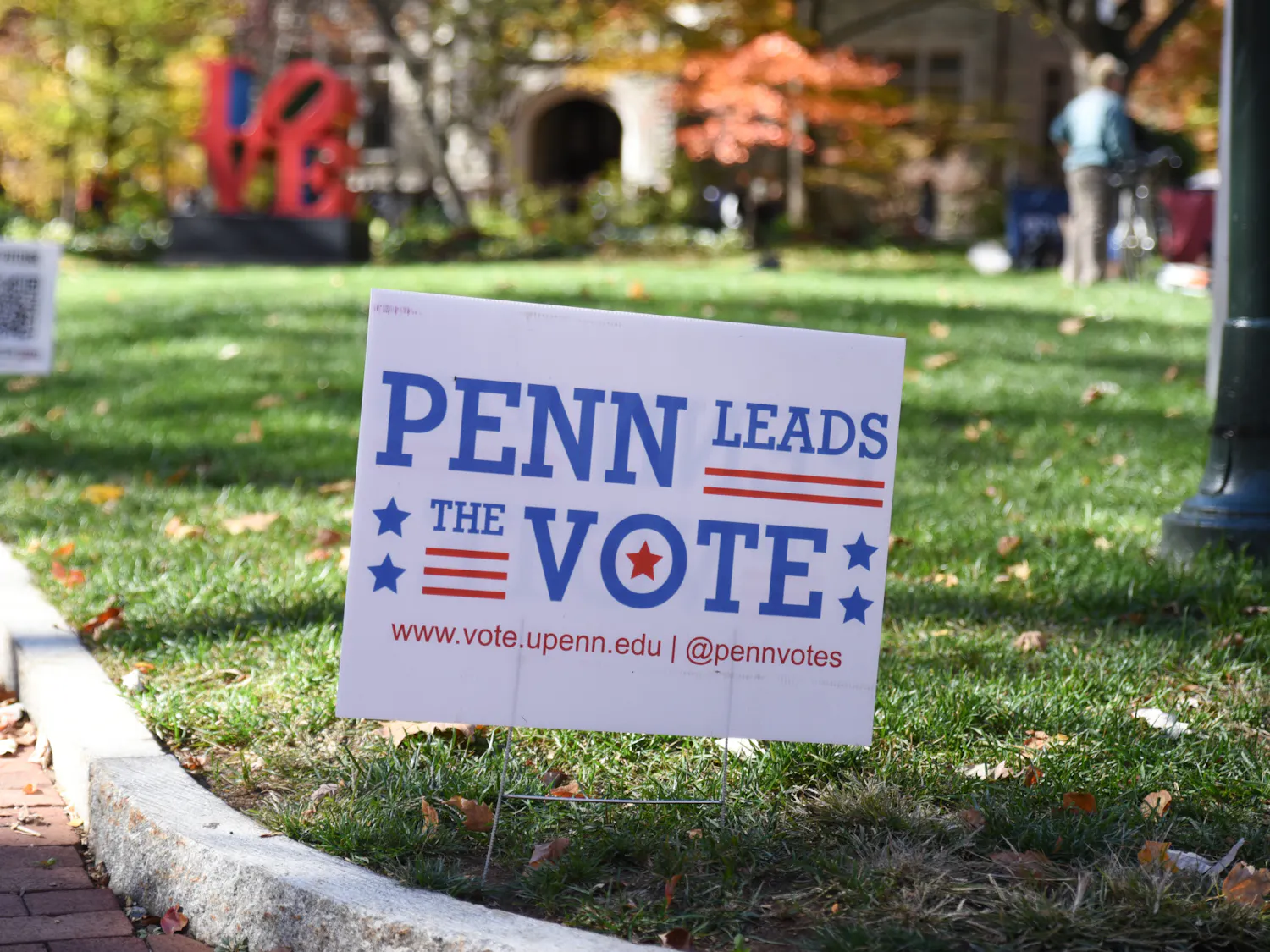
Penn student groups promote voter registration on Locust Walk
By
Mara Flores
·
9 hours ago