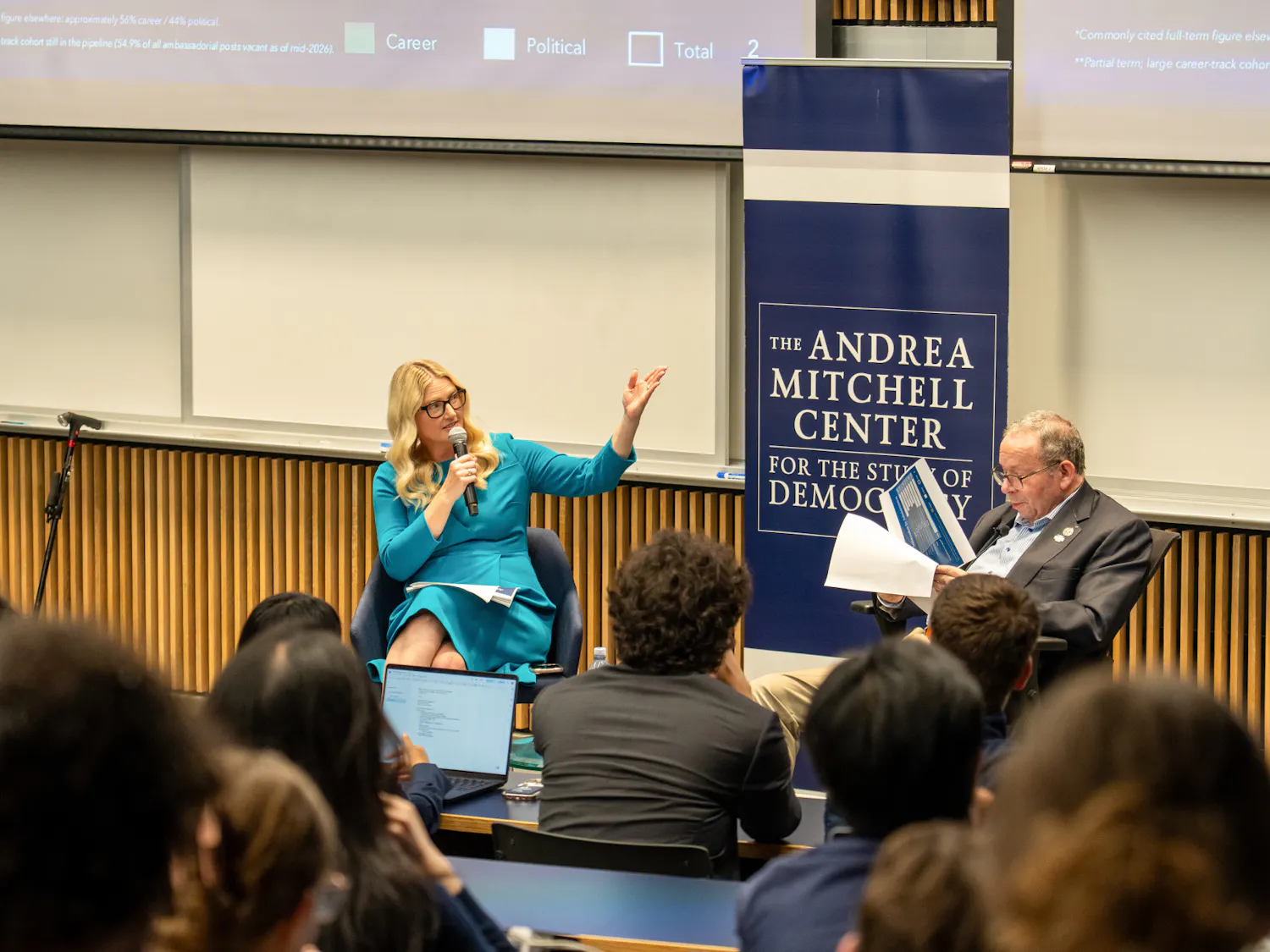
Indian Ambassador to the United States Abid Hussain discussed India's future role as a superpower earlier this month, stressing the importance of democracy and a free market economy in the country's growth. The campus speech was sponsored by the International Affairs Association as part of its ambassador lecture series in conjunction with the South Asian Society. He said he felt that India should have an important and positive influence in Southeast Asia but stressed that India did not want to become a superpower like the Soviet Union or the United States. "India does not claim to be a superpower and does not want to become one," he said. Hussain discussed how the end of the Cold War has changed global politics. He said he believes that the collapse of communism led to a weakening of the importance of ideologies, an end to empire building and the end of the notion of superpowers. He said he felt that joint coalitions of nations, such as the United Nations and the joint force that fought in the Gulf War, would become the new standard. He added that democracy was slowly becoming the global norm. "The collapse of authoritarian socialist governments shows that the socialist dream of equality must be balanced with liberty," Hussain said. He also noted the changes in South Africa as an example of the growth of pluralism worldwide. Hussain then spoke about the importance of free market economies while pointing out the American sense of dissatisfaction with its capitalist economy. He then went on to discuss how India was rising to these new global standards. He noted how his nation's democratic institutions had remained free and stable over the 50 years since its independence. He also pointed out India's reliance on free and fair elections, not martial law and military takeovers, to bring about political change. Hussain continued by speaking about India's devotion to pluralism in a nation that is a "beautiful mosaic" of languages and cultures. "Not through bullets, but only through ballots can we resolve ethnic problems," he said. Hussain theorized on India's and the United States' role in a rapidly changing world. He said he felt that India was ready to play a more important role in the region and the world but could not do it alone. He said he felt the politics of the Cold War pulled the two nations apart but that the end of security concerns about the former Soviet Union would draw them together again. Hussain also said he felt the democratic traditions of India serve as an example to the rest of Asia. But Hussain said he believed that India could only play a significant role in a new world order through economic and political aid from the United States. "He was an impressive speaker," Engineering junior Vijay Karnani said. "I feel confident that when I return to India after college, I will be proud of its democratic and economic growth."
The Daily Pennsylvanian is an independent, student-run newspaper. Please consider making a donation to support the coverage that shapes the University. Your generosity ensures a future of strong journalism at Penn.
DonateMore Like This

A history of the Penn presidency
By
Aidan Shaughnessy
·
41 minutes ago

No — AI will not wipe out humanity by 2030, Penn experts say
By
Addison Saji
·
42 minutes ago

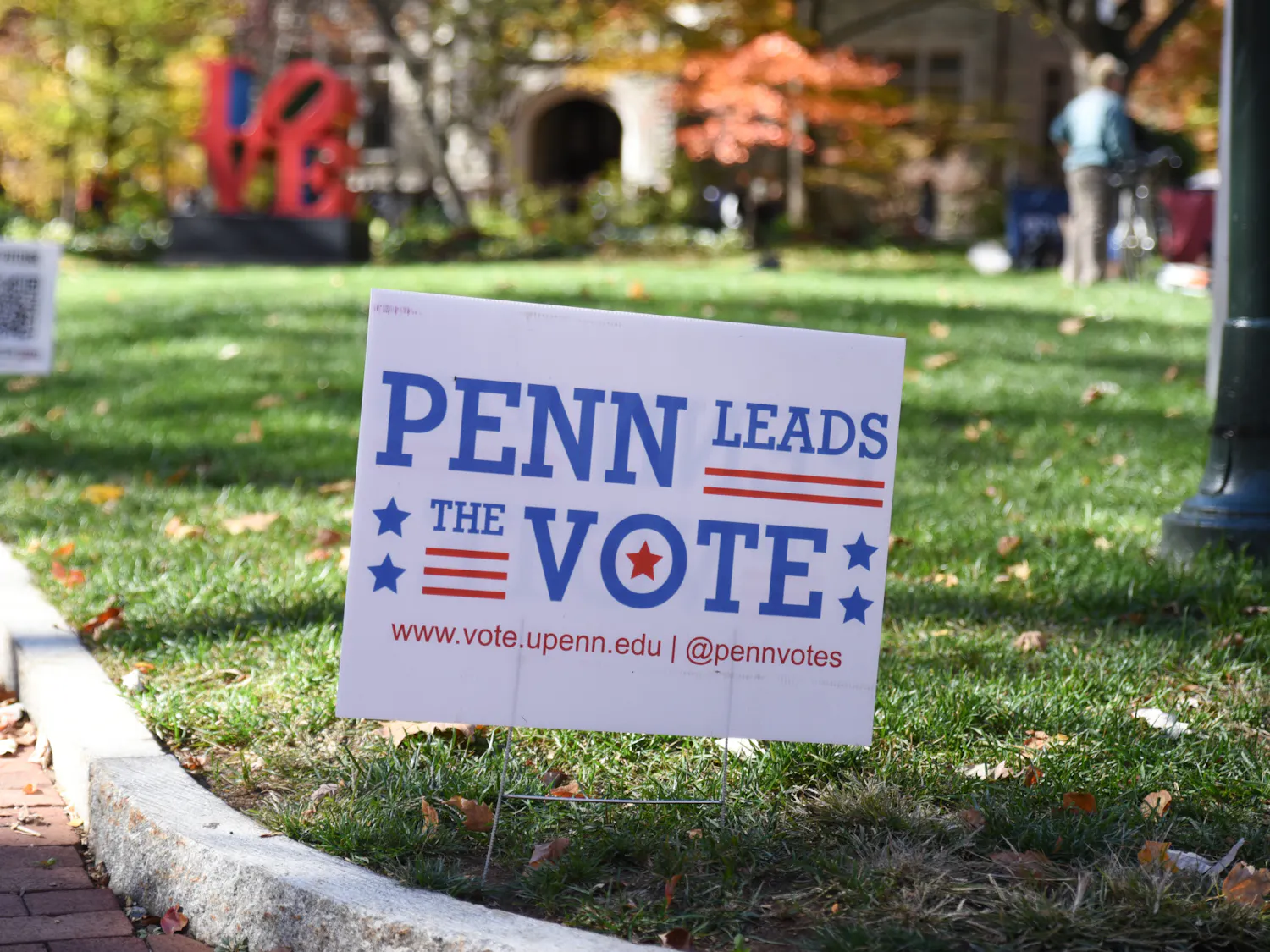
Penn student groups promote voter registration on Locust Walk
By
Mara Flores
·
48 minutes ago