Policy papers and work groups will be the legislative tools of this year's Undergraduate Assembly if student government leaders have their way. Student government leaders said at Sunday's UA meeting that they hope to change the way student government conducts its business. Leaders said they they believe the use of policy papers will enable the UA to take a "proactive" stand on issues. At Sunday's UA meeting, Vice Chairperson Scott Sher said he believes that student government should do more than just pass resolutions. Sher, a College junior, said he favors the use of policy papers because they contain "more substance, more facts." Policy papers, unlike resolutions, are proposals which are supported by research and detail a course of action. The UA, in the past, has relied upon resolutions, which are generally statements of opinion and demands for action. "[Policy papers are] the way I'd like to see committees going," Sher said. Newly-elected UA Chairperson Seth Hamlin said after the meeting that he favors policy papers because it allows student government "aims to be proactive." By comparison, "resolutions are a reactive piece of paper," he said, passed only after issues arise. "By the time you do a resolution, it's usually too late," said Hamlin, a College junior. "The problem with resolutions is that they express grievances that students have but very rarely do they express ways in which those grievances could be alleviated," he said. Hamlin added that he believes UA policy papers which show evidence of research and offer solutions to problems might be taken more seriously by University administrators than resolutions. "Policy papers [also provide] something concrete in writing that if the administration fails, we can call them on," he said. Hamlin said the shift from resolutions to policy papers would signal a preference of substance over style and issues over rhetoric. He added that the UA will also be replacing traditional UA committees with work groups. Unlike standing committees, the work groups will have flexible memberships, allowing UA members to work on specific issues which interest them, he said. Hamlin said in the future, questions about specific issues will be directed to the UA members who are working on them. Hamlin said he thought this would make the UA more accountable. "This will allow [UA members] to take credit and be held responsible for the projects they take on," he said.
The Daily Pennsylvanian is an independent, student-run newspaper. Please consider making a donation to support the coverage that shapes the University. Your generosity ensures a future of strong journalism at Penn.
DonateMore Like This

A history of the Penn presidency
By
Aidan Shaughnessy
·
22 hours ago

No — AI will not wipe out humanity by 2030, Penn experts say
By
Addison Saji
·
22 hours ago

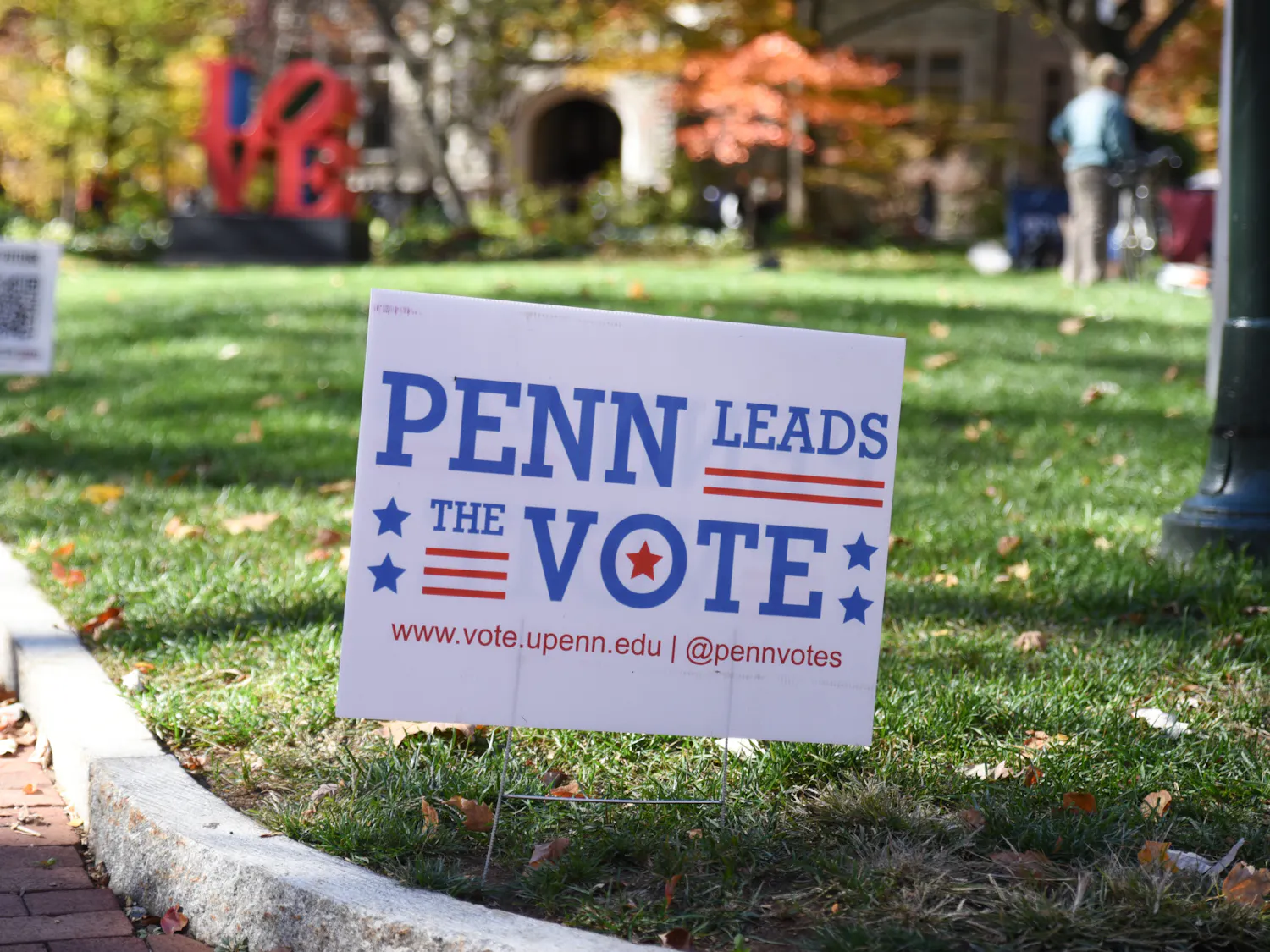
Penn student groups promote voter registration on Locust Walk
By
Mara Flores
·
22 hours ago