Of course, admitting students was not the first step in pursuit of increased representation of underrepresentated minorities. The Admissions Office initially needed to convince record numbers of minority students to apply. Nor did the University's responsibilities end when the last acceptance letters of 1992 were mailed. Final success will be determined by how many students decide to attend the University, remain here throughout their undergraduate education, and then graduate a half-decade from now. The University already seems to have a jump on the next step -- convincing minority students to attend the University. Through programs such as the Minority Scholars Weekend in March and the United Minorities Council letter-writing campaign to prosective students, the Admissions Office hopes to convince record numbers of minority students to matriculate. But as the Admissions Office gears up to repeat -- or improve upon -- this year's feat, the undergraduate schools and student services must prepare themselves for whatever unique concerns arise because of the increased influx of minority students. Will the University be there for the students when they arrive? In more than just the physical sense, the answer must be an enthusiastic and confident "yes." In addition, although the University has made a commitment to fund financial aid for students in the Class of 1996, regardless of need, the future of such support is decidedly unclear. The administration must repeat this pledge next year, or risk watching the recent favorable admissions trends instantly reverse themselves.
The Daily Pennsylvanian is an independent, student-run newspaper. Please consider making a donation to support the coverage that shapes the University. Your generosity ensures a future of strong journalism at Penn.
DonateMore Like This

A history of the Penn presidency
By
Aidan Shaughnessy
·
4 hours ago

No — AI will not wipe out humanity by 2030, Penn experts say
By
Addison Saji
·
4 hours ago

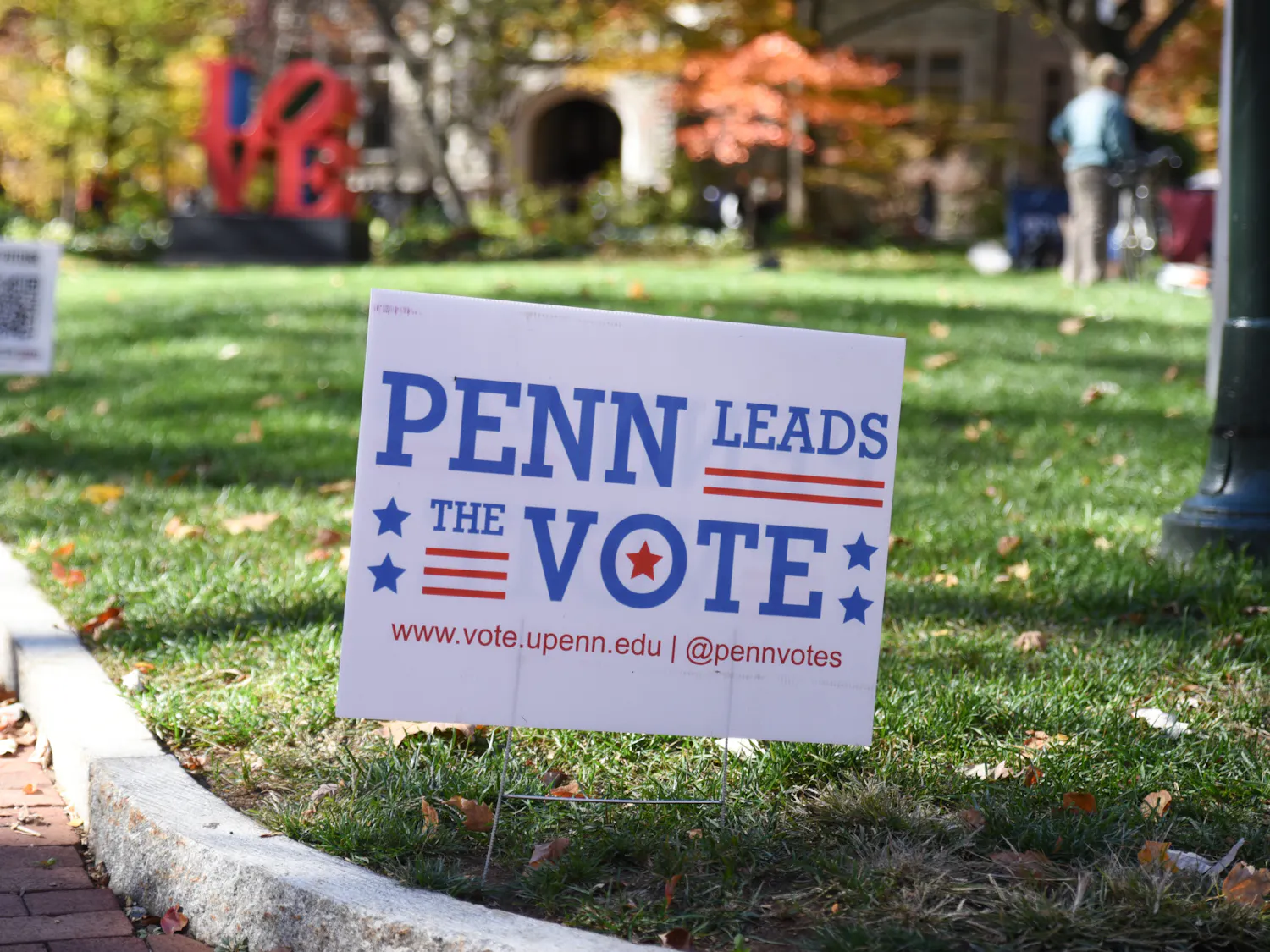
Penn student groups promote voter registration on Locust Walk
By
Mara Flores
·
4 hours ago