On a nice clear day in 1990, Phil Eidelson stepped onto Smith Walk for his first day of class and had a weird sense of deja vu. Eidelson, a 1950 Wharton graduate, returned to his college days at the University as part of the Senior Associates program. Eidelson said last week after his History 361 class that after retiring, he decided to resume learning. "For 40 years, I did nothing like this. I find this stimulating and different from my business career," he said. Eidelson and a couple hundred senior citizens each semester participate in the College of General Studies Senior Associates program which enables people 65 years old and older to audit University classes. According to Karen Weidel, assistant dean of CGS, the program began in the late 1970s and was open only to retired Philadelphia schoolteachers. After a few years, it expanded to include anyone over 65. Weidel said there is no charge for auditing the classes, but the University does ask that the Senior Associates contribute $50 for auditing one class and $75 for two classes. Senior Associates are limited to two classes each semester. Weidel added that the money collected from the senior students is then used to provide scholarships for needy undergraduates in CGS. The associates are able to sit in any University class that a professor allows them to, said Weidel, but usually they audit classes in the College, particularly those in history, political science, and English. Ed Berkowitz, a 1949 College graduate, said he has audited classes in history, architecture, and archaelogy over the past several years because he has "enjoyed learning all my life." Another senior associate, Rena Benjamin, a Temple University graduate, said she has taken approximately 13 courses over the last two years because, "I'm retired. [Class] structures my life." Eidelson said his perspective on learning has changed over the years and is different from his younger classmates. He explained that if a professor does not show up to class, undergraduates are happy for the free time, but he is "disappointed." Another difference between the seniors and undergraduates is the price they paid for their degrees. Benjamin pointed out that when she went to Temple in the 1930s, she paid $250 a year -- a far cry from the University's 1992 tuition. Many senior associates said they are reluctant to speak out in class and most do not attend recitations. But the ones who do offer unique perspectives to their classes. "They have, if you will, wisdom that a lot of 20-year-old undergraduates haven't had yet," Associate History Professor Robert Engs said Monday. He added that in some modern history classes he has taught, these "living sources of history" have added to the discussion. While discussing the Depression in one class, Eidelson said, "my being there made that period of time more than just history." Berkowitz added that in a class on ancient buildings he was able to add insight on the windows they studied from his experience in the window manufacturing business. Senior associates seem to make the most out of their new academic careers. As Eidelson summed up, "it's the best kept secret in Philadelphia."
The Daily Pennsylvanian is an independent, student-run newspaper. Please consider making a donation to support the coverage that shapes the University. Your generosity ensures a future of strong journalism at Penn.
DonateMore Like This

A history of the Penn presidency
By
Aidan Shaughnessy
·
3 minutes ago

No — AI will not wipe out humanity by 2030, Penn experts say
By
Addison Saji
·
4 minutes ago

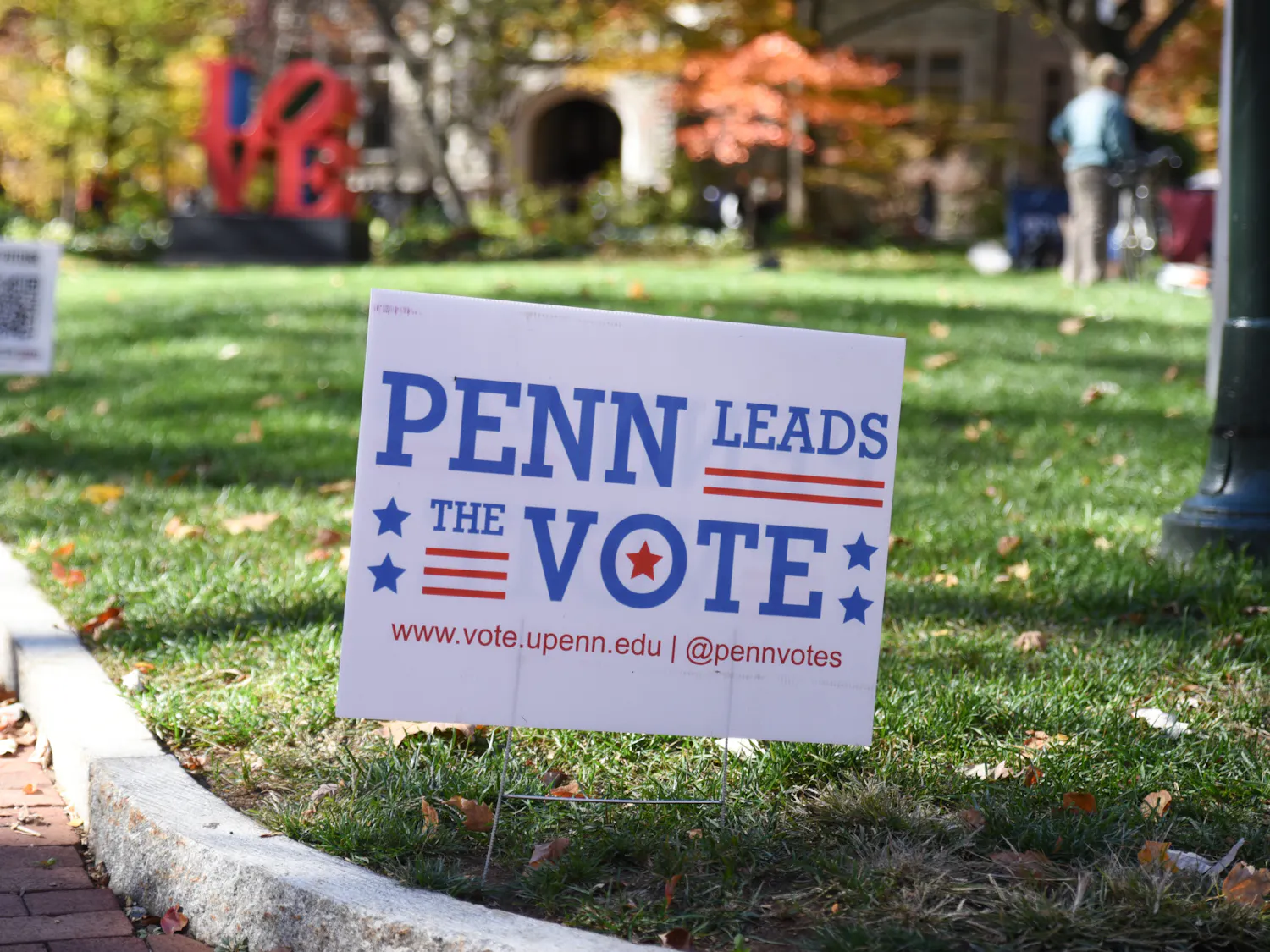
Penn student groups promote voter registration on Locust Walk
By
Mara Flores
·
10 minutes ago