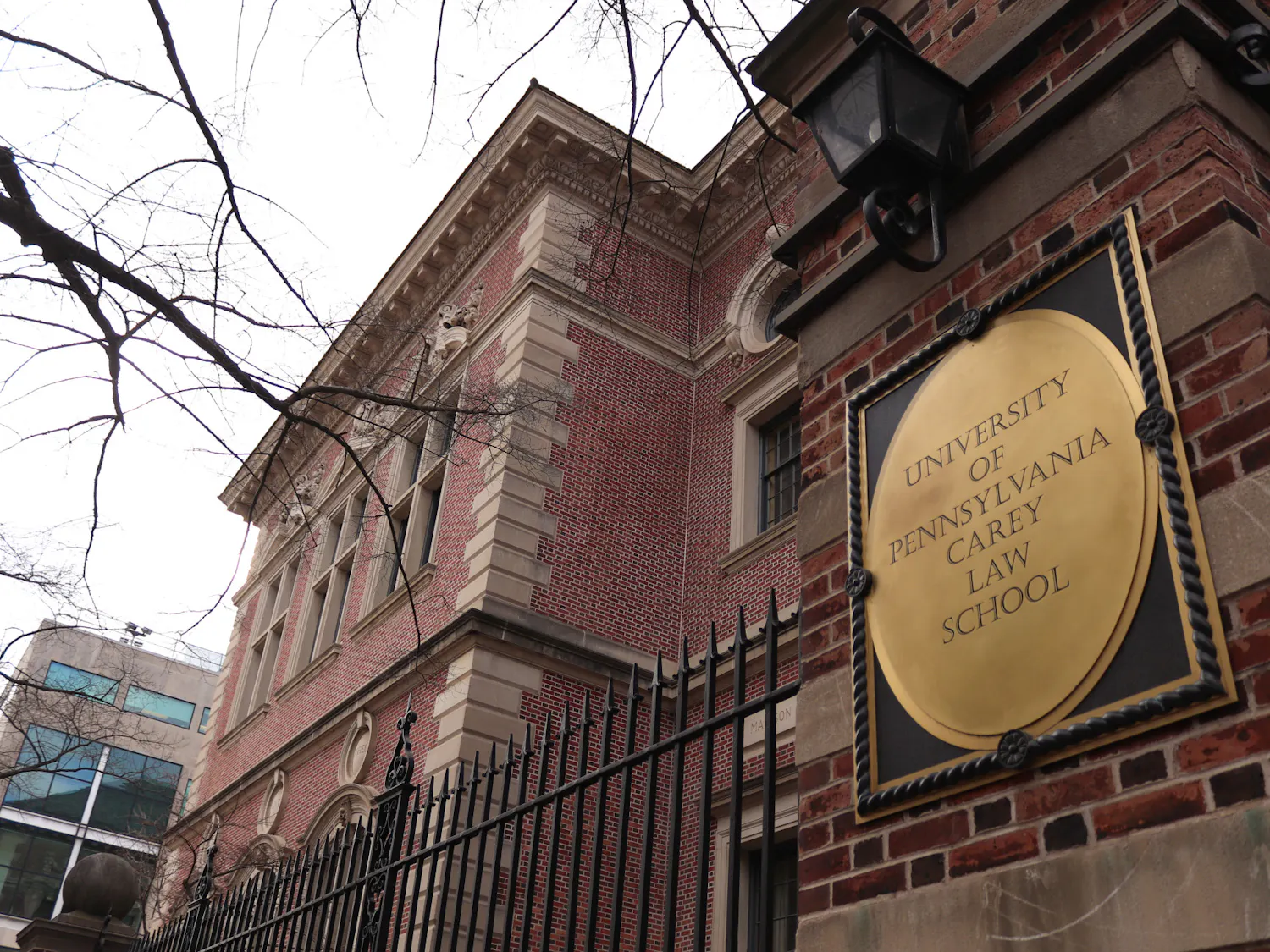
For undergraduates at Penn, becoming an upperclassman often comes with the struggle of finding off-campus housing.
Students are required to live in a college house for a minimum of two years, after which they can choose to move off campus or continue residing in a dormitory. Often, this decision comes with a major cost consideration, as on-campus housing rates have been steadily rising over the past five years.
For the 2026-27 academic year, upperclassmen on-campus housing rates were set at either $13,644 or $17,898 depending on the room type. Juniors at Penn cited cost as a primary motivation for moving off campus in interviews, adding that the timeline for finding housing began much earlier than they expected.
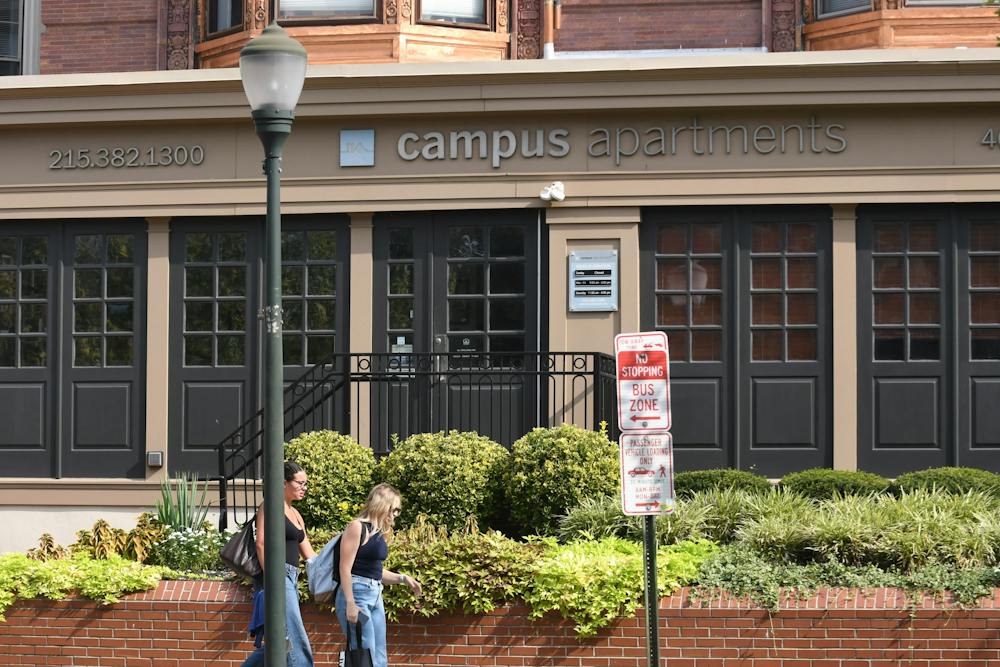
College junior Isha Chilukuri found her off-campus housing through leasing agencies operating near Penn’s campus — such as University City Housing and Campus Apartments.
During the process, she found timing to be an additional factor to consider when looking for leases.
“It was this really weird thing,” Chilukuri said. “Someone apparently submitted their application 30 seconds before ours, so we didn’t end up getting that place.”
Ultimately, most students sign their lease agreements by December or January.
According to Wharton junior Leo Ding, “people were already in Facebook groups and GroupMe’s talking about giving up their houses” by September of his sophomore year.
RELATED:
Gregory College House sprinkler floods multiple floors, displacing residents
Ding, a DP staffer, is one of many students who secured housing through a peer connection rather than working through a leasing agency. In October 2025, he got a “direct referral” to an off-campus house from a senior in one of his clubs. The 2025 graduate selected Ding as their successor on their lease.
Despite the early start, finding housing itself was an “extraordinarily long process,” according to Ding. For many students, securing off-campus housing entails visiting properties, coordinating with potential roommates, and negotiating pricing — which Chilukuri found “a little bit irritating” while balancing pre-existing responsibilities.
Students planning on living off campus must also decide whether they want to live in an apartment or a house, which each come with their own sets of pros and cons. Ding described a house as a “more communal setting”, but explained that it involves more “friction” than an apartment when dealing with matters such as maintenance.
“You have to figure a lot of things out that might cause some trouble,” Ding said.
College junior Braden Lipman said that off-campus options vary widely in cost and quality — calling the difference “a tale of two housing arrangements.”
According to Lipman, some friends who had planned to live with him backed out of the housing arrangement because of quality concerns. Instead of moving into the house selected by his roommate group, Lipman’s friends opted for their own apartment.
“We’re probably more toward the lower end of the spectrum, where we’re in a slightly less nice house, but rent’s probably much cheaper,” Lipman explained. “The other roommates who split off from us, they have a super nice place. It reminds me of a hotel.”
All three juniors expressed that living off campus came with benefits and drawbacks.
For Chilukuri, having her own stove and other kitchen amenities allowed her to get off the dining plan, but her off-campus housing also has pests and other maintenance issues. In her experience, off-campus housing can also be “a little bit isolated if you’re further away” from Penn.
Ding echoed these feelings, encouraging students to spend as much time on campus as possible.
While living off campus, “I don’t have those chance encounters I had in my dorms,” he said, adding that “it’s fine because I think that’s also a hallmark of being an upperclassman.”
When asked if she had advice for students beginning the search process, Chilukuri emphasised the importance of starting the housing search early.
“Looking at a wide variety of places, rather than having to do it super late and being forced to sign something for the sake of it, will get you a housing option that will be a better fit for you,” she concluded.