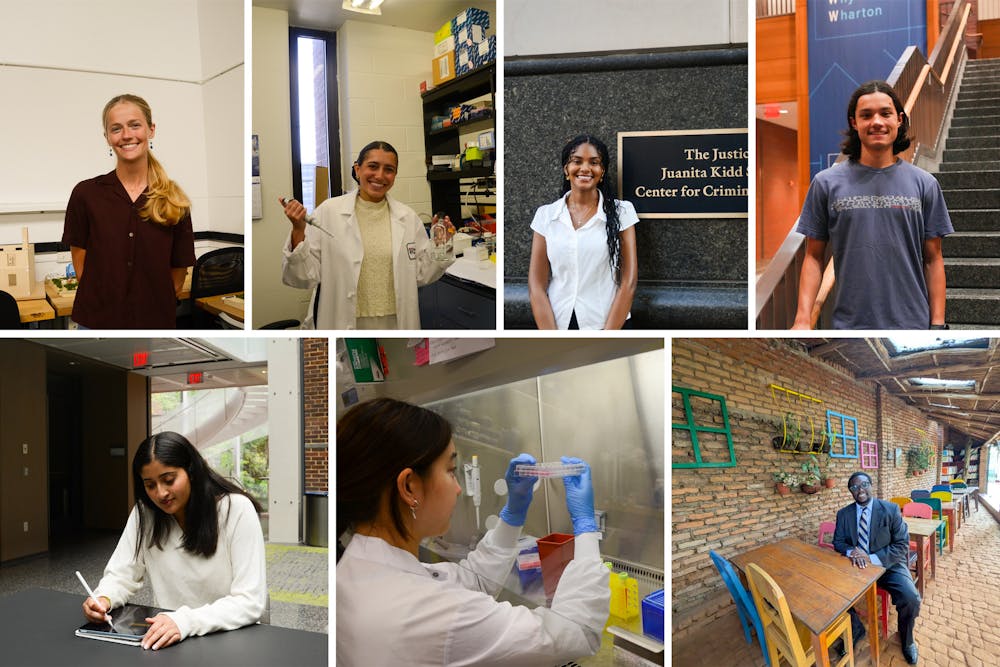
Every summer, hundreds of undergraduate and graduate students at Penn take advantage of the multitude of programs offered across all 12 schools.
These programs — mostly occurring on campus — encompass topics ranging from new medical therapies to sports analytics and preservation of urban heritage sites. Many of these opportunities also allow students to learn from and collaborate with faculty members.
The Daily Pennsylvanian spoke with seven students about their experiences with Penn’s summer offerings.
Penn Undergraduate Research Mentoring Program
This year, over 300 students and 180 faculty members are participating in PURM. The program, which has been organized by the Center for Undergraduate Research and Fellowships since 2007, matches first- and second-year undergraduate students with faculty mentors across Penn’s 12 schools.
Both faculty and students apply for PURM during the academic year, with about 35% to 40% of faculty proposals historically being accepted each year. The program culminates in a poster presentation at a fall research exposition.
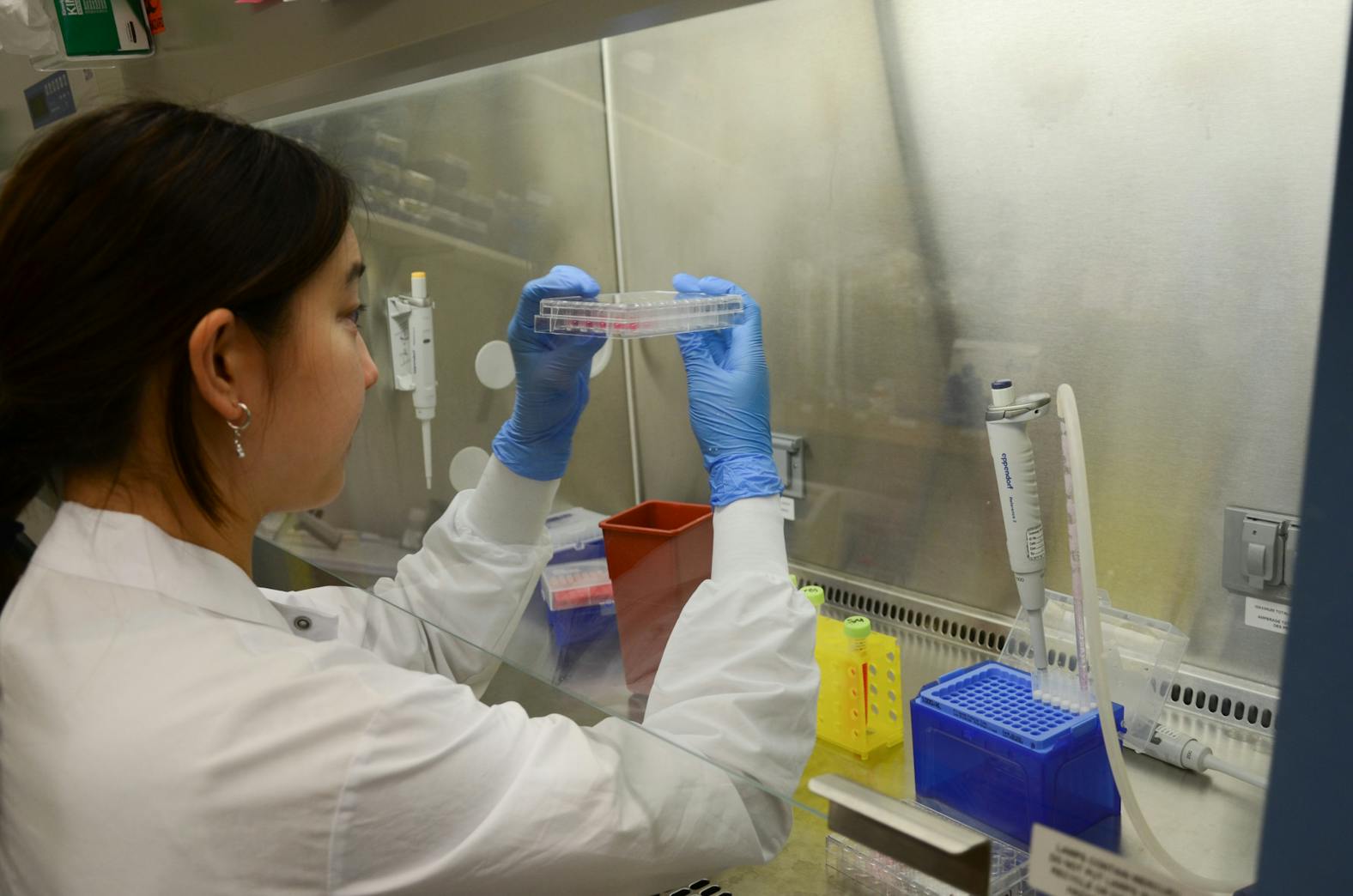
Rising Engineering sophomore Iris Ou described the experience as “collaborative” and “a great learning environment.” Through PURM, Ou currently works at the Children’s Hospital of Pennsylvania in the Gottardi Lab studying treatment of vocal fold fibrosis “through cell culture by dosing B cells with lipid nanoparticles.”
Specifically, Ou focuses on testing the types of donors, conditions, and dosage that maximize the treatment's efficacy. In addition to her independent work, she said PURM also gives her the opportunity to learn from others in the lab.
“I had previous wet lab experience, but it was all in vitro, so I didn’t really get to see any animal models or things like that,” Ou said. “Getting to see animal models and getting to shadow surgeries — and in the future potentially getting to work on surgeries myself independently — I think that’s really exciting.”
“It’s definitely been really helpful in developing how I think about things,” Ou added.
Wharton Summer Program for Undergraduate Research
SPUR supports Wharton School students hoping to pursue independent research projects under the guidance of faculty mentors. Interested students submit a proposal and list a mentor for their project in March.
The program culminates in participants crafting a final paper detailing their research by September and presenting on their work in a symposium during either fall or spring semester.
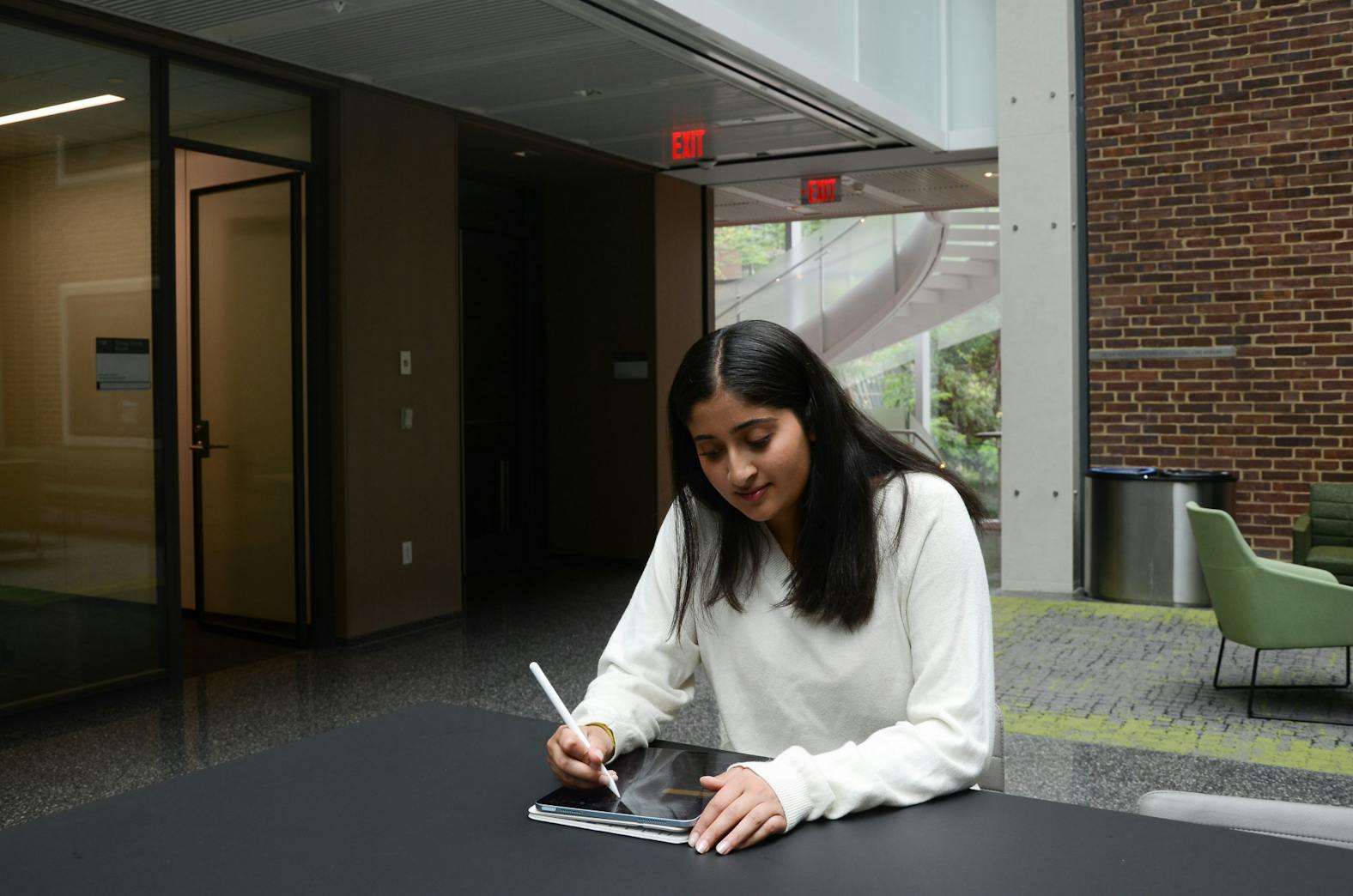
Rising Wharton sophomore Meera Tewari’s project focuses on “analyzing the different levels of transparency in the supplement industry” and “taking a look at what marketing claims influence consumers’ purchasing habits.” Her work is mentored by Wharton management professor Tyler Wry.
Tewari said her previous work within the supplement industry inspired her to pursue the topic further this summer. She hoped her findings could provide “more clarity on what actual outcomes are with marketing claims,” particularly because “the supplement industry really is like an unregulated industry, especially with regulations on what can and can’t be said.”
“It's definitely a good way for me to get introduced to how to conduct research on my own,” Tewari said. “Even just having the research skills is definitely something I can take in the future.”
Quattrone Center Prosecution Lab
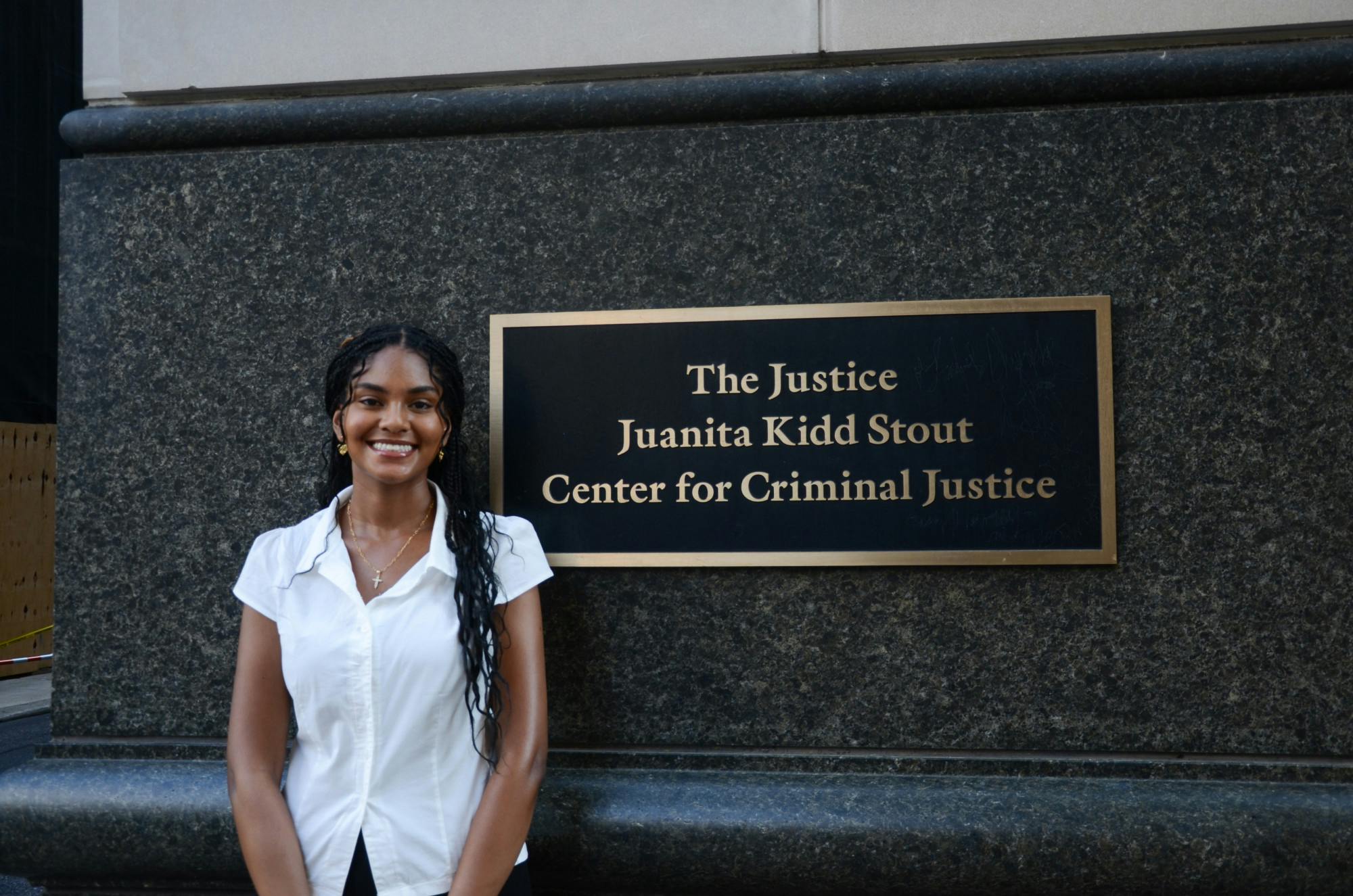
Rising College senior Lauren Humphrey is spending her summer as a research assistant at the Quattrone Center for the Fair Administration of Justice’s Prosecution Lab. She was able to select from several different research projects conducted by the University of Pennsylvania Carey Law School and Quattrone Center faculty.
The Quattrone Center “is a first-of-its-kind organization focused explicitly on inter-disciplinary, data-driven policy level research and recommendations designed to address the system factors that lead to criminal justice error,” according to its website.
Humphrey’s research focuses on “how bail decisions are made and whether bail review hearings are functioning as they’re intended.”
“Bail is one of the first major decisions in a criminal case, just because it determines whether someone remains in custody or returns home while awaiting trial,” she explained.
As part of her work, Humphrey attends court proceedings at the Justice Juanita Kidd Stout Center for Criminal Justice in Center City and collects “detailed information about factors that may influence” bail decisions, including criminal history and prior failures to appear.
Humphrey anticipated that “this specific research project is going to allow people to move beyond the assumptions of what bail is and really evaluate what factors are actually influencing early bail review outcomes.”
Beyond her courthouse research, Humphrey has also received mentorship from law students as she prepares to apply to law school in the fall.
“Being in court every day has allowed me to observe the attorneys, the judges, the other legal professionals in action and see how it directly affects people’s lives in real time,” Humphrey said. “I think that’s also motivated me to continue preparing for the LSAT and applying to law school.”
Penn Dental Summer Research
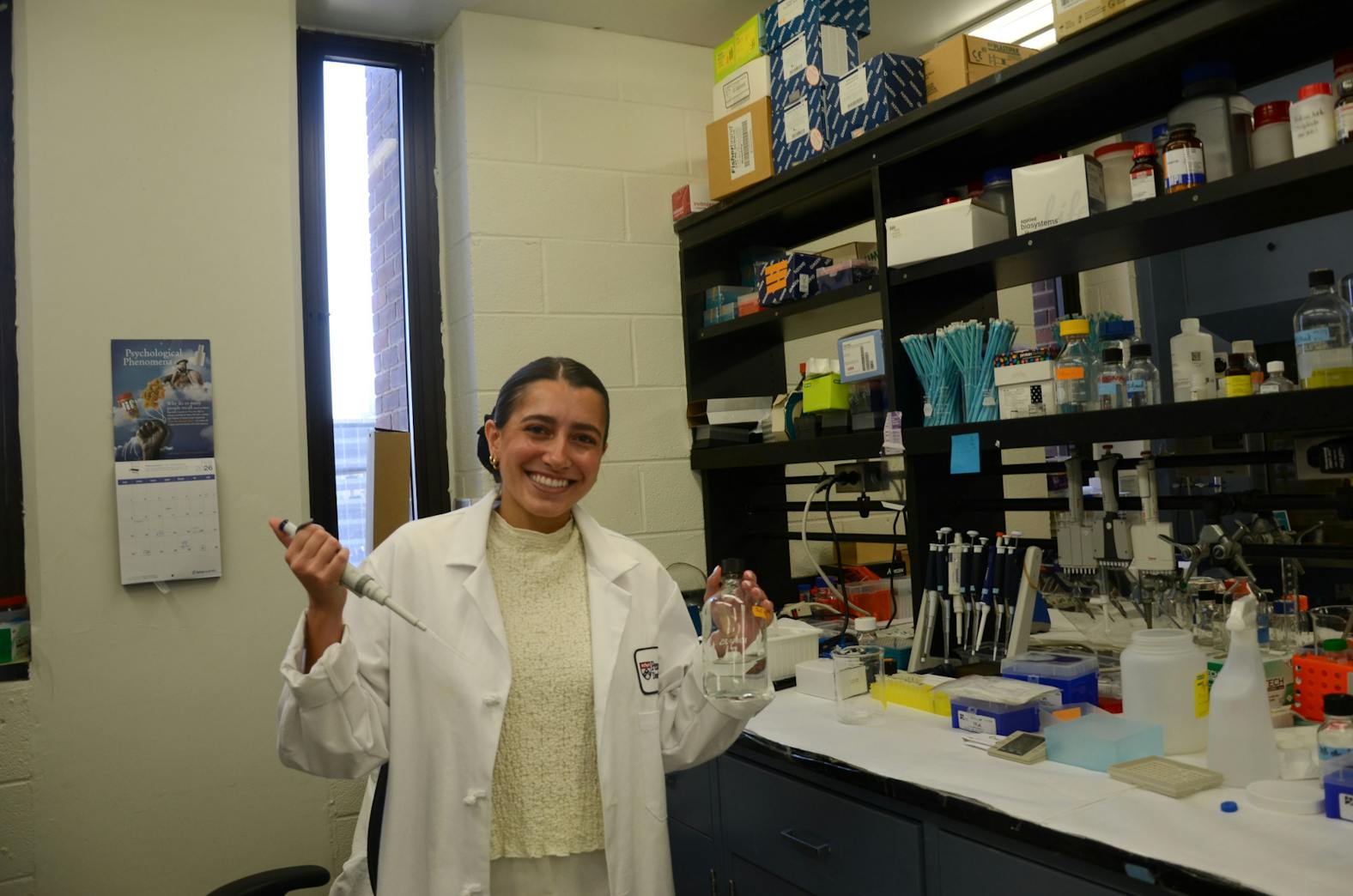
Penn’s School of Dental Medicine offers a summer research program for its first-year students. Dental School student Arezu Monshizadeh decided to pursue the program because of her previous research experience.
“I just loved that Penn offered this,” Monshizadeh said. “I thought it was amazing.”
The program provides students with a travel grant to attend the American Association for Dental, Oral, and Craniofacial Research’s annual meeting and present their research. Students are expected to continue research throughout their second year of dental school and present a poster at the Penn Dental Medicine Annual Research Day in the spring.
Monshizadeh works in the lab of periodontics professor Sinem Esra Sahingur, where she researches the link between periodontitis — the inflammation of the gums and bones that support the teeth — and “irreversible cell cycle arrest” through mouse models.
“It's super cool because mouse teeth are super tiny, and they only have three molars on each side,” Monshizadeh said.
She also emphasized the importance of having a mentor in her dental medicine journey.
“I think just being under the guidance of a PI and having their support at any time you need is just so invaluable — to have someone who was in your exact same shoes in dental school years ago,” she said.
Wharton Sports Analytics and Business Initiative
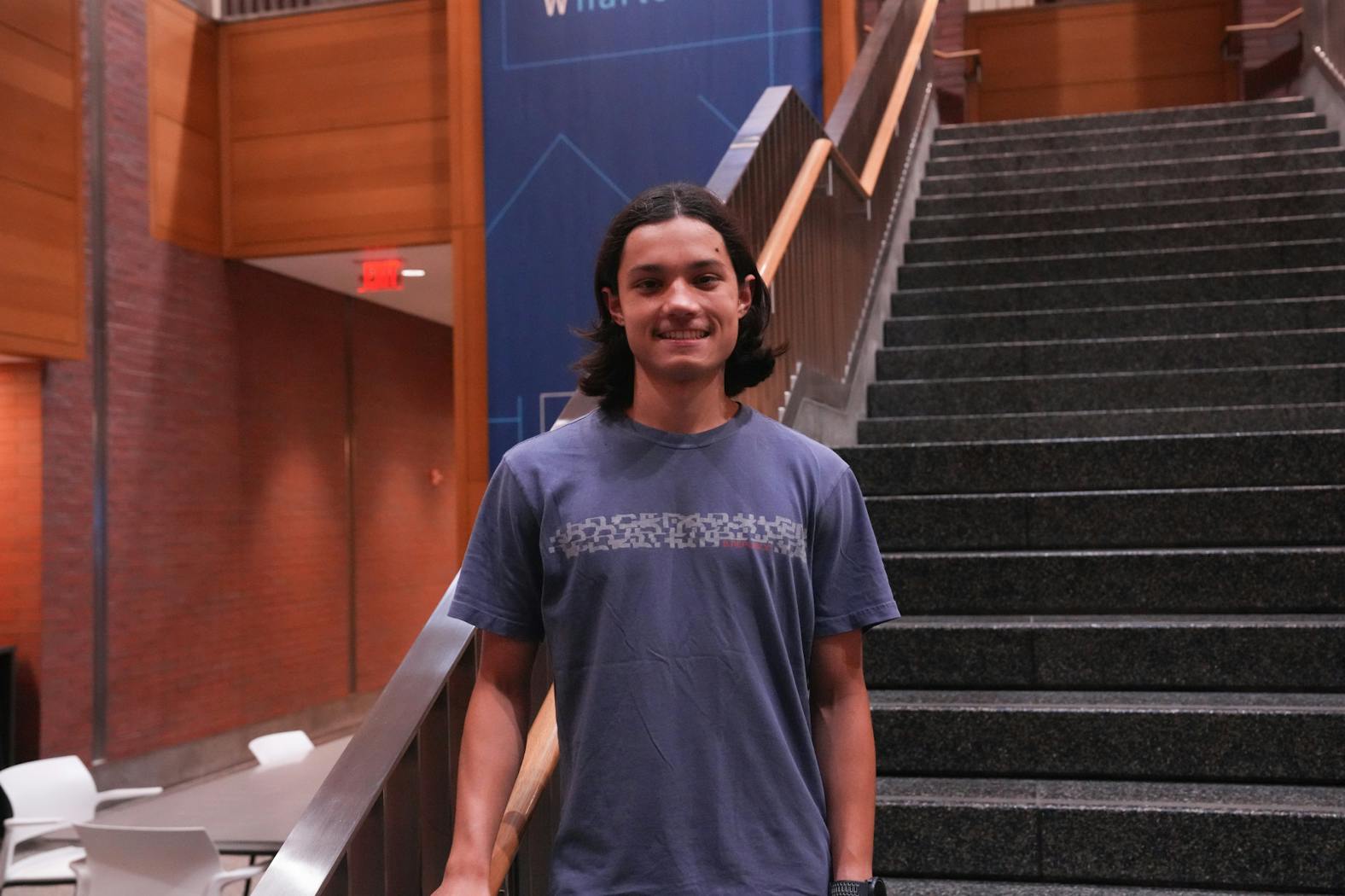
Wharton students can also conduct research in the Sports Analytics Research Lab. According to the lab’s website, the program comprises five weeks of research using “advanced statistics” and “exploring real sports data sets,” as well as four weeks working as a teaching assistant for Moneyball Academy — a program offered to high schoolers interested in exploring sports analytics.
Rising Wharton sophomore Lyev Pitram decided to pursue the program due to his own experience in the high school program, which drew his “interest to sports analytics.”
Pitram is researching American football under statistics and data science professor Abraham Wyner, focused specifically on “the openness of a receiver on any given pass.”
“It’s kind of hard to tell what exact combination of acceleration or what exact combination of position we would define as open,” Pitram said. “Trying to figure out what sort of arbitrary definition we give that definitely has been one of the biggest struggles, but that is something we’re working on.”
Pitram characterized his experience as a teacher’s assistant for Moneyball Academy as a “great time,” stating that he enjoys interacting with them and helping them learn.
“It’s a cool opportunity for mentorship, and it’s definitely a part of this program that is not to be taken for granted,” he said.
Pitram also discussed how the program will inform the fields he potentially wants to pursue in the future.
“I think the best part of a program like this is the skills that it teaches us — statistics, analytical thinking, and computer science — are very applicable to other fields,” Pitram said.
Preservation Research Collaborative at Penn
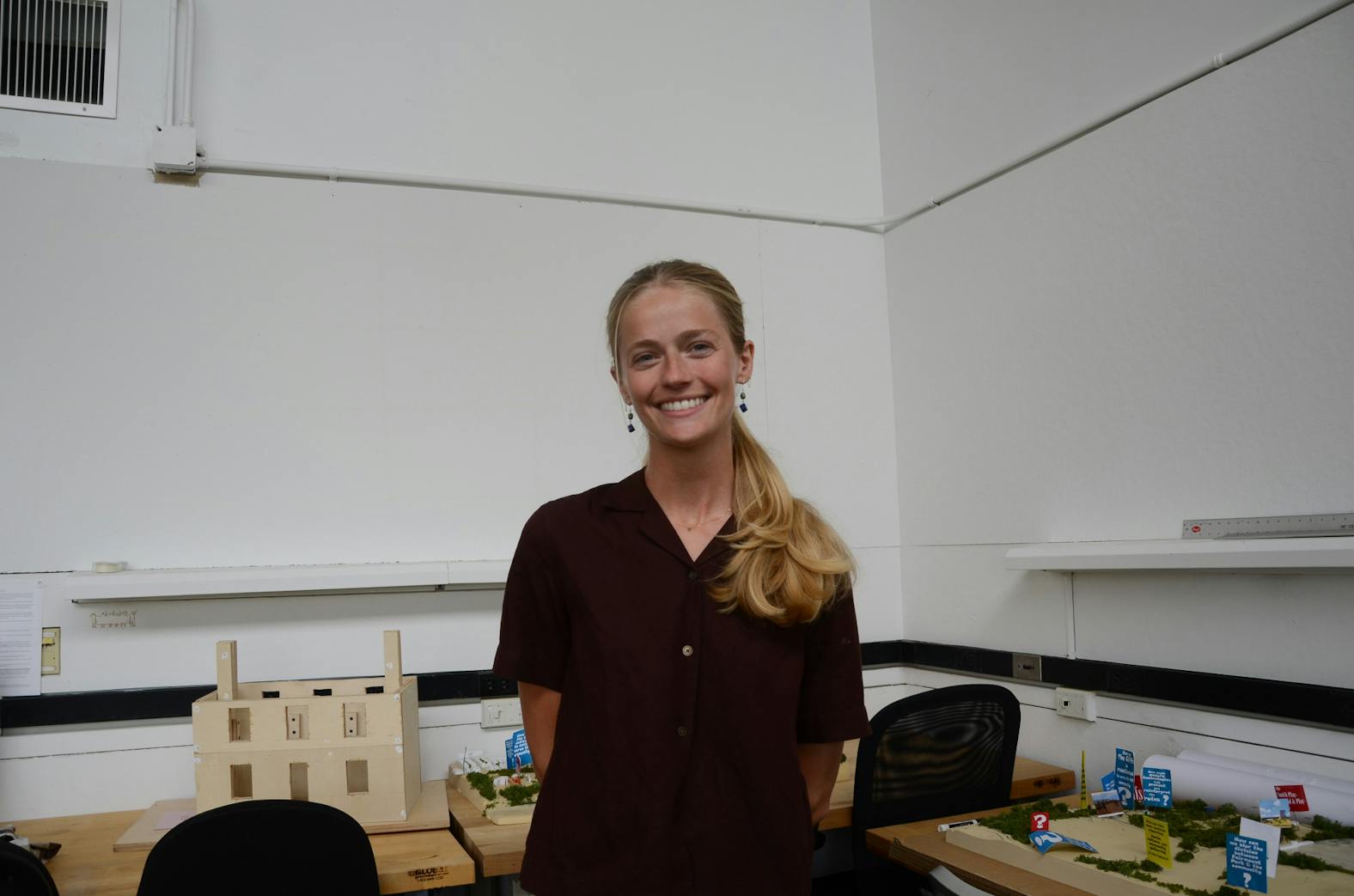
Stuart Weitzman School of Design student Lexington Smith, currently pursuing her master’s in historic preservation, works with the School of Design’s Preservation Research Collaborative through their Urban Heritage Project Branch.
Smith is focusing on two preservation projects in Virginia, one researching the Manassas Battlefield and the other examining the Bowman-Hite Farmstead and Belle Grove Plantation. Both sites hold significance in the Civil War era.
As part of her research, Smith spent four days in Virginia mapping the historic sites.
“We were out in the field in the sun of Virginia with GIS equipment,” Smith said. “We were able to mark points of where cannons were, or structures, or any sort of land feature that could help us create a full map or picture of the changes over time.”
Smith explained that, as someone who is “used to cities and their history and rapid development,” the work was new for her.
“The countryside aspect really brought me out of my comfort zone,” she said. “I was drawn to that type of exposure and wanted to work with people who are working towards land management and conscious development that doesn’t impact our historic resources.”
She described her experience as “invaluable” for its long-term focus on community land development.
International Educational Development Program
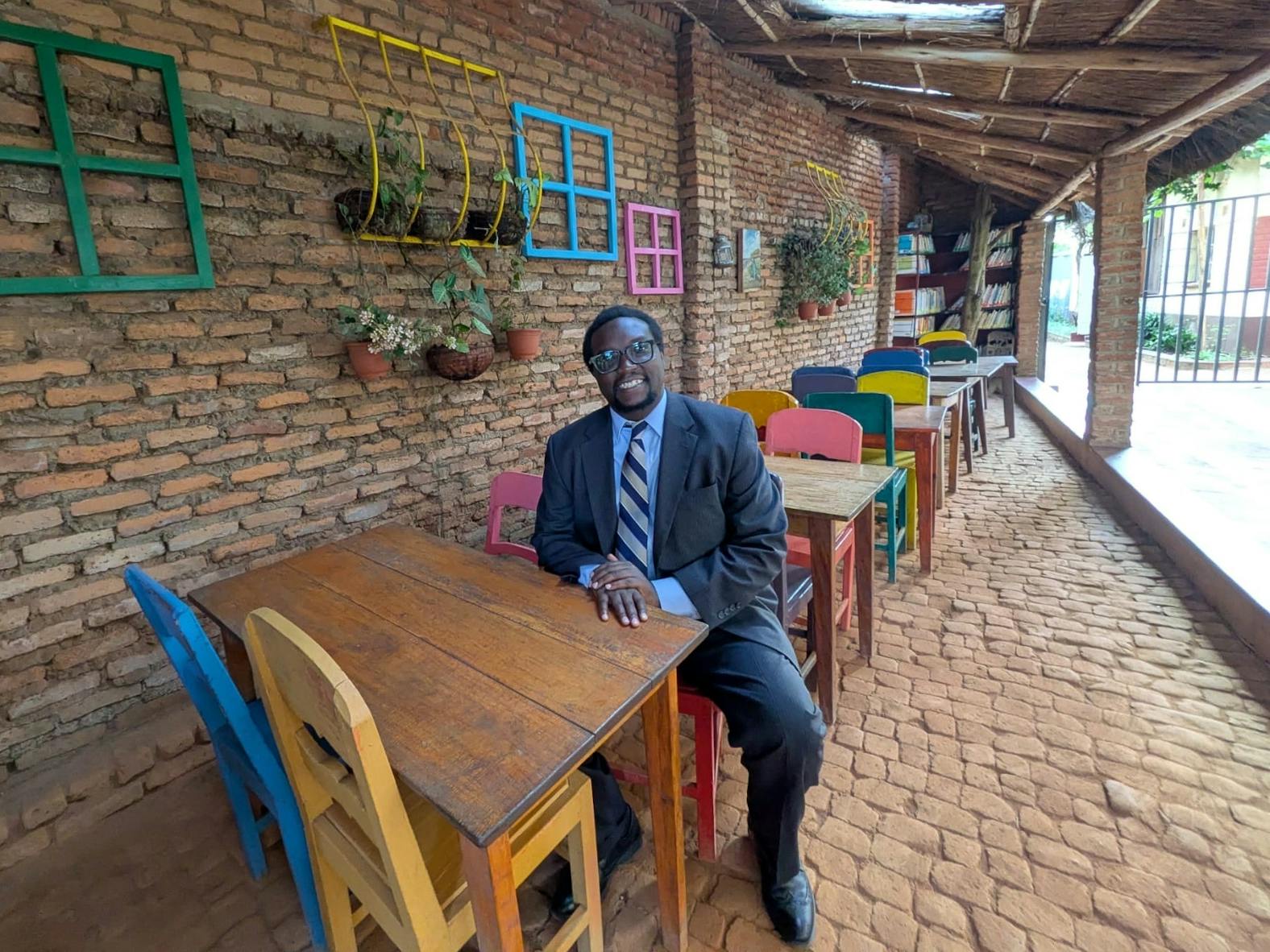
Graduate School of Education student Kenneth Kibathi is spending his summer working under the International Education Development Program. Each student pursues an international internship “where students gain hands-on experience in global education and development” with one of 25 international partner organizations, according to the program’s website.
Kibathi works with the JBJ Foundation, investigating the impact of educational technologies in Malawi through a randomized controlled trial.
He was initially interested in the project due to his interest in the “large-scale implementation of educational technologies” and the opportunity to work with University of Chicago economics professor and Nobel laureate Michael Kremer.
“It’s very hard to say no to a Nobel laureate when it comes knocking,” Kibathi said.
His work involves visiting hundreds of schools to interview teachers and parents. He said his experience in GSE and IEDP shaped his transition to Malawi.
“For IEDP, we are maybe over 25 nationalities,” Kibathi said. “There are things that Penn teaches you, where you learn to listen more.”
The goal of Kibathi’s work is to present the “impact of educational technologies in foundational learning” to senior education officials across Africa. He will also produce a report upon returning to Penn.
“This has been one of the most profound experiences that I have had,” Kibathi said. “Seeing a child having impactful learning, as if it were their mother teaching them — that can only be done if you go down to the ground and listen to them.”
Staff reporter Kathryn Ye covers central administration and can be reached at ye@thedp.com. At Penn, she studies biochemistry and philosophy.