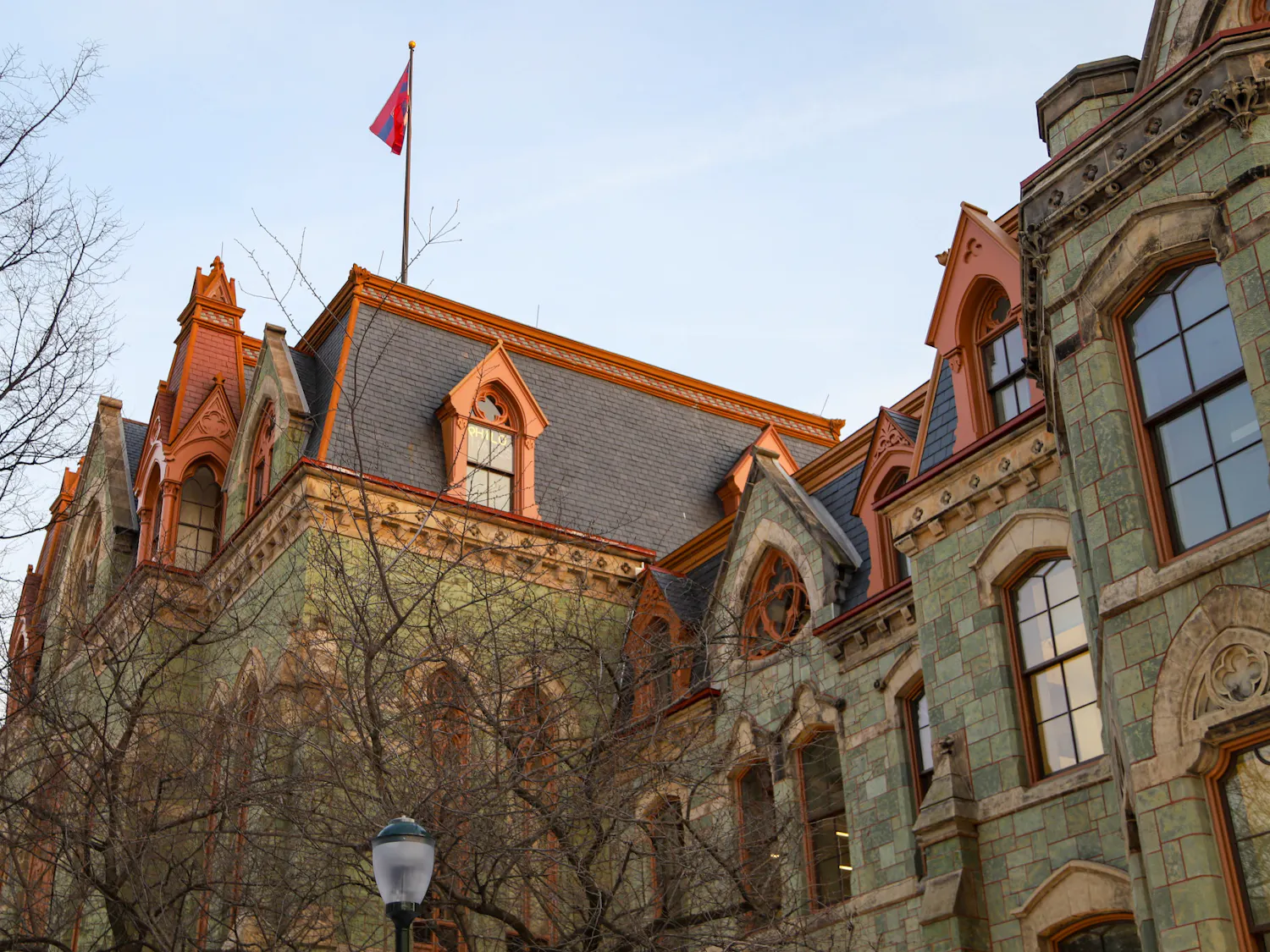
The Fels Institute of Government is front and center in the political events surrounding the mayor's race. On one count, they get a "thumbs down" for breaking confidentiality from within the confines of the classroom. On another count, they get a big "thumbs up" for the innovative and important Voter Observation Project, underway today, Election Day.
First, confidentiality of guest lecturers. Some weeks ago, Philadelphia Police Commissioner Sylvester Johnson was a guest lecturer at Fels. Johnson was invited with the standard expectations and assurances that whatever he discussed in his lecture would be treated with confidentiality. A news report on one of the major TV networks earlier this week highlighted what Johnson said in his lecture, with footage of the front door of Fels as the backdrop for the news report, and clearly stating that the source was from Johnson's lecture at Fels. What was reported was newsworthy and provocative, following the bugging disclosures and the ongoing "connect-the-dots" game being played by political junkies and operatives in the city.
But I'm not going to repeat what Johnson's observations and opinions were for one important reason -- the University, and the University community, must honor the practice that current officeholders who speak candidly in the classroom can do so with a measure of protection. Otherwise, future classes will sound more like promotional press releases than real-time public policy engagements.
This is important for a number of reasons. Most compellingly, the lack of this layer of insulation will have a chilling effect on the acceptance of future invitations by public figures. And, if they do decide to come to campus to speak with students, the degree of candor that we might expect is significantly less. That's bad news in academe, where universities, ivory towers by design, will have one less drawbridge into the real world.
Now, I know the "free speech first" folks may not like this. But I have to point out that this has been done many times in the past. When Al Gore went back to campus after his presidential candidacy, Columbia University took steps to ensure that the classroom as a news source was off limits. When Chelsea Clinton was a student at Stanford, the same approach applied... why? Because it's much harder to teach and learn under the klieg lights of public scrutiny.
So, whichever Felsian(s) spiked the news-ball, know this: you did your fellow students, and those who follow you, a disservice.
Now, for the good news from Fels: today, Election Day, the Fels Institute of Government, in cooperation with political consultant Ken Smuckler and radio talk show host Michael Smerconish, will launch the first real-time voter observation effort that the city has seen. This bipartisan effort (Smuckler is a D, Smerconish is an R) is unique for Philadelphia politics.
After an active campus recruitment effort, an orientation session was held Thursday evening for the participants, who will be paid $100 for their efforts. Smerconish opened the orientation for the data collectors by describing the significance of their roles and likening them to "embedded reporters." He spoke candidly about the prospect for "certain voting behaviors" to present themselves and encouraged the observers/collectors to call his radio show with live reports of what they are observing in the field at their assigned polling locations. This includes interesting GOTV efforts, like free hot dogs... or voter intimidation behaviors, a concern very much on the minds of many Philadelphians as this tumultuous election season draws to a close, with nerves raw, tempers flaring and prospects of violence more than a passing consideration.
The orientation to the project included specifics by Fels faculty and staff, with Smuckler doing an extended presentation on the tracking program. The project will collect real-time data at 50 selected polling places around the city. Safeguards have been established to ensure the integrity of the data collection operation: when and how to call in with specific information; how to maintain confidentiality of information locations; how to conduct oneself at the polling locations, e.g. make friends with the judge of elections, explain who you are, what you are doing, present your official Penn letter, etc.
John Hawkins, a Fels grad himself, offered advice and guidance on playing by the rules, including the importance of not wearing candidate buttons in the polling place, which is considered electioneering under the law and not permissible. Data collection and observations will be conducted throughout the day, with live reports on WPHT on extended airtime for Smerconish and other local hosts covering the election.
At a minimum, this experiment in collecting real-time data on Election Day may reveal some new trends, new tricks or force some reconsideration of conventional wisdom about voting behavior. In any event, Fels and its partners are engaged in a significant effort and are making an important contribution by being the eyes and ears of real people on real people on Election Day.
A final thought...
Today is Election Day. If you are reading this, and you haven't voted, get offline or off the couch and get down to your polling place. It's your city, it's your future... have an opinion... VOTE!
Donna Gentile O'Donnell is a Nursing Ph.D. candidate from Philadelphia.