The NCAA voted unanimously in favor of a new, age-based eligibility model last month.
Under the new model, athletes are able to complete five seasons of collegiate athletics starting at their high school graduation or their 19th birthday — whichever occurs sooner. For the Ivy League, this means student-athletes can transfer to another school for a fifth year without redshirting a season to preserve eligibility. As of July 2026, the Ivy League’s 4-in-4 eligibility model only allows undergraduate students to compete and doesn’t permit redshirt athletes.
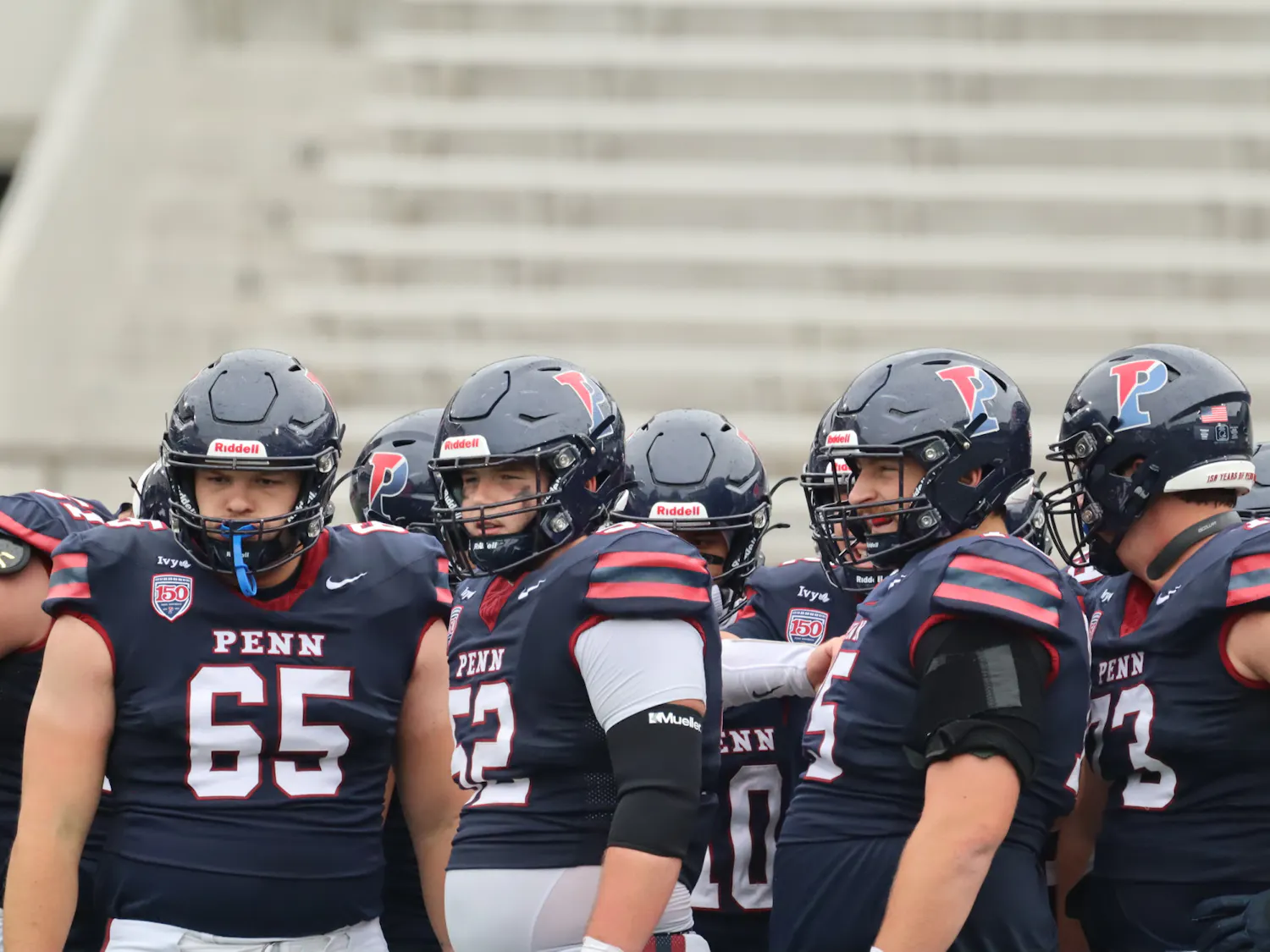
Many Penn student-athletes have nonetheless used redshirts in the past, transferring to other schools after graduating to better their chances of competing professionally or profit from increased NIL opportunities.
Penn Athletics did not respond to a request for comment.
The new model benefits all Penn student-athletes by giving them an additional year of eligibility after graduating and, with that, increased transfer possibilities. Additionally, since the Ivy League does not allow graduate students to compete in athletics, it will remain the only Division 1 conference in which a fifth-year transfer cannot take the roster spot of an undergraduate athlete. This shift could help greatly with recruiting efforts across the Ivy League.
The rule affects all student-athletes who still have remaining eligibility after the 2025-26 season and becomes mandatory for those enrolling in college starting in the fall of 2027. Exceptions to the age-based rule will be made for pregnancy, active-duty military service, and official religious missions.
This announcement marks a step away from the previous model, which allowed four seasons of competition in five years without any age restrictions. It also does away with practices like waivers and redshirting, which allowed student-athletes to gain an additional season of eligibility if they appeared in fewer than a certain number of competitions during a season.
Many of Penn’s student-athletes have used an additional season of eligibility at a different school as graduate transfers. Others deliberately eased up on their coursework to slow their degree progression, allowing them to compete at Penn for an additional season under the Ivy League’s rules.