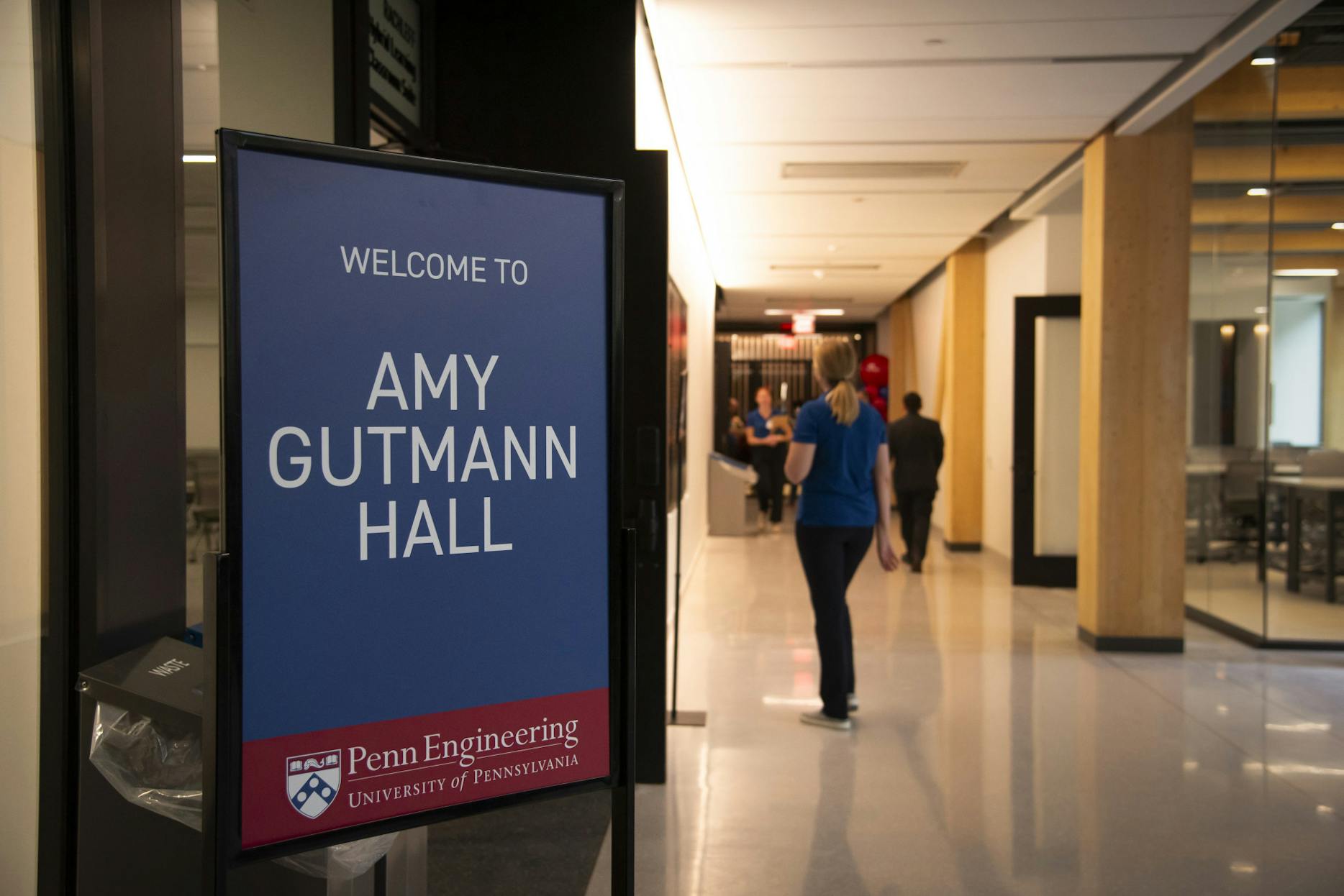
After breaking ground almost three years ago, Amy Gutmann Hall, Penn’s new center for data science and artificial intelligence, is set to officially open in January 2025. The six-story building located across from Lauder College House at the intersection of 34th and Chestnut streets, aims to consolidate research across all 12 schools.
Named after Penn’s longest-serving president, the building’s formal dedication on Sept. 27 celebrated former Penn President Amy Gutmann as well as 1980 College graduate Harlan Stone, a member of the University Board of Trustees who donated $25 million in 2019 towards the project, the largest in the School of Engineering and Applied Science's history. After the ceremony, The Daily Pennsylvanian obtained exclusive access to tour Gutmann Hall with Engineering School Dean Vijay Kumar, exploring its study spaces, research laboratories, and sustainable features.
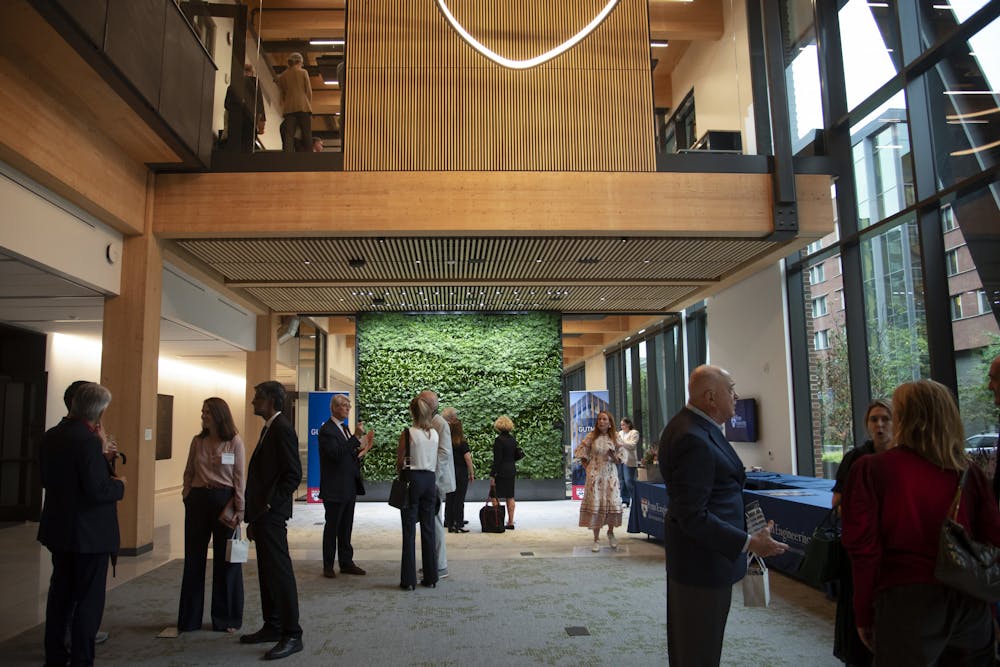
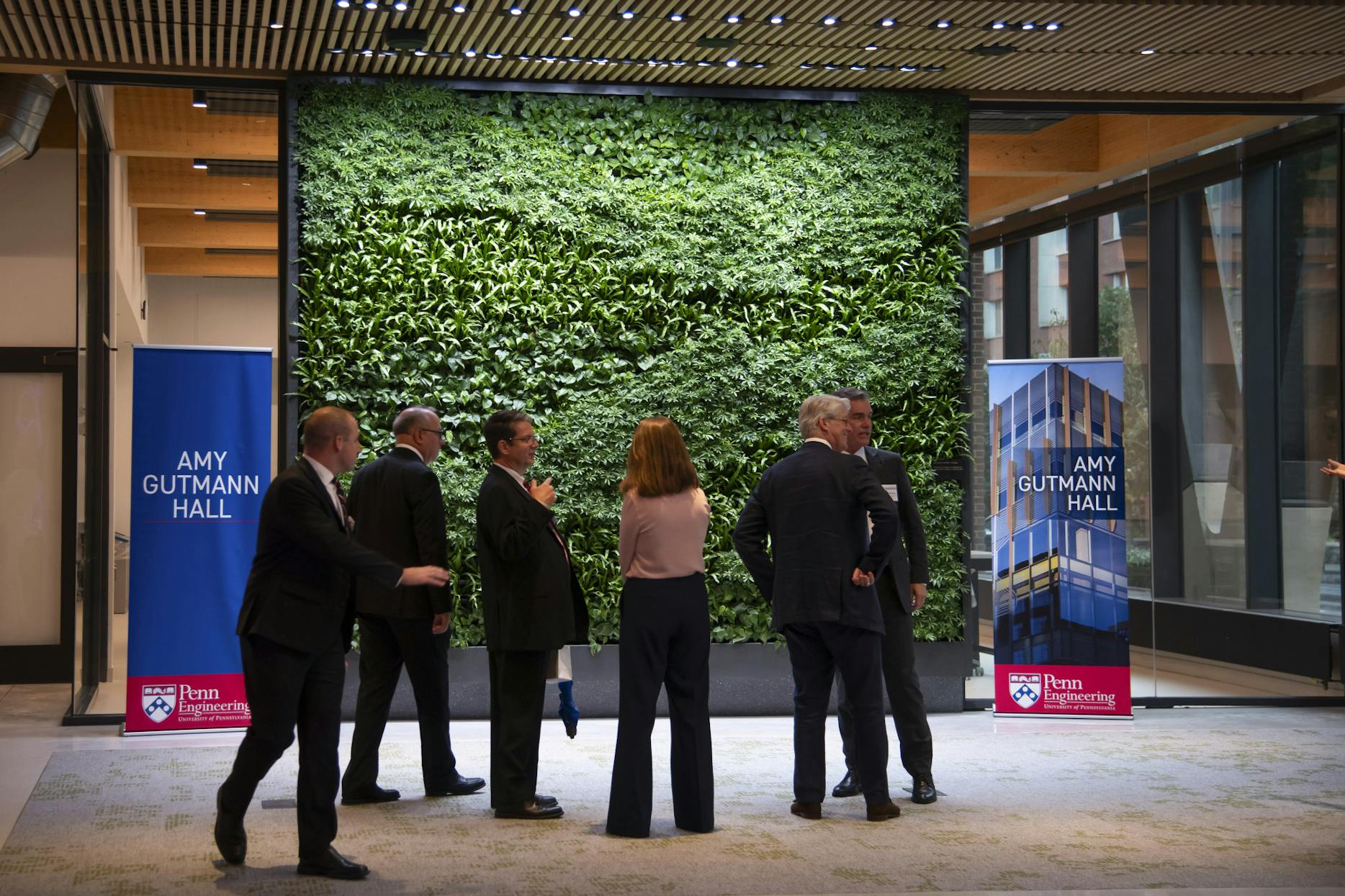
The first floor of Gutmann Hall houses a number of classrooms, labs, an auditorium, as well as the two-story lobby. Kumar said the designers wanted to bring nature into the space, as opposed to steel and concrete, through open windows and the lobby’s green wall.
Sustainability was a crucial focus for Gutmann Hall. As the tallest mass timber building in Philadelphia, the hall has a significantly reduced carbon footprint, according to Kumar.
“[When] we started looking at this in [2019], I knew that energy consumption was going to be a big deal,” Kumar said. “We knew we had to be careful as to how we designed the building.”
To combat energy costs, many of the large windows include fritting with embedded nanoparticles to trap solar radiation, Kumar explained. According to Penn Today, the building’s sustainably designed features cut energy use by nearly 20% and water usage by 33%.
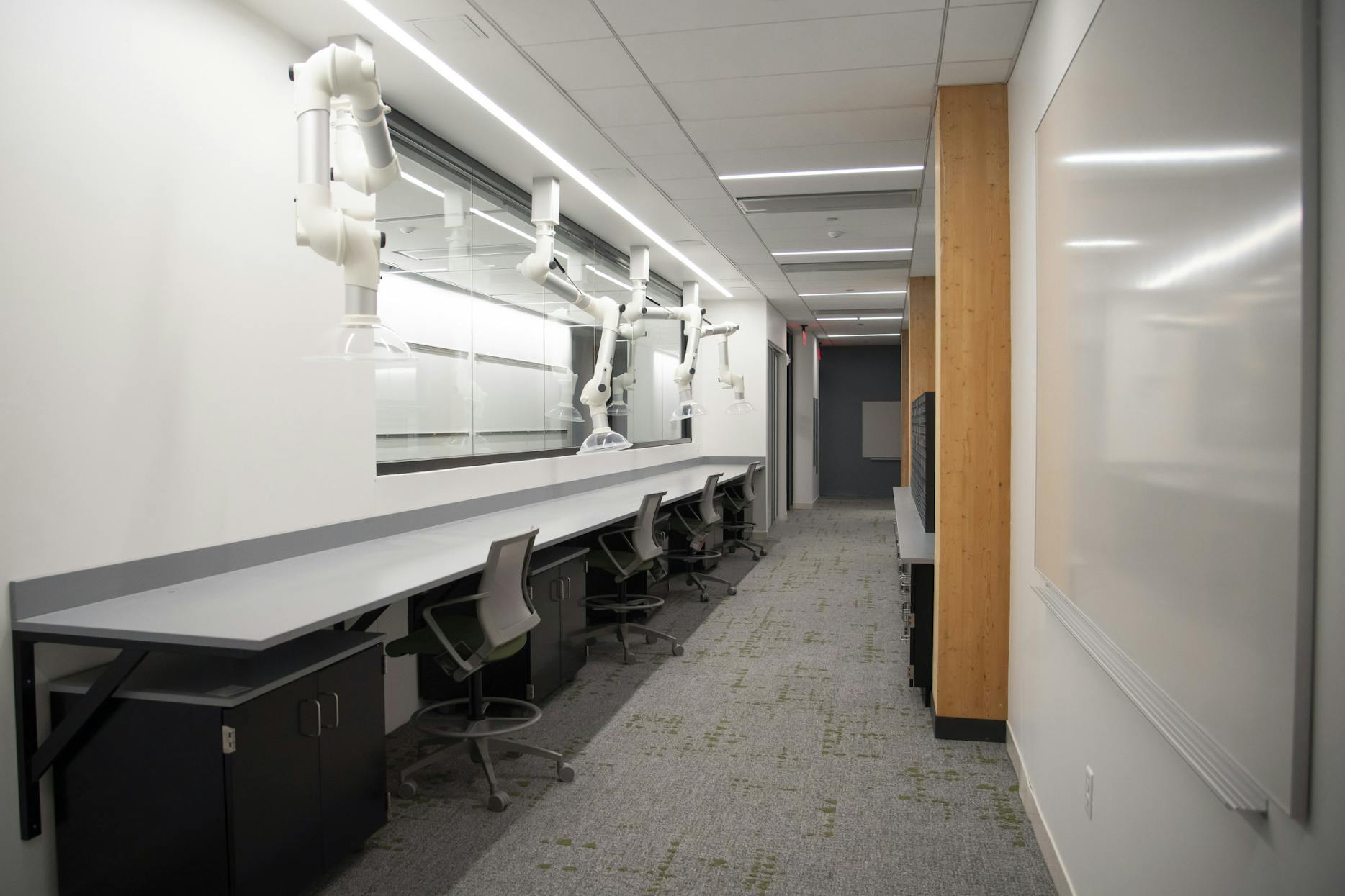
The building’s second floor is home to many laboratories, including a larger version of Detkin Lab, an Electrical and Systems Engineering laboratory in the Moore Building. Kumar said the lab “could be used for soldering circuit boards, assembling components,” and other testing.
When creating research and study spaces, Gutmann Hall took an ample amount of student input.
“I think spaces were important to students,” Kumar said, “and I think we managed to capture what they wanted. So, in order of importance, they wanted spaces where they could collaborate. They wanted private spaces where they could do their own work while being in a public place … And the third thing is, they liked the idea of having wide open, flexible spaces."
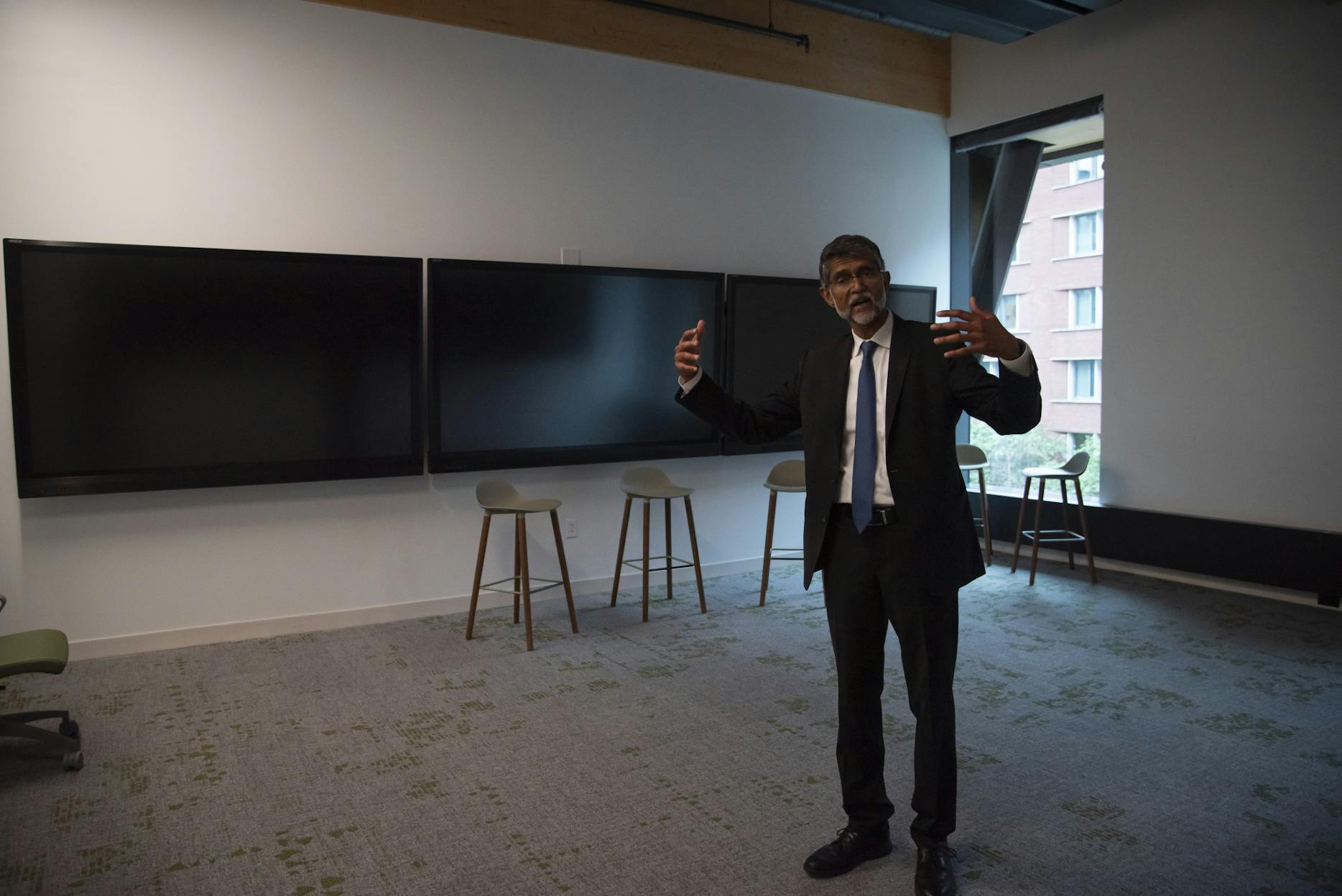
In building for the future, the hall also includes hybrid and online learning classrooms.
“We want to make sure that we develop the most flexible environment to teach. So, here you can imagine that most of the audience is remote,” Kumar said. “[David Rittenhouse Laboratory] is the exact opposite of this. Anyway, there's nothing that prevents us from pulling in tables and having students in classes, small classes, but the bulk of the audience could be remote.”
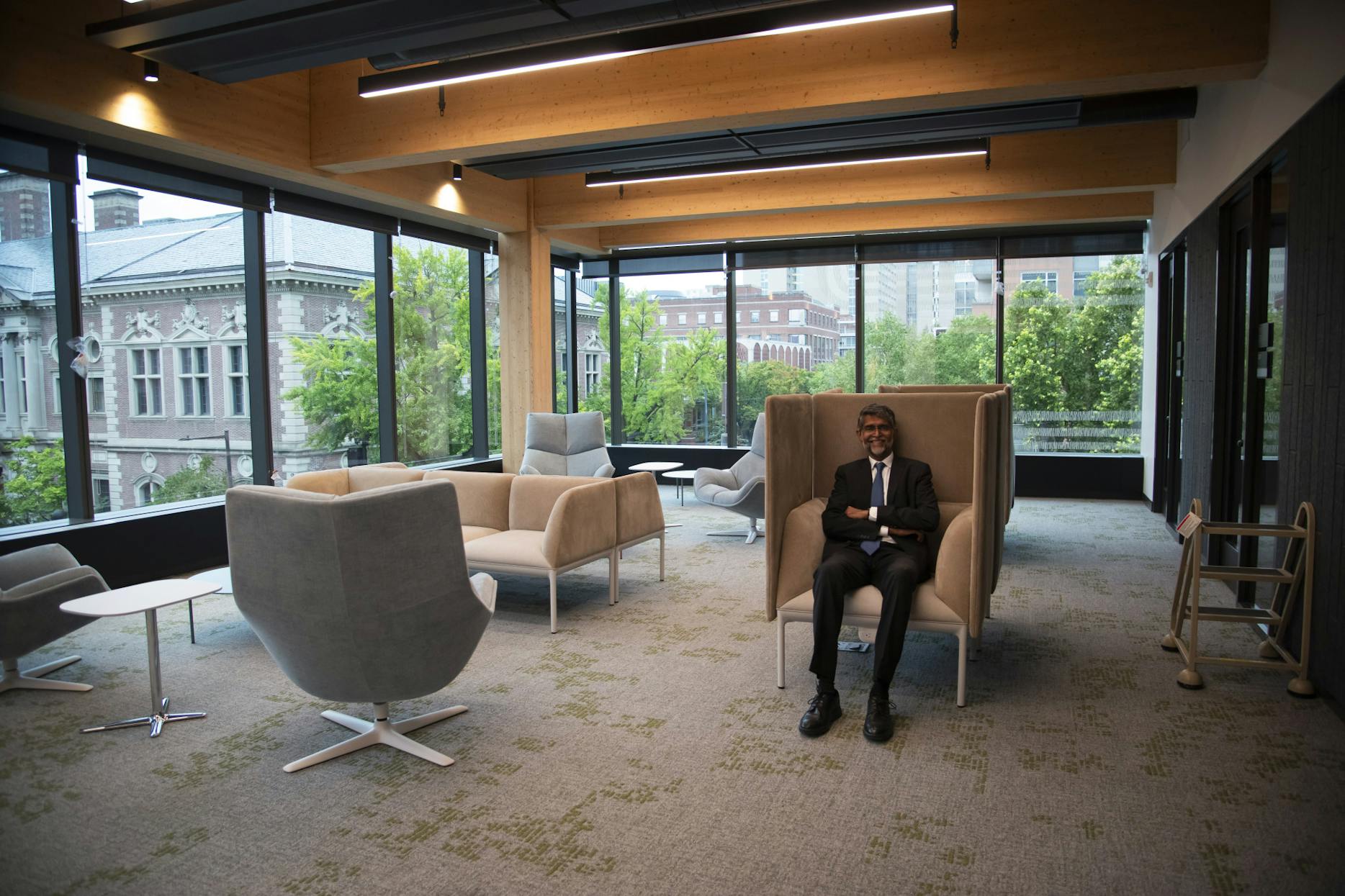
On the third floor, the David and Robyn Quattrone Student Commons provide a comfortable study area with a view of the city. The Data Science Hub, as well as centers focusing on “computer vision, using data sets, cybersecurity, and health” are also there, serving as collaboration spaces.
The fourth to sixth floors of Gutmann Hall are laboratory and research spaces.
“The sixth floor is about [artificial intelligence] and Health,” Kumar said. “The fifth floor is about core machine learning systems, the algorithms, large scale data sets, which track information. And the fourth floor is about how AI could be used by society. So, building AI that's trustworthy, that's explainable.”
These “neighborhoods” feature standing desks and monitors, as well as “phone booths” for people to work in. Student input was also taken into account when designing these research centers.
“Obviously, faculty are involved in research but the research is done by students,” Kumar said.
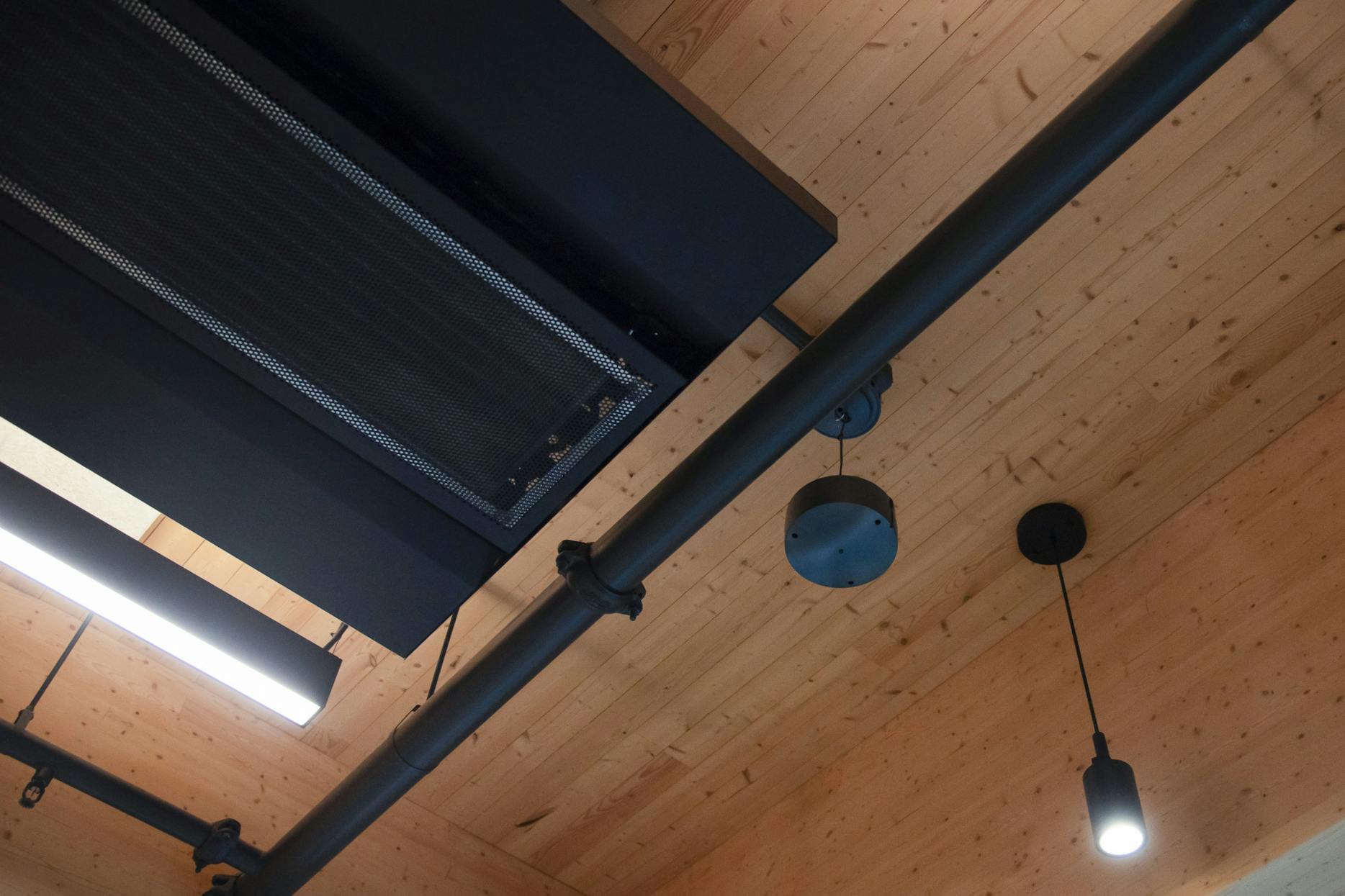
In larger rooms, the Engineering School also installed white noise generators and acoustic paneling to help with active noise cancellation.
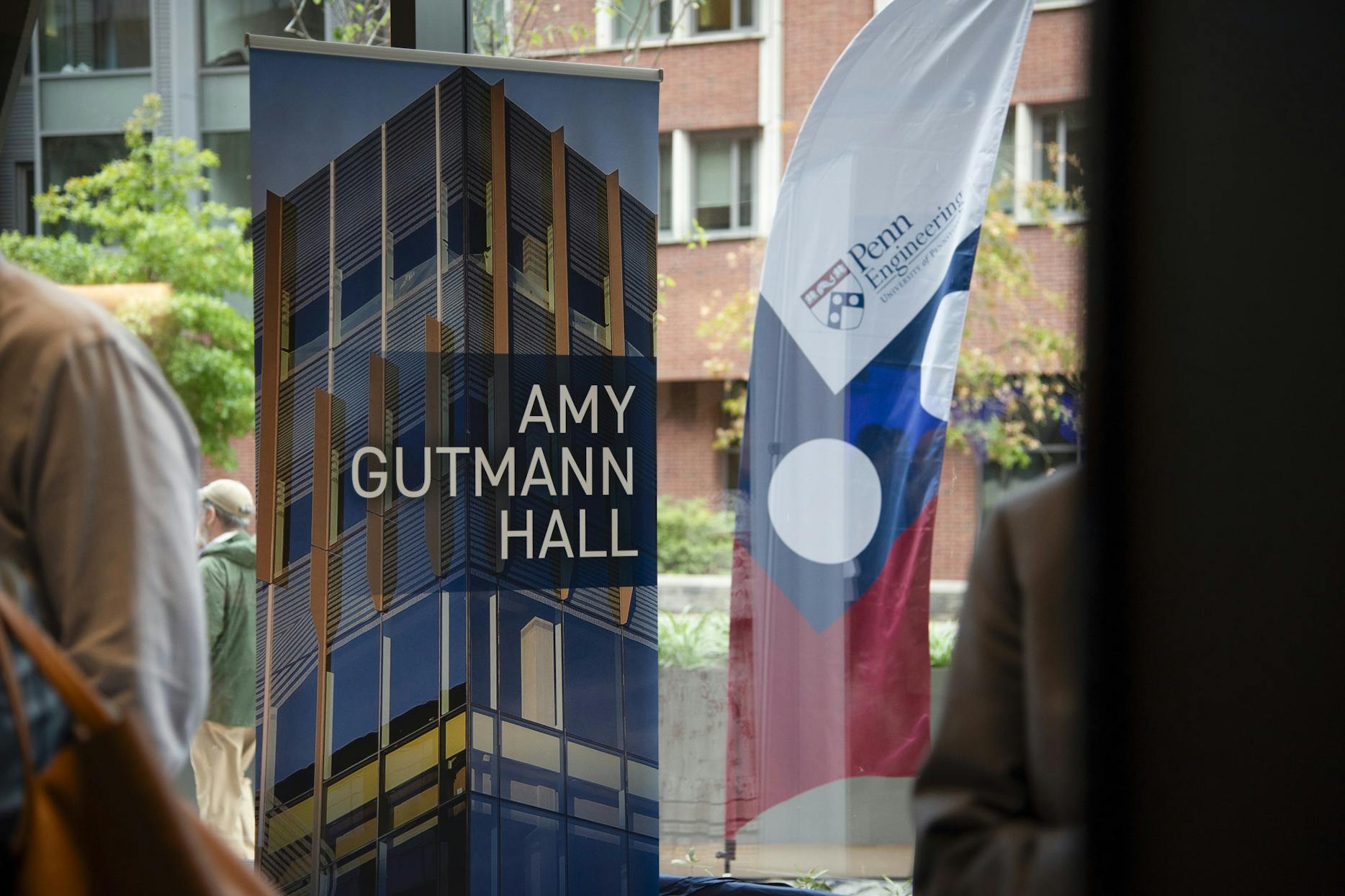
From serving as the new home for data science and AI to hosting a multitude of diverse research centers, the $137 million project aims to foster crossdisciplinary research and increase the accessibility of data science and AI education for the the wider Penn and Philadelphia communities.