Ask any sports fan where this past year's NCAA men's basketball Final Four was held and most will know that it was in San Antonio, Texas.
But ask even the most studious of spectators which school was the NCAA host institution for the Final Four, and few if any will know the right answer (It's University of Texas at San Antonio of course).
This is the unfortunately reality for most schools that host large NCAA championship games off their own campus. While the city receives lots of publicity, the host school rarely gets the desired recognition that comes with hosting a popular sporting event.
Unfortunately, when the NCAA Men's Lacrosse Championships come to Philadelphia's Lincoln Financial Field next year, Penn will most likely be lost in the shuffle.
The millions of fans around the country who will be watching the games on ESPN and ESPN2 will see the Linc and think of the Eagles, not the Quakers. And for a school much in need of some national exposure, it's a shame that Penn will be overlooked by these fans.
Certainly these lacrosse games will pay dividends for Philadelphia.
The Philadelphia Sports Congress, a group which tries to attract major sporting events and conventions to the City of Brotherly Love, estimates that the economic impact of this NCAA championship could bring $25 million into the city. This is most likely a pie in the sky estimate, considering that last year's lacrosse championships at Baltimore's M&T; Bank Stadium was concluded to rack up only a $9 million economic impact.
Similar to this past fall's Women's World Cup, expect a busy night life on Broad Street next spring. Typical lacrosse fans tend to be rather wealthy, making them the perfect demographic to spend money at the city's hotels and restaurants.
The event could also help to introduce local kids to the sport of lacrosse. It's a fun game to watch, with a lot of scoring and checking. Maybe one day Philadelphia will rival Maryland in its love for the national sport of Canada.
But don't expect most of those fans to travel across the Schuylkill River.
One of this year's host institutions, Johns Hopkins, saw significant gains from bringing the lacrosse championships to Baltimore. After all, Hopkins is the home to the Lacrosse Hall of Fame and Museum. Therefore, it made perfect financial sense for the school to want to bring in tens of thousands of lacrosse fans.
Also, several Maryland schools are perennial contenders for the NCAA title. Maybe they thought it was worth hosting the championship to provide a home field advantage. While Penn's team is drastically improving, an NCAA championship is not in its immediate future.
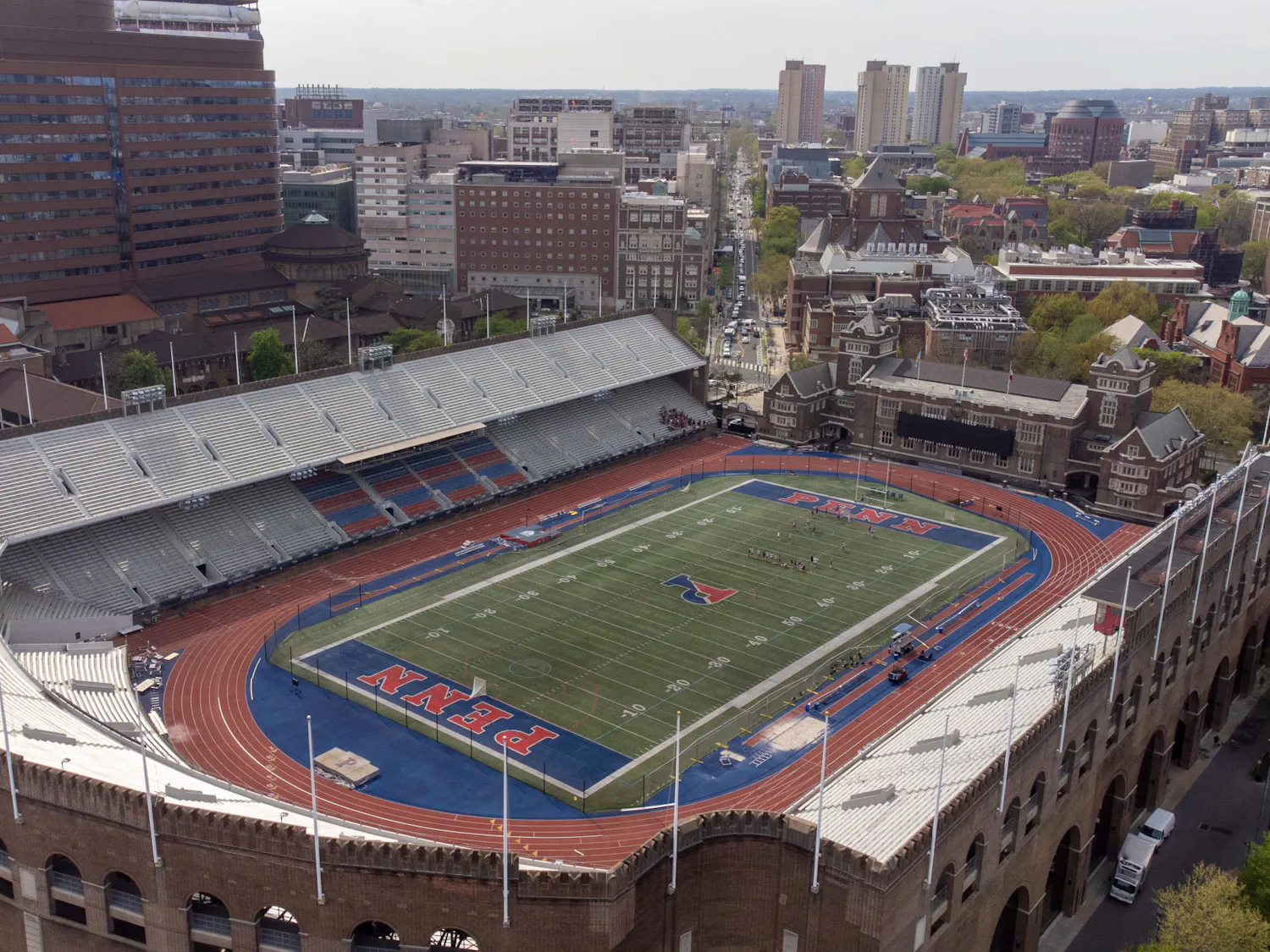
It's unfortunate that Penn could not hold the championships at Franklin Field. This would certainly attract both the publicity and tourists Penn desires.
In fact, Franklin Field has already hosted the lacrosse championship twice, in 1973 and 1992. While the popularity of the sport has certainly grown since Penn last hosted the event, the school is certainly capable of handling large amounts of spectators.
While the lacrosse championships draw more fans than any other NCAA event, with the exception of March Madness, the amount of fans is less than half than the almost 113,000 who attended this year's Penn Relays.
It would have been nice to see Franklin Field full of fans for more than one day a year.
By any other means, however, Lincoln Financial is certainly a better venue. It has better sightlines, better concessions, and, of course, it has luxury boxes.
While I suspect the impact of the event on Penn will be minimal, I must commend Penn Athletics on bringing the championships to Philadelphia. I certainly will be in attendance, and there is no denying that Penn's efforts will help the city at large.
It's just a shame that the people who will be doing most of the work won't get their time in the spotlight.