Many remember college as the best years of their lives. And according to a recent study, more and more students are extending their college experience, as the national four-year graduation rate has seen a decline.
A national study released by the University of California at Los Angeles' Higher Education Research Institute showed that of those students who entered college as freshmen in 1994, only 36.4 percent received bachelor's degrees four years later. About 59 percent graduated within six years.
A decade ago, the four-year degree completion rate was about 40 percent. In the late 1960s, about 47 percent of college students graduated within four years.
According to the study, degree completion rates vary substantially based on the type of institution.
"There are some institutions with four-year completion rates as high as 70 and 80 percent," said Leticia Oseguera, a research analyst at UCLA.
The colleges with higher percentages of students graduating within four years tended to be elite liberal arts colleges, while those institutions with the lowest rates were usually public universities, according to Oseguera.
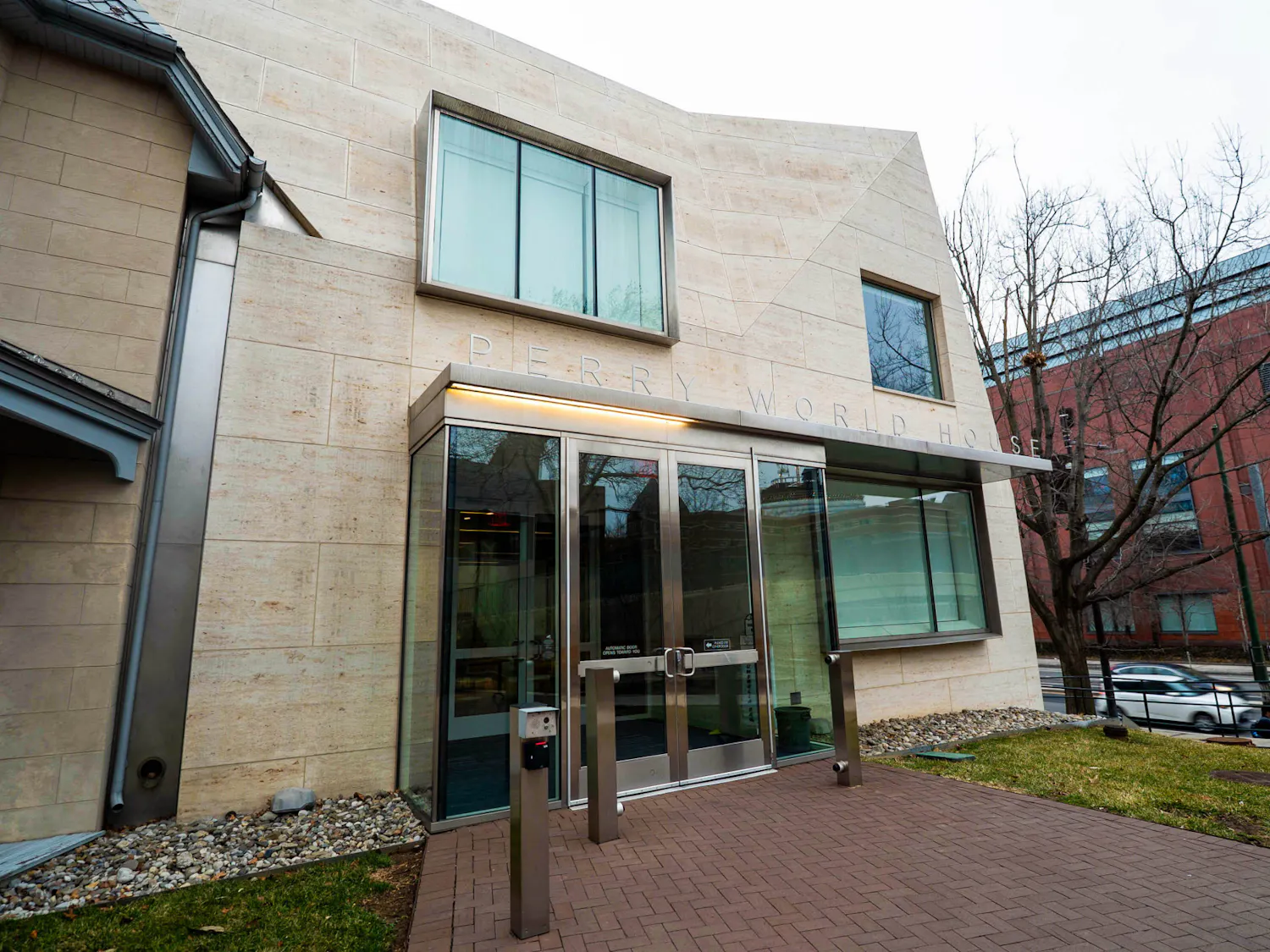
At Penn, the four-year graduation rate for the cohort entering as freshmen in 1998 was nearly 81 percent, according to Bernard Lentz, director of Penn's institutional research and analysis.
This figure shows an increase over the 74 percent graduation rate for students who entered Penn in 1993.
"Those institutions with high rates enroll students who are overachievers, who were valedictorians of their high schools and who have consistently excelled in school," Oseguera said.
The study showed that private institutions of all types had consistently higher rates than public institutions, some of which had four-year completion rates in the teens or below.
There are many explanations for why students are taking longer to complete college degrees.
"College students are working more, which causes them to take lighter course loads, and prolonging time to degree," Oseguera said.
"Based on the research, public universities tend to admit less well-prepared students who come in with B and C averages and must make a bigger adjustment to college curricula," Oseguera said.
"Also, public colleges tend to be over-enrolled, which makes it difficult for students to secure all of the classes they may need to graduate, and this may push them back another semester or quarter," she added. "Students in public schools also may not have enough contact with faculty, and the schools may not have enough resources to reach out to those students who may need guidance."
The Higher Education Research Institute plans to follow up on this study again in five years. According to Oseguera, given the rise in the number of students entering college and continued budget cuts, degree completion rates are likely to see further declines at many institutions.