While many students were enjoying a warm Sunday afternoon on the grounds of campus, Penn Speaks for Autism held their first event in Houston Hall to raise awareness for April as Autism Awareness Month.
Penn Speaks for Autism was founded last September by current Co-Presidents and College sophomores Alison Lai and Michelle Fang. “We wanted to raise awareness about autism and show what Penn students can do for people with autism,” Fang said.
The guest speaker for the evening was Loretta Boronat, the founder of My Sibling Dolls and mother to autistic son, Danny. Boronat said it was a mixture of interests that led her to design, develop and eventually market the line of dolls, specifically targeting the siblings of autistic children.
Each doll represents a real person who has had experience dealing with autistic brothers or sisters and comes with their own personalized story booklet. Boronat’s first doll, April, was based off her own daughter’s experience dealing with her autistic brother.
“We really need to reach people starting when they’re really, really young. Children really need to know about [autistic] children so they will not be afraid. This will allow them to later be peer mentors for them,” Boronat said.
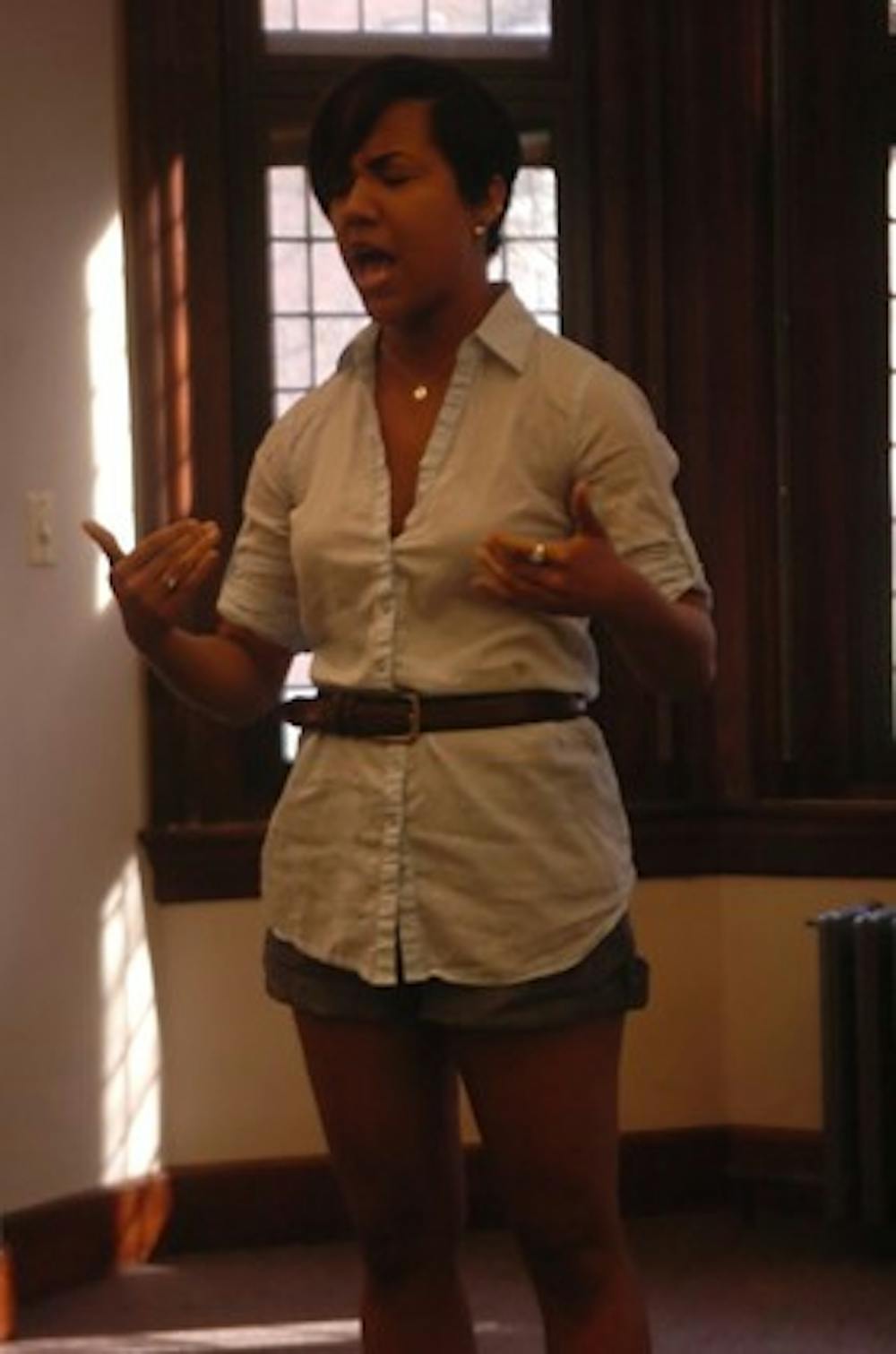
The event also included a special performance from Penn’s spoken word performance group, Excelano Project.
With regard to the Boronat’s presentation, Excelano Project member and college senior Joshua Bennett said, “It was incredible. As the older sibling of an autistic brother, it was inspiring to know that there are programs that exist out there for him.”
Many other attendees at the event have had similar previous experiences dealing with autism, whether having an autistic family member or having worked with autistic individuals.
“I came due to my interest in autism from my previous volunteer experiences from home,” College sophomore Laura Steel said. “[The presentation] made me think of the sibling perspective that society rarely focuses on.”
This summer, Penn Speaks for Autism plans to pilot a volunteer program to spread awareness of autism and provide assistance in local schools.
As Lai concluded, “One person can do a lot. Whether it’s the small ways to help people with autism or even what you can do for just one person.”