

For the 2 to 3 percent of students who seek the help of Counseling and Psychological Services at Penn and are diagnosed with bipolar disorder, the illness is not something to ignore.
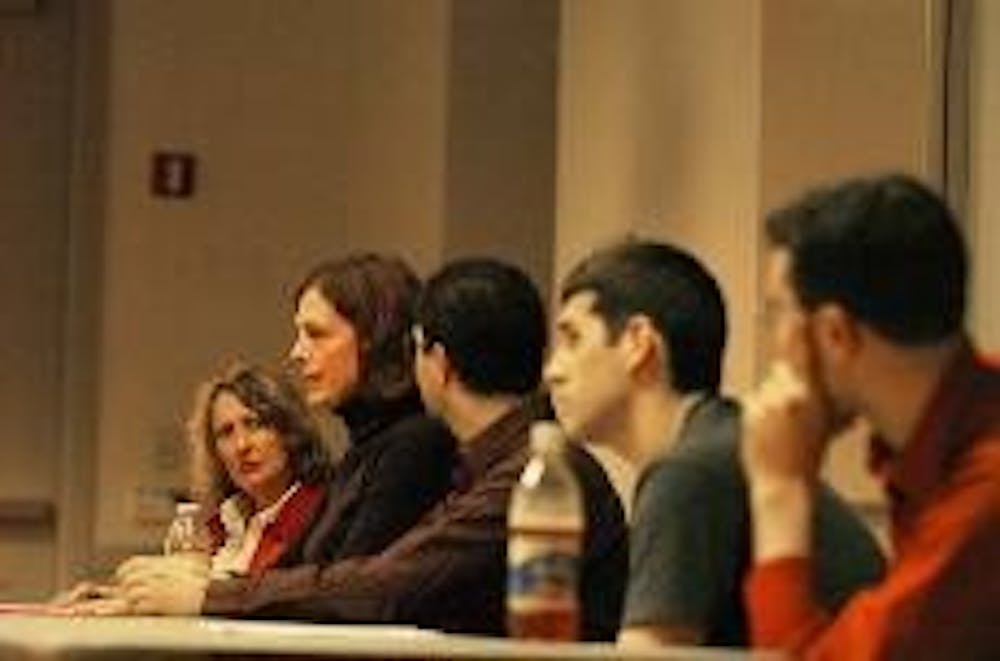
A panel discussion about the disorder, held in Logan Hall last night before an audience of around 60, sought to dispel common myths surrounding it.
People are commonly diagnosed with bipolar disorder, formerly known as manic depression, in their early 20s - in other words, during their college years.
Although the disorder involves bouts of both mania and depression, Psychiatry professor Louis Littman pointed out that the "depressive part is often overlooked."
However, the depressive bouts are often what impels people to seek help, he said.
One of the most troubling symptoms of bipolar disorder is suicidal thoughts, and there is a very high rate of suicide among sufferers, Littman said.
Those with bipolar disorder may also suffer from insomnia.
Although this may seem like a benefit for the undergraduate with a jam-packed schedule, Littman said that "if you are not sleeping, you have lots of energy," which can lead to a "lack of insight."
"You lose insight into interconnections with people," Littman added.
Bipolar disorder is treatable, but there is a downside to current treatments, Littman said, adding that the commonly prescribed drugs need intense management because of potentially severe side effects.
Wharton senior and panelist Dan Berstein said he had his first manic experience last fall.
He described a state of "thinking a thousand things" but being unable to convey those thoughts.
Although Berstein said it was difficult to reintegrate into Penn after being diagnosed and going on academic leave, being open about the disorder helped.
"It's a disability, not a crime or a fault," Berstein said.
Littman said that having bipolar disorder need not keep a person from being successful in life.
"Illness like this can cause delays in what you want to do. It should not prevent you" from doing them, Littman said.
Keri Wong, a College freshman who attended the event, said the discussion complemented a course she's currently taking.
"It was insightful because you wouldn't normally learn this from a textbook," she said.

