Livingston Johnson is going back to high school. The third-year Law student is fulfilling the Law School's public service requirement by teaching high school seniors at Bertram Human Services School at 42nd and Ludlow streets. University Law students must devote 35 hours of unpaid public service work in both their second and third years. Johnson teaches what Law School Public Service Director Judith Bernstein-Baker calls "street law" -- law and its everyday practical applications. Teaching allows Johnson to both fulfill a graduation requirement and do something he finds rewarding. "I like it [although] sometimes I don't think the periods are long enough to make the impact we want to make," he said. He added that even if he does not succeed in getting all of his lesson points across, he still considers it worthwhile if he gets the students thinking or helps to provide a positive role model. According to Bernstein-Baker, roughly 31 University law students are doing their public service by teaching. The Law School became the second in the nation to require public service of its law students in 1990. Now, Bernstein-Baker said, 21 law schools across the country have a similar requirement. Bernstein-Baker said that by adopting the requirement, the Law School allows students to begin the process of pro bono public service -- which is urged for all lawyers -- while still in Law School. Third-year Law student Jose Bietatorremendia, who teaches seventh- and eighth-graders at Roberto Clemente Middle School, said the difference between teaching to fulfill his requirement and doing something else is similar to what students do when they register for their classes. "You could pick a gut or you could pick something you'd really learn from," he said. "It's the same with this program." Third-year Law student Ingrid Mesa, who also teaches at Clemente, said while the benefits of teaching are often intangible, they can be very real. "To have a few kids come up to you and say, 'I really learned something,' or 'I want to do what you do,' -- you can't put a price on that," she said. "If you can tell that a few students are learning something, it's worth it."
The Daily Pennsylvanian is an independent, student-run newspaper. Please consider making a donation to support the coverage that shapes the University. Your generosity ensures a future of strong journalism at Penn.
DonateMore Like This

A history of the Penn presidency
By
Aidan Shaughnessy
·
11 hours ago

No — AI will not wipe out humanity by 2030, Penn experts say
By
Addison Saji
·
11 hours ago

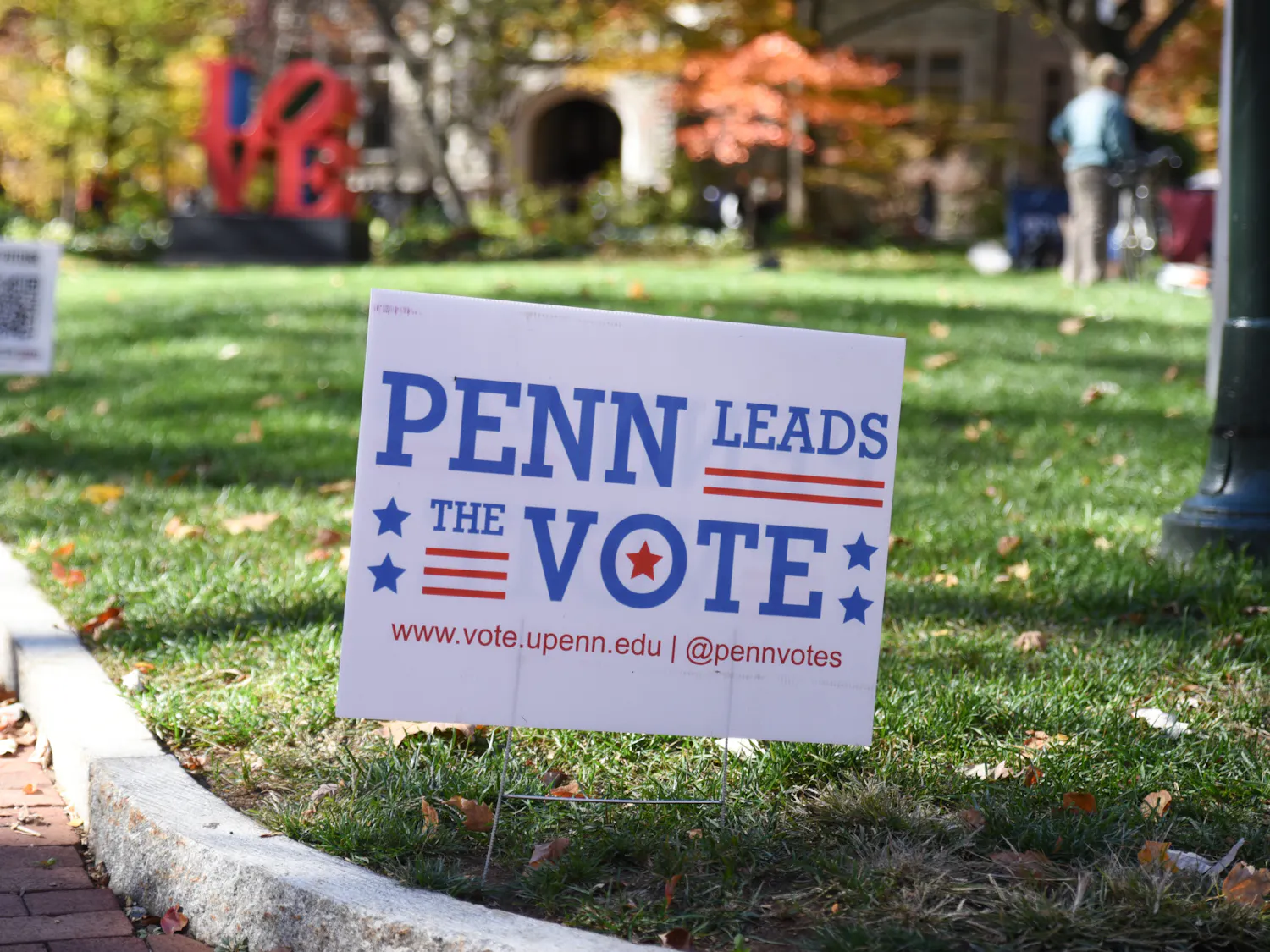
Penn student groups promote voter registration on Locust Walk
By
Mara Flores
·
11 hours ago