

By Sept. 14, full-time students will have to either buy the Penn Student Insurance Plan or show Penn that they have their own insurance.
Many will be covered by their parents' plans, but some - including graduate students and College of General Studies students - will have to start looking around now at their health care choices.
With so many options and consideration, shopping for health insurance can be arduous. For men between the ages of 19 and 29, there are many options out there in addition to the PSIP. And they might even save you some money.
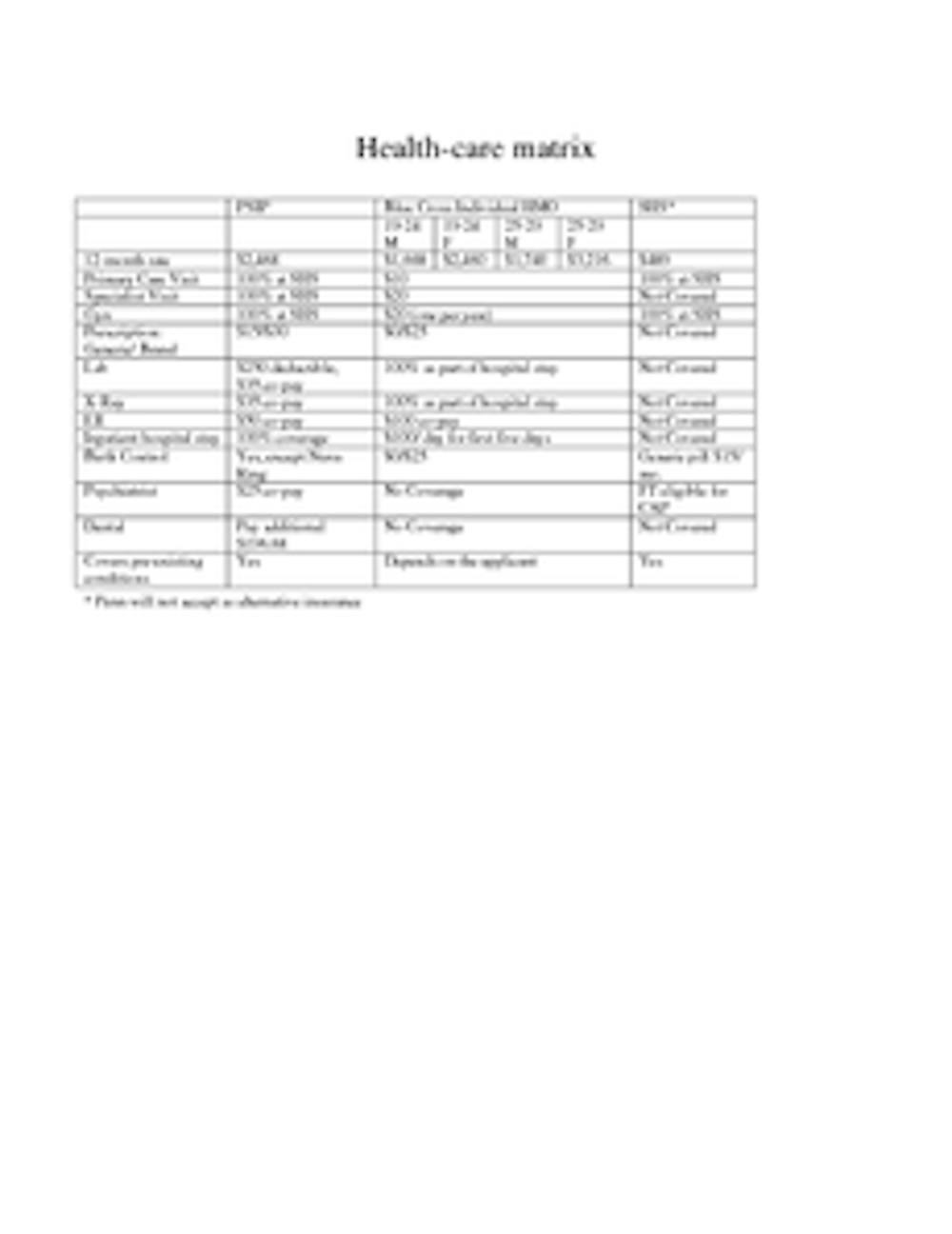
Men save at least $700 if they purchase the Blue Cross Individual HMO. The prices listed on the accompanying chart are for the most expensive of Blue Cross' three individual plans.
Unless a woman is committed to using the Nuva Ring, PSIP offers the least expensive coverage. Even the cheapest Blue Cross plan is not cheaper than the PSIP.
Blue Cross also has a student emergency insurance plan, not listed in the table. It is cheap - $1,512 - but Penn does not accept it as alternative insurance because it does not cover outpatient medical expenses or pre-existing conditions.
The PSIP does not have dental included, but for less that $200 per year, students can purchase nearly unlimited care at Penn's Dental School.
Most of the doctors in the Dental program have already been dentists for years in their native countries, and the co-pay is $5 per visit.
Part-time students who are not required to purchase insurance and are not on any prescription medicines may find it beneficial to pay the student health fee to have access to the Student Health Service, or to pay nothing and utilize the free clinics provided by the city. Philadelphia is the only major U.S. city with its own municipally funded network of health clinics.
Penn has required undergraduates to carry health insurance since the early 1980s.
"The University wants to give students protection against catastrophic financial loss that could interrupt their studies," said Max King, associate vice provost for the Vice Provost for University Life. "We want to remove any barriers students might have to getting the medical care they need, so they can focus on what they are here to do."
Penn students are automatically signed up to the PSIP if they fail to submit a waiver to the health insurance office, and some students say they have not thoroughly looked into their options.
"I just have the Penn thing," College sophomore Sophian Bensaou said. "I don't really know how I like it - I've used it maybe once."
Before deciding which insurance to buy, each student should carefully read through the insurer's brochures. There are also other insurance options, not included here, so be sure to research all options before deciding on a plan that's right.
But for students involved in crimes, beware: You may be on your own.
Neither PSIP nor Blue Cross Individual HMO will cover injuries sustained during the commission of a felony.
Blue Cross will also decline to pay bills associated with injuries sustained while under the influence of narcotics not prescribed by a doctor, and PSIP will not pay for injuries sustained while participating in a riot.
